Cancel culture—the practice of withdrawing support from individuals or companies who have done or said something offensive—can be helpful in making social change. Canceling someone for an unforgivable action can be an effective way to hold people accountable for their actions and combat inequality, such as sexism and racism. The cancellation of public figures like Louis C.K. and J.K. Rowling is part of a larger movement to stop sexual harassment and transphobia.
But when it comes to teenage cancel culture, the negative mental health effects outweigh the positives. Teens are still forming their identities and their beliefs. They need the chance to learn from their mistakes rather than being punished.
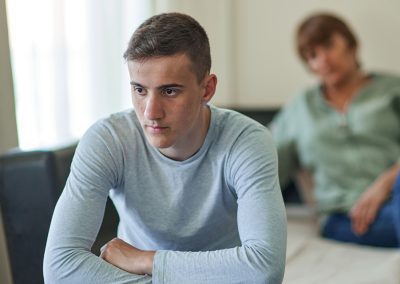
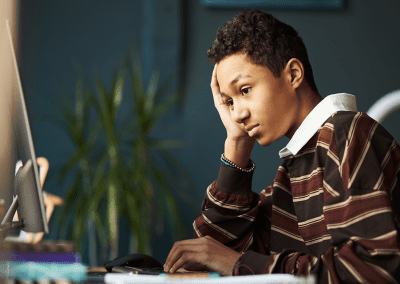
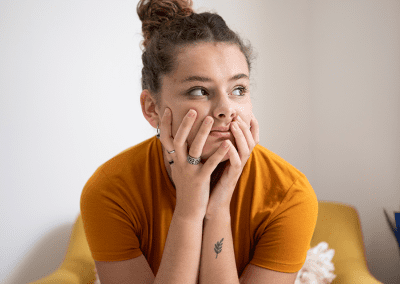
For many teens, getting canceled is the worst punishment imaginable. Rejection by their peer group is their biggest fear. That’s why there’s a link between cancel culture and mental health. Being canceled can lead to teen anxiety, depression, trauma, and suicidal thoughts and behavior.
Key Takeaways
- Canceling can sometimes be helpful in making social change. But teens are still forming their identities and their beliefs, so they need the chance to learn from their mistakes rather than being punished.
- The primary means of cancel culture among teens is through blocking, unfollowing, and/or verbally targeting them on social media platforms.
- Cancel culture is the practice of withdrawing support from individuals or companies who have done or said something offensive.
- Teens are particularly vulnerable to the negative mental health effects of being canceled. That’s because the regions of the brain involved in the social aspects of life are still maturing.
- Teenagers often experience traumatizing pain and shame when they’re canceled. The experience can catalyze depression, anxiety, and co-occurring disorders like substance use.
What Is Cancel Culture?
The term cancel culture gained traction in the 2010s as a method of holding people or brands accountable for their words and actions. Canceling happens via boycotts and public shaming, And sometimes this can be a powerful means of social justice.
For example, the “MeToo” movement shined a spotlight on sexual harassment and misconduct in the workplace. Hollywood elites, like Harvey Weinstein and Kevin Spacey, to CEOs and politicians were fired or faced legal actions as a result. A poll conducted five years later found that 70 percent of Americans “believe that the movement has made it more likely that people would be held accountable for workplace sexual harassment and assault.”
While cancellation automatically labels someone as bad and irredeemable, there is a slightly gentler “calling out” or “calling in.” In this way, the person becomes aware of the wrongdoing and has the opportunity to apologize, learn and do better moving forward.
Cancel Culture and Social Media
Cancel culture and social media go hand in hand: Cancel culture wouldn’t have gained nearly as much momentum over the past decade without social media. The primary means of canceling an entity or individual is through blocking, unfollowing, and/or verbally targeting them on social media platforms.
According to cancel culture statistics collected by the Pew Research Center, 58 percent of Americans believe that calling someone out on social media holds them accountable for their actions, while 38 percent believe it punishes people who don’t deserve it.
For some, it’s career ending. Ellen DeGeneres faced backlash after former employees called her out for fostering a toxic work environment on her daytime talk show. According to a New York Times report, the show lost million viewers after her public apology—a 43 percent decline. It went off the air in 2022.
Questions?
We know that reaching out can be difficult.
Our compassionate team of experts is here to help.
Call us at 877-929-5105
or complete the form below.
Teens and Cancel Culture
Social media gives teens a sense of connection with celebrities, and encourages them to mimic cancel culture behavior with peers. Much of teenage cancel culture takes place online, through comments and unfollows.
In teenage cancel culture, classmates or social media “friends” boycott a teen who says or does something problematic, like making racist or homophobic comments, telling a tasteless joke, or misgendering someone.
Teens also cancel each other for other reasons, such as being a toxic friend, being too needy or self-centered, or even watching the wrong shows or listening to the wrong music.
Cancel Culture and Teen Mental Health
Being called out by your peers can be a powerful learning and growing experience for teens. However, cancellation in high school isn’t just a teaching moment; it’s a harsh punishment and public shaming.
It is especially damaging because this age group is so sensitive to the opinions of their peers. A review of research on media and adolescent brain development found that teens are particularly vulnerable to social influences because the regions of the brain involved in the social aspects of life are still maturing.
Moreover, brain imaging studies show that social rejection literally hurts: It lights up the same parts of the adolescent brain that are activated by physical pain.
The Harmful Effects of Cancel Culture on Teens
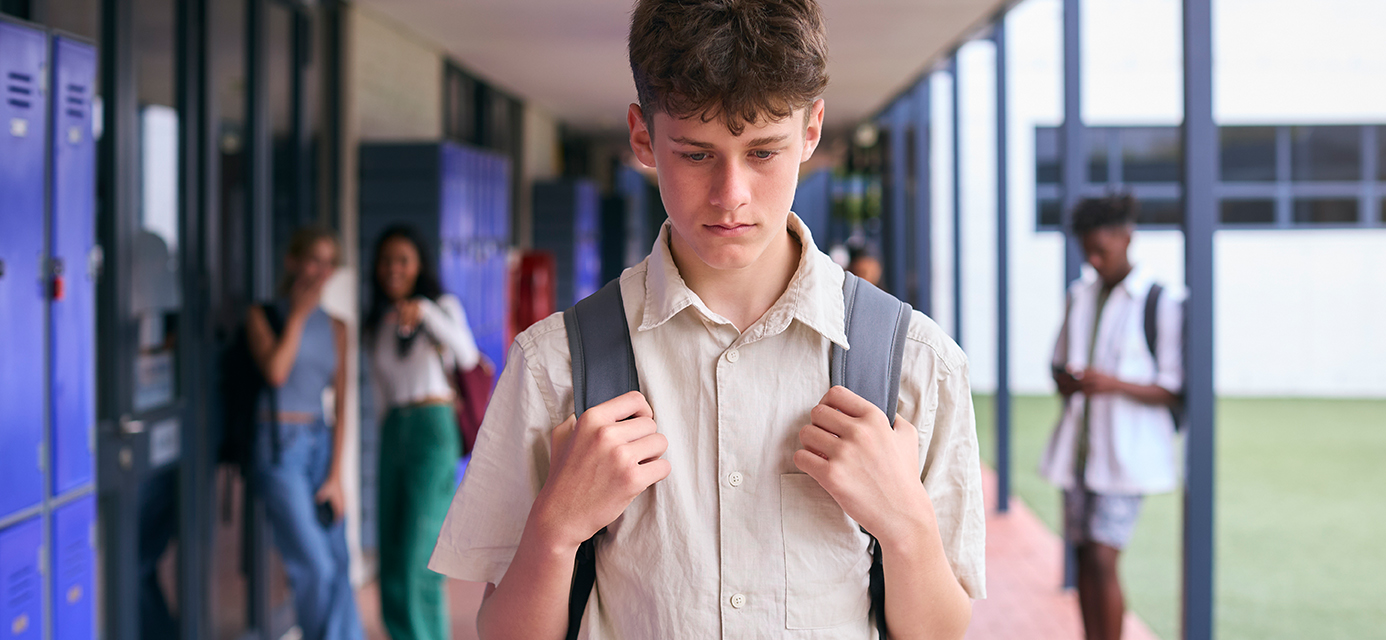
Being socially ostracized, at an age when peer connections are incredibly important, is devastating. Outside of social media, cancellation can also happen in real life, at school or in activities outside of school. Canceled teens are often left out, snubbed, bullied, ignored, and isolated.
Many therapists report treating teen clients who suffered from depression, anxiety, and suicidality for months after being canceled by peers. Teens who experience this may struggle for years to trust themselves, to trust others, and to feel a sense of belonging in a peer group.
‘Cancelers’ Are Impacted, Too
The harmful effects of cancel culture also extend to the cancelers and the bystanders. Teens who cancel others may do so because they have strong moral convictions, and that’s a good thing. But teenage cancel culture gives them permission to bypass empathy and forgiveness in favor of being right.
Rather than learning to have debates about topics they disagree on, cancelers simply shut out those they deem wrong. As for the teens on the sidelines, they often suffer from anxiety and fear that they will be next, and/or guilt about not standing up for someone who was harshly canceled.
“The instant nature of social media means that very large, complicated social issues get condensed into one sentence, one minute for TikTok [videos] or just a photo on Instagram. Everything is becoming very succinct, and it both discourages nuanced discussion and encourages all-or-nothing stances. Cancel culture is ‘You’re all good, or you’re all bad,’ and human nature is much more complicated than that,” said Amanda Koontz, UCF Associate Professor of Sociology, University of Central Florida.
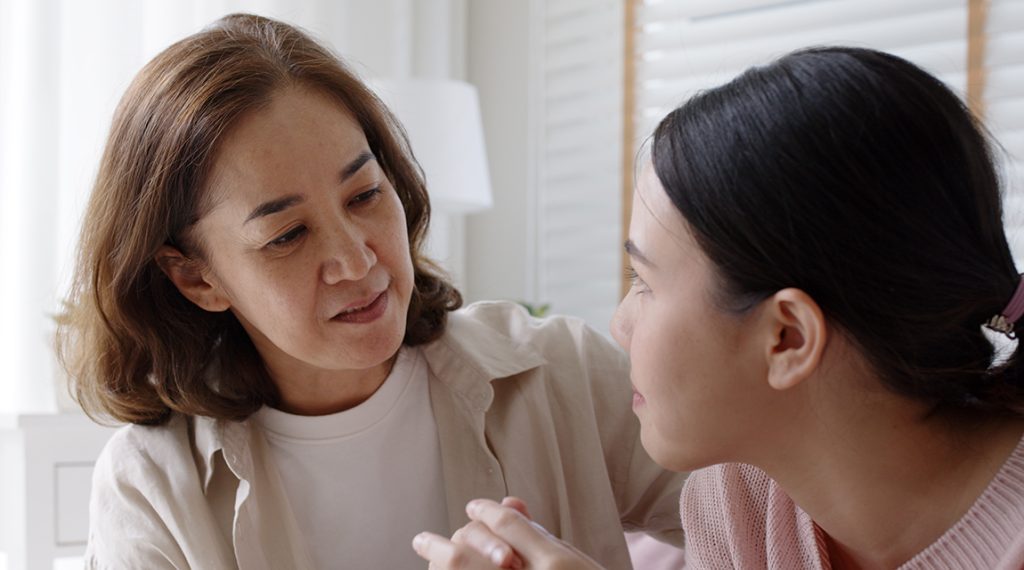
5 Ways Parents Can Help Kids Navigate Teenage Cancel Culture
It’s important for parents to have conversations with teens about cancel culture and mental health. Here are some tips for parents to help prevent the harmful effects of cancel culture.
Help young people understand the consequences of teenage cancel culture.
Cancel culture can be bullying or cyberbullying if it is used in a way that shames and ostracizes a classmate. That’s true even if someone who has done something offensive. Talk to them about the importance of understanding what others feel and think, even if you don’t agree with them.
Validate teens’ emotions about cancel culture, whether it involves classmates or celebrities.
Even if the issues don’t seem serious to you, recognize how meaningful they might be to teens. Encourage open discussion about cancellation and how it affects people on all sides of the issue.
Teach teens what Don Grant, PhD, Director of Outpatient Services for Newport Academy, calls “good digital citizenship.”
That means thinking twice before posting on social media. Also avoid engagement when you’re feeling emotional. Consider limiting the amount of time teens spend on social media.
For teens who are canceling others, try to get to what’s under this behavior.
Do they feel like canceling people is the only way they can keep friends or be a leader? Has canceling become an unhealthy way for them to boost their self-esteem? Explore more effective ways that they can share their beliefs and values.
If your teen gets “canceled,” don’t judge them for their actions.
Use this as an opportunity to discuss it, and help them see why what they said or did was hurtful. Acknowledge and sympathize with their pain, and equip them with some approaches for resolving conflict or apologizing. If the cancellation continues, help your teen find positive connections elsewhere. Additionally, make sure they receive mental health support if needed.
Treatment for the Harmful Effects of Cancel Culture
It’s traumatic to experience the pain and shame of being canceled, in addition to the loneliness and isolation of being ostracized, can be traumatizing. The experience can catalyze depression, anxiety, and co-occurring disorders like substance use.
Treatment helps to heal these wounds and supports teens to rebuild self-esteem and authentic connections. At Newport Academy, teens create strong, trusting relationships with peers and discover that they are not alone in their experiences. Teens can discuss topics like cancel culture and mental health in a caring and compassionate environment, with the support of clinicians who specialize in treating young people.
Contact us today to find out more about our philosophy of care and our industry-leading outcomes.
Sources:
Nature Commun. 2018 Feb; 9 (1): 588. doi: 10.1038.
Proc Natl Acad Sci U S A. 2011 Apr; 108 (15): 6270–5.