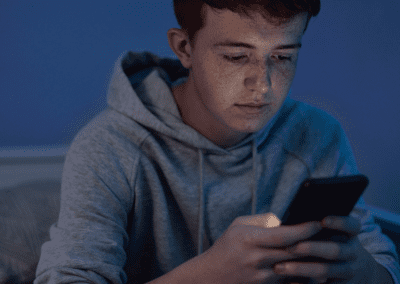
Adolescence is all about learning, self-exploration, connection, and growth. Teens are constantly integrating new information about themselves and the world around them. To some degree, the process of gaining life skills happens naturally as teens absorb information and have more experiences.
However, parents can help their teens prepare for the outside world by supporting them to learn basic skills and tools. In this article, we’ll focus on five sets of skills that are important for a developing teen to learn and practice. These life skills will help teens build personal accountability, boost mental health, and feel more competent and self-confident.
Key Takeaways
- Life skills are crucial for helping teens prepare to become responsible, healthy members of society.
- Important life skills for teens include emotional regulation, basic cooking skills, organization, and active listening.
- Parents and other mentors can help teens develop life skills by modeling behaviors, encouraging their strengths, and addressing underlying mental health issues.
- Therapy can help teens create stronger bonds with family and peers, gain positive coping strategies, and build life skills for a successful future.
What Teen Life Skills Are Most Important?
Many of the skills teens need to learn in order to succeed and be happy throughout their lives come with time and experience. Often, they don’t need to be rushed or forced. Teens’ brains aren’t fully developed yet, and many nuanced life skills will develop on their own as they mature into young adults.
However, parents can help their adolescents with the learning process, and give them opportunities to practice skills. Teens with neurodiversity and those who have chronic mental health issues, such as depression or anxiety, may need additional support to gain essential life skills.
Here are the five most important types of life skills for teens.
#1: Life Skills for Coping with Stress
Learning how to cope with stress and difficult emotions is paramount for a teen’s mental and physical health. Adolescence is an extremely challenging time. Teens undergo major changes as they learn about themselves in the context of the larger world. Teen brains are still developing, and skills like emotional regulation aren’t fully online yet.
In addition, adolescents are navigating new social dynamics, friendships, anxiety at school, and home life challenges. They’re also worried about bigger problems, like gun violence, racism, politics, and climate change. Social media is an easy and distracting coping tool to reach for, but for the most part, the apps leave teens feeling more depressed and anxious.
Teen levels of sadness, depression and anxiety are on the rise. Nearly 50 percent of LGBTQ youth, and 1 in 3 girls, strongly considered suicide in the last year. Many teens are seeking help, too. More than 70% of public schools have noticed an increase in students seeking mental health support since 2020.
Positive stress-management tools will help teens more effectively navigate life challenges and improve overall well-being. Below are life skill ideas to help your teen cope with daily life stressors.
Emotional regulation
Emotional regulation is the practice of identifying, expressing, and navigating complex emotions in oneself and others. This skill involves learning to respond productively to a strong emotion, rather than react blindly to it.
Parents and mentors can help teens improve their emotional regulation skills by encouraging them to separate their thoughts from their identity, acknowledge and label their emotions, cope with difficult emotions like anger and anxiety, and build skills to calm their nervous system.
Questions?
We know that reaching out can be difficult.
Our compassionate team of experts is here to help.
Call us at 877-929-5105
or complete the form below.
Resilience
Resilience in teens refers to the capacity to rebound from difficult situations and roadblocks. The connection between resilience and mental health is clear: Children and teens with greater levels of resilience report higher levels of overall well-being and fewer symptoms of mental health issues.
Here’s how to help teens build resilience:
- Encourage open communication. Foster a safe space for your child to express their emotions, feelings, and challenges. Remind them that their feelings are valid and okay, and avoid the urge to try to “fix” their difficult emotions. Instead, show them they can trust and rely on you to hear their concerns in a safe and nonreactive way.
- Listen. When a teen tries to tell you something, pay attention. They may be reaching out for practical help or an empathetic ear. Ask them questions about how they’re feeling, and listen to the answers without an agenda. The time to intervene is when they specifically ask you for solutions, or if you think they may be at risk for violence, self-harm, or suicide. Issues like these need to be taken seriously and require immediate therapeutic intervention.
- Provide helpful coping tools. Introduce and model concepts like mindfulness and breathing. Help them understand that their thoughts are not who they are, and teach them to name and acknowledge their different emotions. These are basic but powerful tools that go a long way in combating shame, anxiety, and depression.
- Acknowledge their strengths. Teens often need help remembering they are worthy and deserving of compassion from others and themselves. Remind your child of the wonderful parts about them, including things they may see as weaknesses, such as sensitivity. Teens who value and accept themselves are more likely to navigate future challenges with success.
- Integrate healthy habits into family life. Building healthy habits for the whole family can look like providing nourishing food for your teen’s developing brain, taking cooking or art classes together, or spending more time in nature.
- Embrace failure. Teach teens that failure is a normal and expected part of being human. This can help them develop healthy attitudes around effort and vulnerability. Sure, succeeding on the first try feels great. But it’s rare. Research shows that people who shut down or stop trying after a failure are much less likely to find contentment and success in life. Help teens understand that their efforts and intentions are brave and worthwhile—and much more important than the results.
Self-compassion
Self-compassion is the practice of acknowledging your own struggles without judgment or criticism, but instead with unconditional positive regard. Teens with higher levels of self-compassion have lower levels of depression and other mental health issues. Self-compassion also increases outward kindness, empathy, and a willingness to listen to differing perspectives.
Here are some ways to help teens develop self-compassion:
- Allow them to freely express a full range of emotions
- Listen to them without judgment or agenda
- Model kind self-talk
- Help them unpack shame and feelings of unworthiness, which block self-compassion
#2: Relationship Skills
Developing healthy and authentic relationships is a crucial aspect of mental health at any age. Relationship skills can take a long time to develop, and many of these life skills require self-awareness and trial and error. Supporting teens with basic skills like communication, active listening, and empathy will help them foster positive romantic relationships and close friendships.
The following skills are helpful for teens in cultivating caring and reciprocal relationships with family, friends, and romantic partners.
- Listening skills: Being a good listener is simple in theory, but in practice is one of the more challenging relationship skills to learn. You can model active listening for your teen by avoiding judgment, paying full attention when they speak, expressing interest in what they say, and asking them questions. Modeling healthy behaviors like these helps encourage your teen to bring these skills to all the relationships in their lives.
- Effective communication: Help your teen learn to communicate by encouraging honest and direct expression, allowing for emotional vulnerability, and fostering a safe space for them to ask for what they need.
- Empathy: Developing empathy for others will help your teen have mutually respectful relationships throughout their life. Empathy includes a desire to understand other people’s points of view without judgment, even though they may differ from your own.
- Personal accountability: Learning to take accountability and apologize for causing hurt or pain helps improve trust and longevity in relationships.
- Healthy boundaries: Setting boundaries is crucial for helping teens feel safe and respected in relationships. Boundaries can be sexual, physical, emotional, time-based, and more.
- Mutual care: Learning to select friendships and relationships based on care, reciprocity, and mutual respect takes time. Teens sometimes get involved in toxic friendships as a result of their deep-seated need to fit in and belong with their peers. Parents can help them navigate this process by gently encouraging them to find supportive and loving relationships.

#3: Executive Functioning Skills
Executive functioning skills are controlled mainly by the frontal lobe of the brain and refer to a diverse group of skills involving planning and organization. Teen brains aren’t fully developed yet, and executive functioning is one of the last sets of skills to form.
This area of skills includes:
- Planning for the future
- Organization
- Time management
- Task management
- Emotional regulation
- Self-motivation
- Organization
- Focusing
- Multi-tasking
Helping your teen develop these life skills early on will give them a major leg up at home and in school. Working with an executive functioning coach can benefit teens who need additional support. In addition, there are many online tools that can help teens stay organized and manage their time.
#4: Practical Life Skills for Teens
Practical skills for teens include the basics of cleaning, organization, and financial management. This group of skills helps adolescents take responsibility for themselves and set themselves up for success as they become more independent.
These skills include the following:
Household skills
Household skills are any necessary task around the house. Teens can use these skills to take responsibility for themselves and the things they use.
- Doing laundry
- Washing dishes, and loading and unloading the dishwasher
- Vacuuming, mopping, and sweeping shared and personal spaces
- Basic cooking skills
- Grocery shopping for essential items and specific ingredients
- Putting household items away after use
- Fixing basic problems like a clogged toilet or tripped power breaker
- Using tools such as a screwdriver and a hammer
- Basic auto maintenance if they have their own car, such as knowing how to change a tire or remembering to set up appointments to get the oil changed

Financial skills
Basic financial skills help your teen learn how to save, budget, and understand the value of money. Money management skills include:
- Earning income from an allowance or a part-time job
- Saving their own money to buy personal items
- Finding an age-appropriate job or internship
- Learning about credit cards and debt
- Planning ahead for special-occasion spending or regular expenses (for example, car maintenance if they have one)
Skills for self-care
Self-care is essential for maintaining physical and emotional well-being. And it isn’t just bubble baths and flowers—it includes any number of habits and skills that improve mental health and lower stressors. While this looks different for everyone, common self-care practices you can encourage and model for your teen include:
- Regular physical activity
- Getting enough sleep
- Developing mindfulness habits
- Connecting with loved ones and friends
- Asking for help and support when needed
- Personal hygiene
#5: Critical Thinking Skills
Critical thinking skills help a teen view the world through an objective and thoughtful lens. Instead of jumping to conclusions based on their own biases, they can learn to evaluate situations with more care and intention. These skills help teens find their voice, filter out unimportant details, and decide for themselves what’s truly important and noteworthy.
Teens benefit from critical thinking skills like:
- Learning to advocate for themselves
- Standing up for others, even if no one else is
- Being comfortable disagreeing with others
- Making choices that align with their own values and intuition, rather than going with what everyone else thinks
- Reframing negative thoughts toward more realistic and positive ones
5 Tips for How to Boost Life Skills for Teens
Helping teens acquire and hone essential life skills takes time, effort, and intentionality. Here are three tips for parents to help your teen enhance their life skills in adolescence and beyond.
Highlight their strengths.
Celebrating your teen’s strengths and talents can help them develop confidence, self-esteem, and self-worth. These qualities are associated with higher levels of overall mental health and well-being, which lead to more success and contentment in life. Help them lean into their strengths by asking them questions about what makes them happy, supporting them in doing the activities they love, and letting them explore things and change their minds.
Encourage curiosity.
Curiosity is a natural precursor to learning. Encouraging curiosity in teens helps boost their creativity, problem-solving skills, and a positive growth mindset. While some people are innately more curious than others, curiosity is a skill that can be cultivated and honed through practice.
To foster curiosity, ask your teen questions about their relationships and interests. Help them get excited about learning new things by encouraging them to ask questions. Getting curious about their internal world, as well as the world around them, will help them develop self-awareness, empathy, and compassion.
Be a good role model.
As a parent, your behaviors help shape your teen’s beliefs and choices. Showing your teen how you manage time, deal with household chores, or budget money provides real-time examples they can learn from. You don’t have to be perfect: Talking to teens about your failures and mistakes, and how you addressed them, can be just as useful—maybe more useful—as doing everything right.
Enlist support.
Parents don’t have to be the only source of information and guidance when it comes to life skills. Older siblings, teachers, counselors, and community or church leaders can serve as mentors and role models. Professionals like executive functioning coaches, tutors, and therapists can also help teens hone life skills. Seeking support through community, therapy, and trusted relationships improves teens’ mental health and capacity for learning.
Address mental health issues impacting life skills development.
Mental health problems like anxiety, trauma, and depression reduce learning and hinder one’s ability to gain new life skills. Addressing unresolved mental health problems improves self-awareness and self-worth. Moreover, by reducing distractions and fears, therapy can improve a teen’s ability to focus on creating healthier skills and behaviors.
How Newport Academy Supports Teens to Address Mental Health Issues and Gain Life Skills
Newport Academy’s programs for teens help young people address primary mental health issues like anxiety, depression, and PTSD in a therapeutic environment. Guided by expert clinicians, using modalities such as Cognitive Behavioral Therapy, experiential therapy, and family therapy, our clients uncover and heal past trauma.
Moreover, they learn healthy coping strategies along with positive social and life skills. Additionally, the academic component of our residential and Partial Hospitalization Programs provides strength-based education using accredited curriculums.
Newport Academy’s whole-person, comprehensive approach addresses each teen’s physical, emotional, relational, and spiritual needs and provides tools to help them flourish. Start the healing journey today: Contact us for a free teen mental health assessment.
Frequently Asked Questions
Sources
J Adolescence. 2019 Jul; 74: 210–220.
Brain Sci. 2018 Feb; 8(2): 20.
Int J STEM Educ. 2018; 5(1): 23.
Youth Risk Behavior Survey Data Summary & Trends Report: 2011–2021
National Center for Education Statistics