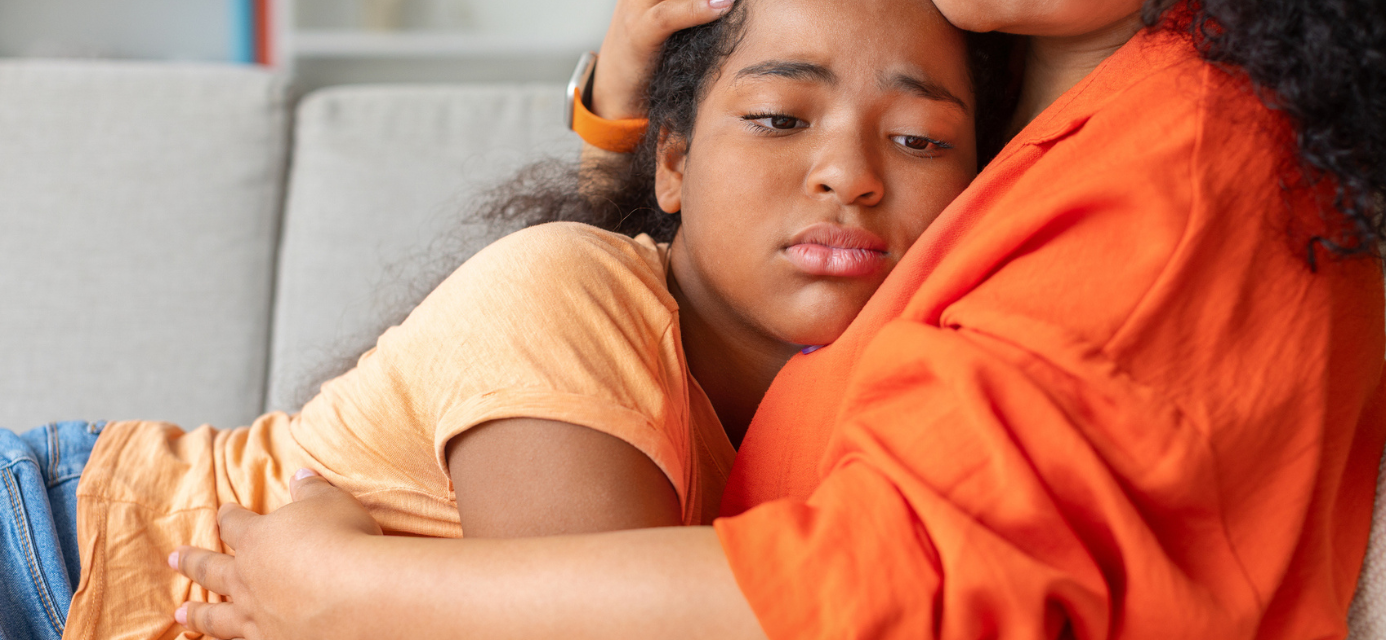
Adolescence is a critical period for teens as they start to forge their identities and seek greater independence. However, this transition can be more challenging for some, particularly during back-to-school season when anxiety levels may rise.
While many teens are eager to reconnect with friends, others may feel overwhelmed by the thought of separation from their parents. Signs of separation anxiety can manifest in reluctance to attend overnight camps, travel alone, or participate in sleepovers. If these feelings become intense or persistent, it may indicate a deeper issue.
Fortunately, with the right support and treatment, anxious teens can develop emotional regulation skills and learn to navigate their independence more effectively.
What You’ll Learn
- What is separation anxiety in teenagers?
- What are signs of typical separation anxiety vs. clinical separation anxiety?
- When should you get a treatment professional involved?
- How is separation anxiety in teens treated?
Quick Read
Separation Anxiety Disorder in teens is characterized by an intense fear of being apart from parents or caregivers. While some anxiety about separation is normal during adolescence, severe symptoms may indicate a more serious issue. Common triggers include returning to school, attending new camps, or traveling alone. Typical signs of separation anxiety include reluctance to participate in activities, excessive worry about safety, and physical symptoms like headaches or stomachaches. If these symptoms escalate or interfere with daily life, professional help may be needed.
Treatment often includes Cognitive Behavioral Therapy (CBT), which helps teens manage anxiety through structured sessions. In more severe cases, medication like SSRIs may be prescribed. Gradual exposure to separation and addressing underlying causes are also crucial. Early intervention can improve a teen’s quality of life and foster independence. Support from family, schools, and mental health professionals is essential for recovery.
Questions?
We know that reaching out can be difficult.
Our compassionate team of experts is here to help.
Call us at 877-929-5105
or complete the form below.
What Is Separation Anxiety in Teenagers?
Separation anxiety is the intense fear of being separated from a parent, guardian, or caregiver. It is normative in children between the ages of 6 months to one year, usually phasing out by age three. However, some children continue to experience separation anxiety beyond their toddler years. According to StatPearls, four percent of children experience clinical separation anxiety, and if untreated, a third may have symptoms that persist into adulthood. General onset of clinical separation anxiety is roughly age six.
In teenagers, separation anxiety may stem from unfamiliar circumstances, family instability, personal insecurity, a history of trauma, or a neurodevelopmental condition. About 5 percent of children and teens suffer from clinical separation anxiety, alongside 6 percent of adults. Separation anxiety disorder is the most commonly diagnosed anxiety disorder in children, responsible for approximately 50 percent of referrals for anxiety-related mental health treatment.
For many teens, separation anxiety may be event-based or situational, like going back to school. Nonclinical separation anxiety fades with time as adolescents become more confident in their ability to handle new situations. However, when separation anxiety becomes pronounced and persistent, it may indicate a larger issue that needs to be addressed.
How Common Is Back to School Separation Anxiety?
The back-to-school season can trigger forms of separation anxiety for teens, especially younger students. Your child may be hesitant to shop for school supplies, complain about their schedule, or express a great deal of nervousness about returning to school. This may be heightened if your child is attending a new school, has had problems with teachers or friends, or is generally having a difficult time feeling secure in themselves.
To help ease anxiety, take action prior to the first day of school. Create a calming, predictable routine and inform teachers and coaches who may be able to help. Talk to your teen about their hesitations about school and see if you can uncover the issues that are driving their anxiety. Back to school separation anxiety is usually temporary, lasting a few weeks to a couple months into the school year, but if it worsens over time—or your child refuses to go to school at all—it might be time to get a counselor involved.
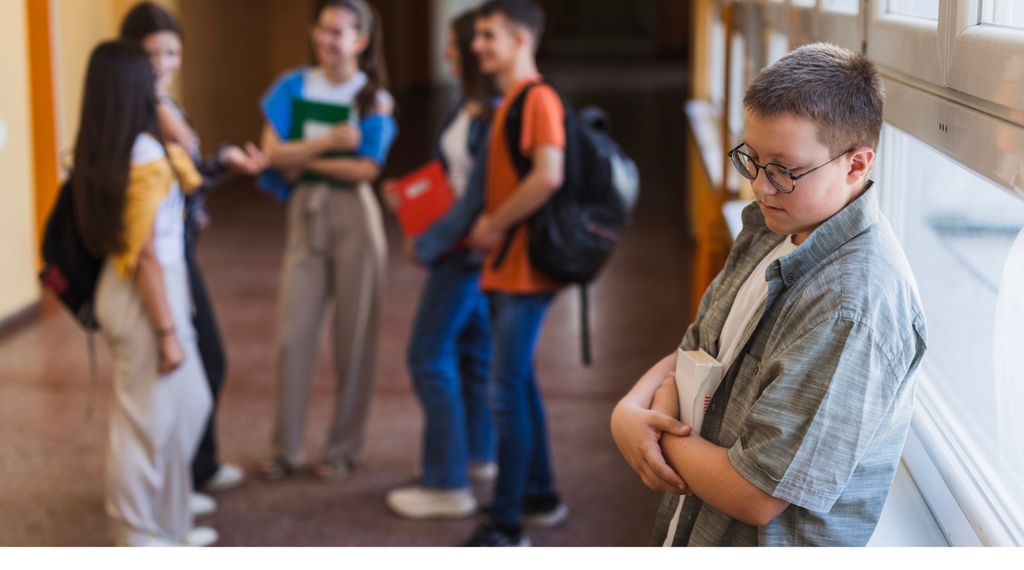
Typical Separation Anxiety vs. Diagnosing Separation Anxiety Disorder
Some degree of separation anxiety in teens is typical, generally stemming from their developmental phase or circumstances. It’s important to understand when teens are naturally nervous about leaving you or their home and when they’re clinically anxious and showcasing more extreme behaviors.
Signs of Typical Separation Anxiety in Adolescents
- Lack of excitement about an upcoming event, such as school starting
- Increased sadness or irritation
- Lack of interest in new or different activities
- Wanting you to go with them everywhere
- Wanting to stay home more frequently
- Reluctance to attend age-appropriate activities such as camp or birthday parties, which can also interfere with building age-appropriate independence
- Increased shyness or hesitation in making new friends or seeing current friends
Sometimes a teen is experiencing a lack of confidence, problems with peers, or circumstances that feel foreign or challenging, which can be the root of their separation anxiety. While normal separation anxiety is common in early childhood and nearly all children experience some of it as very young children, those fears are developmentally expected in young children and differ from teen symptoms. Talk to your teen about what may be causing their anxiety and what you can do to help.
Separation Anxiety Disorder Symptoms in Teens
- Obsessive worry about sickness, disaster, or death, including excessive worry or too much worry about their own safety, losing caregivers, or harm coming to a parent or guardian
- Refusing to go to sleep unless a parent or guardian is nearby
- Physical symptoms such as dizziness, headaches, or when alone frequent stomachaches before or during separation
- Never wanting to be by themselves, at home or elsewhere
- High reluctance or fear related to performing independent tasks
- Refusal to go to school and/or attend age-appropriate activities, such as camp or birthday parties, sometimes showing up as school fear
- Panic attacks when separated from family members
- Repeated nightmares related to separation, or other sleep problems
Children who have experienced frequent instability in their younger years, such as foster children or adopted children, may be prone to pronounced separation anxiety symptoms into their adolescence. A stable home life, positive relationships, therapy, and support may reduce these symptoms over time.
Neurodivergent teens, especially those with autism, may also show signs of severe separation anxiety as older children or young adults. According to Future Neurology, anxiety disorders are diagnosed alongside autism 40 percent of the time, with between 9-38 percent of autistic individuals having separation anxiety.
5 Ways to Help an Anxious Teen
As a parent or caregiver, you can help adolescents gradually build resilience and confidence in managing their separation anxiety. Here are five effective strategies:
1. Gradual Exposure
Sometimes a slow approach can make all the difference. Start with short separations and gradually increase the duration. This helps your child build confidence in their ability to cope with being apart from you, one small step at a time.
2. Establish a Routine
Create a consistent daily routine that includes clear expectations for when and how separations will occur. Predictability can provide a sense of security for a child.
3. Teach Coping Strategies
Equip your child with tools to manage their anxiety, such as deep breathing exercises, mindfulness techniques, or positive self-talk. These strategies can help them feel more in control during separations.
4. Encourage Independence
Foster opportunities for your child to engage in activities independently, such as joining clubs or spending time with friends. This can help them develop a sense of autonomy and reduce anxiety about being apart from caregivers.
5. Seek Professional Support
If anxiety persists or worsens, consider consulting a mental health professional who specializes in adolescent issues. Therapy can provide tailored strategies and support for both your child and your family.
When to Get a Treatment Professional Involved
Some teens are naturally shy or hesitant to try new things, and separation anxiety can make even outgoing teens seem clingy. If a teen’s hesitations escalate to frequent outbursts, refusals to engage in activities, increased dependence, or an inability to be alone, it’s crucial to seek professional help, especially if these symptoms disrupt home, social, or school life, or if the teen has a history of trauma or other mood or anxiety disorders.
Consulting a counselor can help your child understand their fears with professional support. A healthcare provider may first rule out physical causes before referring your teen to a mental health expert for an assessment of separation anxiety disorder, using established diagnostic criteria. Clinicians will differentiate it from other anxiety disorders and may also involve an occupational therapist to help your child gain independence. Seek further guidance if symptoms worsen or new ones arise.
Treatment for Separation Anxiety Disorder in Teens
How is separation anxiety in teens treated? Here are some therapeutic interventions that can help your teen recover their confidence and independence and treat separation anxiety disorder:
- Cognitive Behavioral Therapy (CBT). Proven to be effective for anxiety conditions, CBT teaches teens how to identify and dismantle negative and fear-driven thoughts and embrace realistic perspectives. It commonly takes about 10 to 15 sessions and helps a child master feared situations so children feel calmer over time. Parent-based interventions can be as effective as traditional CBT, and parents play an important role in the child’s treatment.
- Medication. When symptoms are more intense, SSRIs are considered first-line medications for severe anxiety. They should only be used as part of a professional treatment plan that takes your teen’s general health into account.
- Small doses of exposure. Practicing gradual or short periods of separation can help teens get used to the experience. This should be done slowly and with compassion to encourage age-appropriate independence, such as preparing for a short outing or a visit in manageable steps while offering child reassurance. If you take a “sink or swim” approach, berate your child, or allow your temper to flare, you can make things much worse.
- Addressing the root cause. Your child’s separation anxiety is not a moral or personality flaw. It often reflects biological and environmental factors. A treatment professional can help identify the root cause of a child’s anxiety and recommend solutions that can give you both more freedom. Risk factors such as overprotective parenting and having anxious parents can contribute to heightened separation anxiety.
For more severe cases, support may also involve family therapy, the child’s school, and local community services. Early treatment can lessen symptoms, support a child’s normal development, improve the child’s quality of life, and help prevent separation anxiety disorder from becoming more impairing.
Teen Treatment at Newport Academy
At Newport Academy, we understand the needs of teens and can equip them with life skills to help them thrive. Our evidence-based, results-driven program provides structure, support, and compassionate intervention for adolescents who are dealing with anxiety disorders and other mental health issues. If your teen is dealing with serious anxiety issues, get in touch with us today.
Frequently Asked Questions
In teenagers, separation anxiety may stem from unfamiliar circumstances, family instability, personal insecurity, a history of trauma, or a neurodevelopmental condition. About 5.3% of children and teens suffer from clinical separation anxiety.
Seeing a counselor with your child may be the first step to understanding their fears and having a credentialed third party provide counsel and support. Additionally, an occupational therapist may be able to help your child learn to do activities independently, helping them overcome their fears and challenges.
For many teens, separation anxiety may be event-based or situational, like going back to school. Nonclinical separation anxiety fades with time as adolescents become more confident in their ability to handle new situations. However, when separation anxiety becomes pronounced and persistent, it may indicate a larger issue that needs to be addressed.
Some teens may be naturally shy or reluctant to try new things. Separation anxiety can make even outgoing teenagers seem clingy and insecure. If a teen’s hesitations become more significant, including frequent outbursts, outright refusals to participate in independent or social activities, increased neediness or dependence, and an inability to be left alone, it’s time to get a treatment professional involved. This is especially the case if your child has a history of trauma, a neurodevelopmental condition, or another mood or anxiety disorder.
Therapeutic interventions that can help teens recover from separation anxiety include Cognitive Behavioral Therapy (CBT), exposure therapy in small doses, and treatment that addresses the root cause of their anxiety.
Sometimes a teen is experiencing a lack of confidence, problems with peers, or circumstances that feel foreign or challenging, which can be the root of their separation anxiety. Talk to your teen about what may be causing their anxiety and what you can do to help.
Sources
StatPearls Publishing; 2026 Jan
Future Neurol. 2018 Jan 17;13(1):31–37