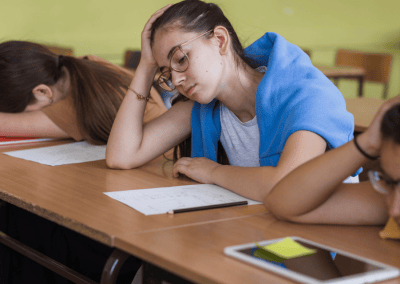
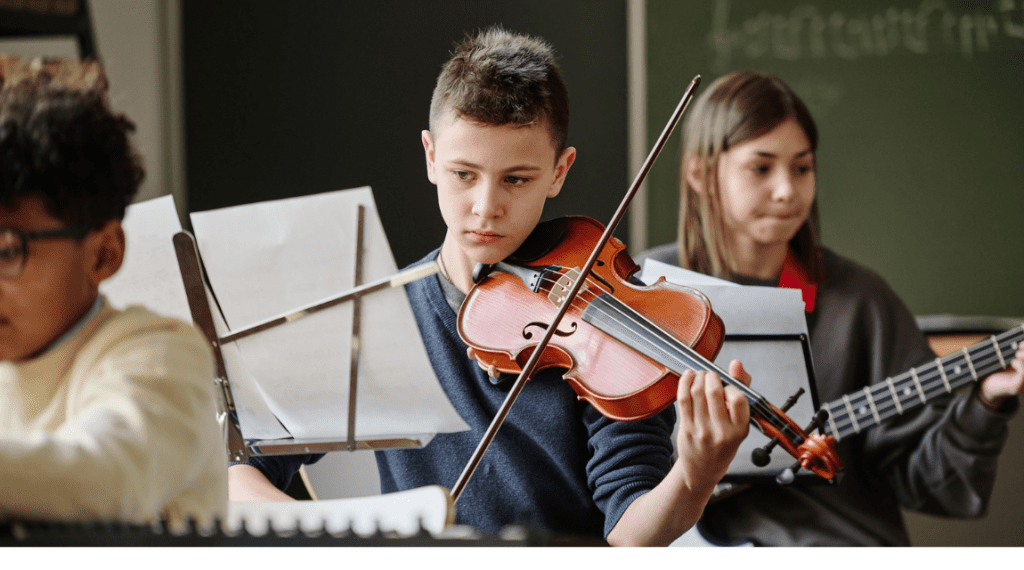
It’s the night of the big talent show at school. The class has rehearsed for months, and they are excited to show off their efforts. But one girl stands frozen in the corner. Heart racing, palms sweating, and stomach churning, she’s overcome with fear and self-doubt. “‘What if I forget the lyrics?” “What “if everyone laughs at me?” “How will I ever show my face again?”
Performance anxiety—often referred to as “stage fright”—is the intense fear, nervousness, even dread, that occurs before situation where all eyes are on you and you’re expected to do well. Whether on stage, in a sports game, or even at a social event, the pressure to perform in front of others can be overwhelming and crippling for a teen, whose reputation is everything.
The good news is that there are ways to tackle performance anxiety head-on. With the right coping strategies, your teen can overcome their fears and build the confidence needed to shine under any spotlight.
What You’ll Learn
- What is performance anxiety in teenagers?
- Why do teens feel extreme pressure to succeed?
- How can parents support a teen with performance anxiety?
- What should you do when teen anxiety becomes severe?
Quick Read
Performance anxiety is a common issue among teenagers, characterized by intense nervousness and self-doubt when facing situations that involve public performance or social scrutiny. This anxiety can manifest in various contexts, such as sports, presentations, and social interactions, often exacerbated by the pressure to succeed and fear of negative outcomes. Factors influencing performance anxiety include personality traits, perceived abilities, and external expectations from family, peers, and culture.
To help teens manage performance anxiety, parents can play a crucial role by providing support and understanding. Strategies include putting performance in perspective, reframing stress as a tool for focus, and teaching relaxation techniques. Encouraging self-compassion, resilience, and unconditional love can also empower teens to navigate their anxiety more effectively.
In cases where performance anxiety becomes severe and disrupts daily functioning, it may be necessary to seek professional help. Signs of escalating anxiety include avoidance behaviors, irrational fears, and significant changes in mood or behavior. Mental health treatment can offer teens the skills needed to cope with anxiety and build resilience, ultimately helping them thrive in their personal and academic lives.
Questions?
We know that reaching out can be difficult.
Our compassionate team of experts is here to help.
Call us at 877-929-5105
or complete the form below.
What Is Performance Anxiety?
Performance anxiety is the sensation of heightened nervousness related to completing specific actions in front of other people, whether on stage, in a sports game, or even at a social event. Performance anxiety is regarded as a form of social anxiety disorder (SAD), characterized by the fear of social situations.
Teenagers can be especially susceptible to performance anxiety. They have a decreased ability to regulate emotions and have less life experience, making it harder for them to understand the significance of certain events. Because adolescence is a time of trial and error, some teens may feel like any “errors” will have a lasting or even permanent effect on their social status or future—especially in the context of performance.
Here are a handful of situations in which performance anxiety may show up:
- Playing in a sports game
- Being evaluated by a recruiter
- Playing at a recital or concert
- Talking or presenting in front of group
- Taking a test
- Being interviewed for a job
- Acting in a play
- Going on a date
Teens may get nervous in a number of social situations, but most anxiety fades after the event or with exposure and practice. However, performance anxiety can increase over time for some teens, hampering their ability to perform at their best.
According to the National Survey of Children’s Health, over 8 percent of children aged 6–11 had anxiety problems in their lifetime, and among the 12–17 age group, the rate of anxiety problems increased to nearly 14 percent. There are a range of factors that can influence the development of anxiety and whether it persists in a child’s life.
Here is what performance anxiety may look like before, or even after the event:
- Intense feelings of dread, panic, or embarrassment
- Heightened self-doubt and feeling like a fraud
- Restlessness and inability to concentrate
- Extreme irritability, and feeling “on edge”
- Blushing, sweating, trembling
- Physical symptoms, such as nausea, diarrhea
- Thinking only about negative outcomes or worst case scenario
What Causes Performance Anxiety in Teens?
Performance anxiety is primarily connected to the pressure to succeed, though this pressure seems to affect some more than others. Why do today’s teens feel extreme pressure to succeed? The cause may be internal, external, or both.
Here are some factors that affect a teen’s internal pressure to succeed:
- Personality
- Sense of identity/desire to be the best
- Perceived abilities
- Gender
- Fear of failure
- Self-confidence
- Tendency toward neuroticism or anxiety
- Value assigned to a positive or negative outcome
Here are some factors that affect a teen’s external pressure to succeed:
- Cultural expectations
- Familial or peer expectations
- Level of competition
- Coaching behavior and style
- Difficulty of the performance
- Financial concerns
- Future opportunities
- Social status
Performance Anxiety and Teen Athletes
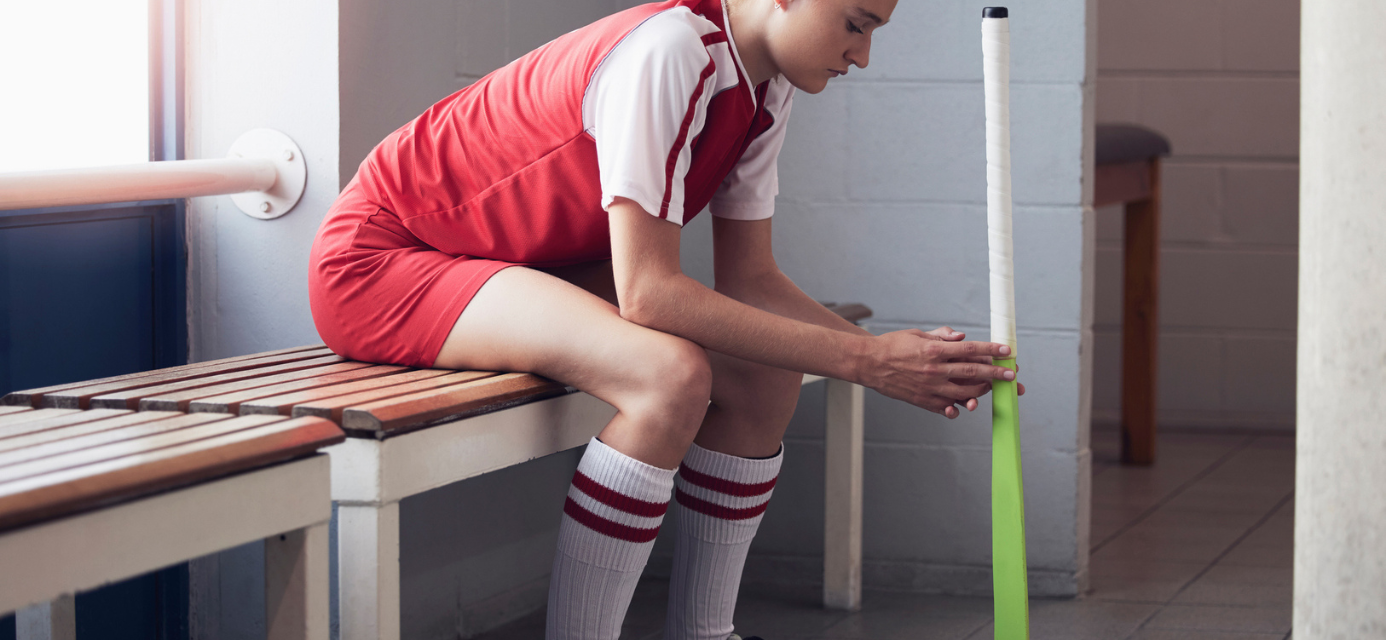
Performance anxiety can be serious for teen athletes who have a rigorous schedule and a high level of competition, especially if they are potentially eligible for scholarships or being recruited by certain schools. Here are some facts about performance anxiety in athletes, according to Translational Pediatrics:
Trends such as sport specialization, athlete identity, perfectionism, and overtraining in youth sports are making performance anxiety more prevalent. Athletes in individual sports may experience more performance anxiety than those in team sports. Personality type is a strong factor in an athlete’s experience of performance anxiety.
How Parents Can Support a Teen with Performance Anxiety?
As a parent, your support can be vital to your teen. Understanding anxiety can be critical to alleviating it. The manifestation of anxiety is not simply mental or behavioral; it’s also physiological. It’s important to note that teens with ADHD and autism can also be more susceptible to anxiety because of the way that those conditions impact the nervous system.
Anxiety comes from a heightened nervous system response to certain stimuli. We experience stress in lieu of meeting expectations through our performance. We are not simply trying to attain a certain goal; we are also trying to avoid a negative outcome. Our brain releases cortisol to increase our ability to focus. If the stakes are high enough—i.e., we sense a threat, whether it pertains to our social status or our actual physical or emotional safety—our brain releases adrenaline and norepinephrine to increase our chance of survival.
This reaction to stress is meant to help us perform, but at a certain point, stress tips over into a state of di-stress. Distress tends to have the opposite effect on our performance: our ability to concentrate deteriorates. Our actions are clumsy instead of fine-tuned, and our mental state turns decidedly negative. Fear takes over, and we are more susceptible to a “freeze” response, the common experience of stage fright.
Teens need to understand that stress can be utilized. It’s not always “bad” to feel nervous. In fact, it can be used to their advantage, to increase their focus.
Strategies for Managing Performance Anxiety in Teens
For teens who regularly have the experience of performance anxiety, especially to the point of distress, what is the solution? How can parents help teens who are struggling with their nervous system response and feeling debilitated because of it?
Here are some strategies for how to deal with performance anxiety:
Put performance in perspective
As a parent, you can help a teen evaluate their performance opportunity within the context of their whole life, what matters, and who they are. You can remind them that their identity is not equated with their performance, even if it feels that way. Reaffirming values can help teens anchor to something more than a particular performance.
Reframe stress as an opportunity to focus
If teens can understand that their body’s response is designed to help them succeed, they can stop trying to suppress nervousness and reidentify it as excitement and the chance to focus more effectively.
Teach simple exercises for managing uncomfortable sensations
Waves of anxiety can be unsettling, even if they are viewed as excitement. Remind your teen that they can take deep breaths, practice mindfulness, and channel some of their energy through stretching exercises to reset. For teens that want to go deeper, Cognitive Behavioral Therapy (CBT) is very effective for dismantling thoughts and beliefs that trigger anxiety.
Teach the value of self-compassion and self-acceptance
Teens may experience performance anxiety over fear of a negative outcome, which may change their view of themselves or others’ view of them. However, learning how to be kind to yourself and accept who you are (regardless of your performance) is a skill that teens need — and it can genuinely decrease performance anxiety levels. Look up their favorite celebrities, public figures, and athletes who have dealt with the same issues and emphasize the value of self-compassion.
Emphasize resilience over perfection
Help your teen understand that what’s really valuable isn’t the ability to perform perfectly, but the ability to get back up and recover once they’ve made a mistake. Teens need to recognize that building resilience is more effective for their well-being and performance overall than being perfect (which is impossible to do)
Reaffirm your love for your teen, no matter what
Remind your teen that no matter what happens in their performance, you will continue to love and support them. Knowing they have your belief and acceptance can empower them to succeed and help them bounce back from failure.
When Teen Anxiety Becomes Severe
There are times when teen anxiety may amplify and increase in severity instead of decreasing, even if the event is over and they have been reassured by friends and family. Teens under chronic stress can be more prone to developing anxiety conditions, and there are also genetic, personality, and environmental factors that may influence how a teen deals with persistent anxiety. Here are some signs that your teen’s anxiety is becoming a serious issue:
- Frequently avoiding certain places, people, or things
- Becoming paranoid or believing others are conspiring against them
- Panic attacks
- Catastrophizing or dwelling on the worst case scenario
- Hysterical episodes (excessive crying, rage, inexplicable reactions)
- An increase in irrational fears
- Refusing to interact with others in social environments
- Refusing to perform (take tests, play in games, present in front of others)
- Refusing to get out of bed or go to school
- Significant decrease in performance ability
- Frequent inability to concentrate
- Problems sleeping (insomnia or excessive fatigue)
- Changes in eating patterns (lack of appetite or overeating)
- Depression or burnout
- Substance use
For teens whose anxiety is debilitating or life-disrupting, mental health treatment can provide a path back to thriving in life. Working with a counselor, psychologist, or even attending an outpatient or residential program can give your teen the frameworks to cope with life stressors and build resilience. While medication can be helpful to some, learning how to thrive in life and mitigate anxiety symptoms through mental health treatment can provide greater long-term returns and stability for many teens.
Anxiety Disorder Treatment for Teens
At Newport Academy, we know how to support and equip teens with skills to overcome anxiety symptoms, rediscover their authentic selves, and handle the challenges that life brings. Using evidence-based modalities and a compassionate approach, we provide teens with a safe place to uncover the root of their anxiety and discover the path to long-term healing.
If your teen is dealing with severe performance anxiety, extreme nervousness that is getting worse, or even substance use to cope, contact our team today. We serve children ages 7–11 and 12–18 in locations across the country, including California, Utah, Connecticut, and Virginia.
Frequently Asked Questions
Performance anxiety in teenagers is a common experience that has to do with getting up on stage or being the spotlight in the context of certain expectations. Intense feelings of nervousness, difficulty concentrating, and lack of self-confidence may characterize a teen’s emotions and behavior prior to, during, or occasionally after the event.
Untreated performance anxiety can lead to depression, burnout, and persistent anxiety that comes from exposure to chronic stress.
The cause may be internal, external, or both. Internal pressure to succeed may come from personality, sense of identity, perceived abilities, gender, fear of failure, and value assigned to a positive or negative outcome. External pressure to succeed may come from things like cultural environment, coaching style, peers or family, social status, future opportunities, and level of competition.
Athletes in individual sports may feel more performance anxiety than those in team sports. Personality type can lend heavily to the pressure to succeed, and trends such as sport specialization, athlete identity, perfectionism, and overtraining in youth sports are making performance anxiety more prevalent.
Parents can support their teen by putting their performance in perspective; reframing feelings of nervousness as an opportunity to focus; encouraging teens to engage in breathing exercises, mindfulness, and CBT; teaching the value of being kind to yourself; emphasizing resilience over perfection; and reaffirming their love for their teen (no matter what).
Breathing exercises, mindfulness, and CBT can help alleviate symptoms of stage fright for adolescents.
Sources
Mental Health Surveillance Among Children – United States, 2013-2019. MMWR Suppl 2022;71:1-42. 10.15585/mmwr.su7102a1
Transl Pediatr. 2025 Jan 21;14(1):127–138.