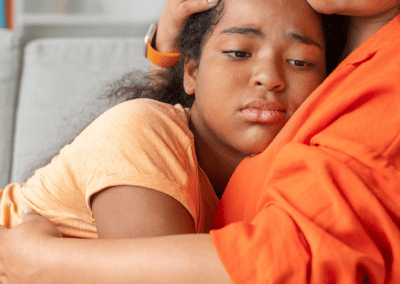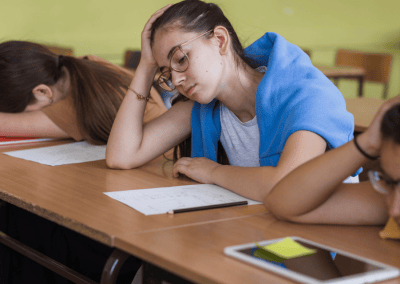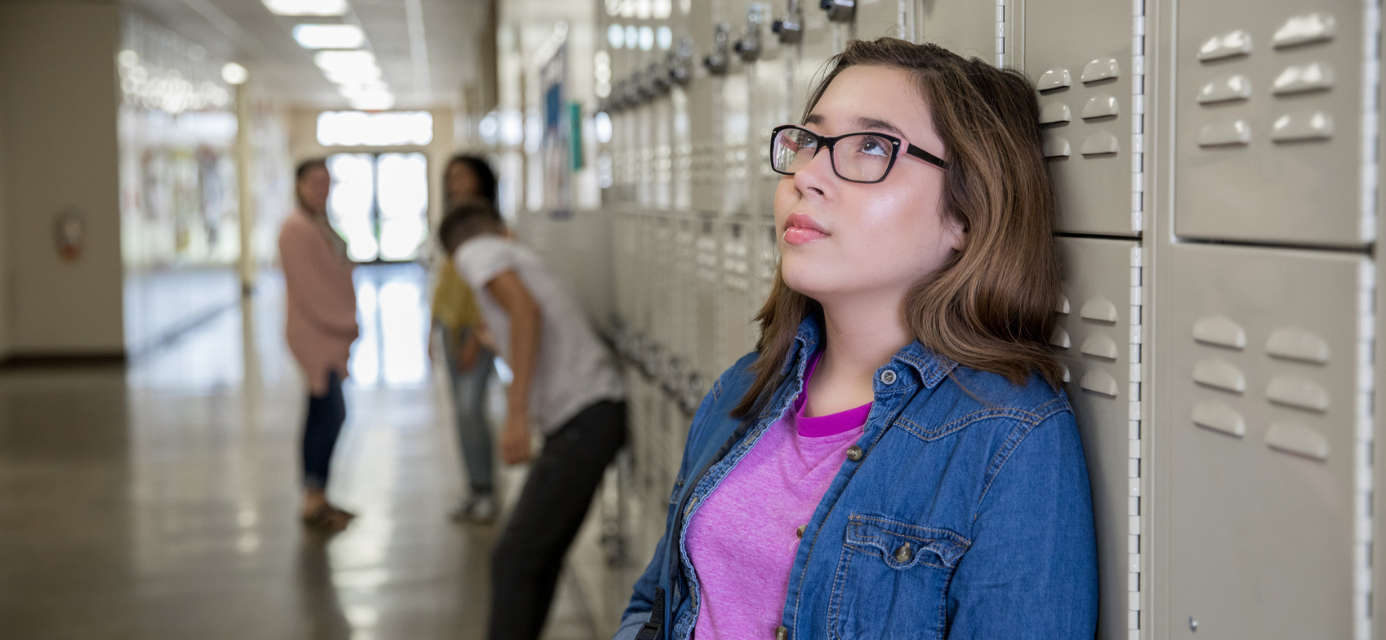
As a parent, watching your teen face the world can be both exciting and nerve-wracking. One moment they’re filled with confidence, and the next, they’re hit with a wave of anxiety that seems to come out of nowhere.
If your teen has ever felt their heart race before stepping on stage for a presentation, or if they’ve experienced that gut-wrenching fear before a taking an exam, they’re not alone.
Situational anxiety often stems from past experiences—memories that can create a mental roadblock, making similar situations feel daunting. While it’s not classified as a diagnosable condition, the symptoms can be disruptive, affecting your teen’s ability to engage fully in life. Read on to learn how to support your teen through these challenges and when you should consider professional treatment.
What You’ll Learn
- What is situational anxiety?
- What are some situational anxiety examples in teens?
- How is situational anxiety different from generalized anxiety disorder (GAD)?
- When should a teen seek help from a mental health professional?
Quick Read
Situational anxiety is a common experience for many teens, often triggered by specific events like public speaking, exams, or first dates. It can cause symptoms such as a racing heart, sweating, and difficulty concentrating. Unlike generalized anxiety disorder, which involves persistent worry across various aspects of life, situational anxiety is linked to identifiable circumstances and usually subsides once the situation is over. While it’s not classified as a formal medical diagnosis, it can still disrupt daily life and social functioning.
To support teens dealing with situational anxiety, parents can help by preparing them for upcoming challenges, providing reassurance, and encouraging gradual exposure to anxiety-provoking situations. Effective coping strategies include mindfulness techniques, cognitive-behavioral therapy, and relaxation exercises. Understanding the triggers and symptoms of situational anxiety can empower families to work together in managing these feelings, ultimately helping teens navigate their challenges and build confidence.
Questions?
We know that reaching out can be difficult.
Our compassionate team of experts is here to help.
Call us at 877-929-5105
or complete the form below.
What Is Situational Anxiety?
Why do some teens experience anxiety only in specific situations? Let’s say they have an easygoing personality, an upbeat approach to life, and a relaxed attitude throughout their day-to-day routine. But when a teacher asks your teen to make a presentation in front of their class, they become a mess of nerves. They’re consumed with fear. They can’t stop thinking about what will go wrong and how their classmates will perceive them.
Situational anxiety is always connected to a particular circumstance, and it’s usually one where your teen feels like their performance will be judged. They may feel that someone, or a group of people, may think about them differently during or after the experience.
While situational anxiety is not a diagnosable condition, it can be disruptive, and it’s helpful to know how to handle symptoms when they arise. It triggers the body’s fight or flight response, which creates symptoms of anxiety, including:
- Dizziness
- Heart racing or pounding
- Mental fog or forgetfulness
- Sweating
- Tunnel vision
- Restlessness
- Heightened feelings of dread
Examples of Situational Anxiety in Teens
Here are some common examples of situational anxiety that a teenager might experience:
- Speaking in front of the class
- Taking a test
- Being interviewed for a job
- Going on a first date
- Flying on a plane
- Performing in front of others
- Trying something new
- Entering an unfamiliar environment
Prevalence of Anxiety Disorders in Teens
Teen anxiety is rising to crisis levels, according to experts. Between 2016 and 2023, diagnosed teen anxiety increased by 61 percent. Data from the National Institute of Mental Health shows around 32 percent of adolescents have an anxiety disorder, with an estimated eight percent experiencing severe impairment. Additionally, the prevalence of anxiety disorders among adolescents is higher for females (38 percent) than for males (26 percent).
Common Triggers of Situational Anxiety
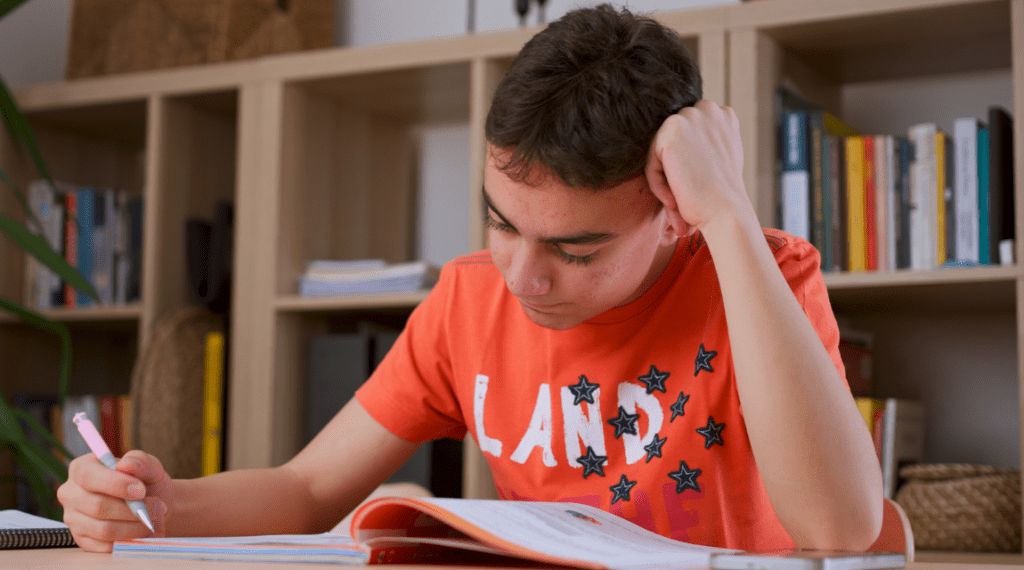
Situational anxiety connects to specific, identifiable triggers. Teens experiencing situational anxiety can often pinpoint the exact event or circumstance that brings on their symptoms. For example, an adolescent may feel anxious only when presenting in class, but feel completely comfortable during casual conversations with friends or families.
Environmental factors also play a significant role in triggering situational anxiety for adolescents. Changes like starting a new school, moving to a different city, or adjusting to a new environment can all increase anxiety levels. Personality traits, such as perfectionism or a strong desire to avoid mistakes, may make some teens more sensitive to these triggers.
Additionally, brain chemistry and genetics can influence how likely a young person is to experience situational anxiety, with some individuals being naturally more prone to these feelings.
Situational Anxiety Versus Panic Attacks, GAD, and Social Anxiety
It’s important for families to understand that situational anxiety is different from other mental health challenges, such as social anxiety disorder, panic disorder, or separation anxiety disorder. While these conditions may share some physical symptoms, they have different patterns and benefit from tailored approaches to treatment.
Situational anxiety revolves only around the specific situation you encounter, is a common life experience, and goes away once the situation concludes. When you’re experiencing situational anxiety, there’s a chance that you may have a panic attack, but it’s not necessarily typical.
Moreover, because situational anxiety is not recognized as a standalone diagnosis in the diagnostic and statistical manual of mental disorders (DSM-5), mental health professionals assess it differently from other anxiety disorders.
Here’s how to recognize panic attacks, GAD, and social anxiety disorder:
Panic Attacks
Panic attacks come in severe episodes, whereas situational anxiety will rise and fall in association with the cadence of the situation. Panic attacks may be connected to trauma, and frequent panic attacks (unrelated to specific situations) can be a sign of panic disorder. Anxiety disorders are among the most common types of mental illness, affecting millions of people and significantly impacting daily functioning.
Panic attack symptoms include:
- Heart pounding or racing
- Shortness of breath
- Adrenaline rush
- Overwhelming feelings of dread
- Shaking
- Sweating
- Flushing
- Tunnel vision
Generalized Anxiety Disorder
Generalized anxiety disorder (GAD) is characterized by excessive worry that impacts a person’s life on a regular basis. Individuals with generalized anxiety disorder tend to experience persistent and widespread worries across many areas of life, such as work, school, and relationships, making it difficult to identify specific triggers.
To be diagnosed with GAD, your teen’s condition would need to meet the criteria in the DSM-5, including more symptomatic days than non-symptomatic days over a period of six months. Symptoms are not just mental, but physical, such as sleep problems, difficulty concentrating, and muscle tension.
Social Anxiety Disorder
If your teen frequently experiences anxiety in various situations, but it seems to stem from being around people rather than the specific situations themselves, this could indicate social anxiety disorder.
Social anxiety disorder involves an intense fear of rejection or embarrassment. Social phobia is a term often used interchangeably with social anxiety disorder, but social phobia specifically refers to the fear of social situations, and is considered a common type of social anxiety disorder affecting young people. When you’re in a crowd or with others, you may constantly feel that you are being judged or evaluated even when you’re not. The median onset age for social anxiety is 13.
Other mental health conditions, such as depression, PTSD, OCD, and specific phobias, can also present with anxiety symptoms and may require comprehensive assessment and treatment.
How to Help Your Teen Manage Situational Anxiety
Situational anxiety can be unnerving, but it doesn’t have to paralyze your teen. Teens may respond to situational anxiety by avoiding or escaping the situation, but these avoidance behaviors are considered unhealthy coping strategies. As a parent, you can play a crucial role in helping your teen cope with situational anxiety. Here are some effective strategies you can encourage them to use:
Deep Breathing
Teach your teen to practice deep breathing by inhaling gently through their nose for four counts and exhaling through their mouth for six to eight counts. Doing this for about two-to-three minutes can help activate their body’s relaxation response and significantly reduce anxiety.
Grounding Techniques
Introduce the 5–4–3–2–1 sensory check-in. Encourage your teen to notice five things they can see, four things they can hear, three things they can touch, two things they can smell, and one thing they can taste. This exercise helps redirect their focus away from anxious thoughts. Remind them to feel their feet on the ground to create a sense of stability.
Positive Self-Talk
Encourage your teen to use positive affirmations. Phrases like “Anxiety is uncomfortable, but it’s not dangerous,” or “I’ve faced challenges before,” can help ground them and shift their mindset.
Environmental Adjustments
Help your teen prepare for anxiety-provoking situations by making small adjustments. Arriving early, sitting near an exit, or bringing a supportive friend or family member to appointments can help reduce feelings of unpredictability and make them feel more secure.
Journaling, Meditation and Deep Breathing
Journaling can help teens organize their thoughts, feel their emotions, and get perspective on what they’re afraid of. Thoughts and feelings are always larger in the mind than they are on a piece of paper.
Progressive Muscle Relaxation (PMR)
Suggest that your teen try progressive muscle relaxation. They can gently tense and then release different muscle groups—like their shoulders, hands, and jaw—while waiting for a meeting or exam. This technique helps alleviate physical tension and promotes relaxation.
Reframing
For teens who are anxious in performance situations, such as band, drama, or choir, encourage them to reframe nerves as excitement, which can help shift their perception and reduce anxiety.
When Situational Anxiety Signals it’s Time to Get Help
Feeling nervous sometimes is totally normal, but if you find your teen is feeling anxious a lot, especially in certain situations, it might be time to reach out for help. Spotting the signs early can make a big difference.
Here are some warning signs to watch for:
Avoidance Behaviors
If your teen is skipping school or turning down chances to try new things, obsessing over events days or weeks in advance, or using substances to cope with stress, it may be time to get a professional involved to assist.
Increased Physical Symptoms
Physical signs to look out for include frequent panic attacks, trouble sleeping, and ongoing stomachaches or headaches that medical doctors can’t explain. When anxiety sticks around for a long time, it can show up in your body too.
For some teens, situational anxiety can go hand in hand with other issues like depression, self-harm, eating disorders, or substance use. A formal diagnosis can ensure they are getting help for everything at once.
Self-Harm or Suicidal Thoughts
If your teen’s anxiety is making them think about self-harm or suicide, it’s crucial to get immediate help. Contact 988, the Suicide and Crisis Lifeline for immediate assistance.
Mental Health Support for Teens
At Newport Academy, our experts are experienced in the unique needs of adolescents. Our evidence-based programs are designed to provide compassionate support and treatment that equip teens with skills for managing symptoms of anxiety, depression, and other mental health conditions.
Evidence-based modalities for treating teen anxiety include:
- Cognitive Behavioral Therapy (CBT) to identify and change unhelpful thought patterns and behaviors
- Dialectical Behavior Therapy (DBT) skills for distress tolerance and emotion regulation
- Acceptance and Commitment (ACT) therapy to help teens move toward values-based actions despite discomfort
- Exposure and Response Prevention (ERP) therapy for gradual exposure to and systematic desensitization to feared situations
- EMDR and trauma-focused therapies when situational anxiety links to past trauma
Newport Academy integrates experiential therapies—adventure therapy, mindfulness, yoga, art therapy—to help teens practice regulation skills in real-world scenarios. This approach addresses separation anxiety disorder, social phobia, and other anxiety disorders through immersive practice.
If your teen is dealing with situational anxiety that is disrupting their life, give us a call. Our experts can help your teen heal, build resilience, and respond to life’s challenges in healthy ways. Contact us today to learn more.
Frequently Asked Questions
Situational anxiety examples include speaking in front of a group, getting interviewed for a job, taking a test, going on a date, flying on a plane, or engaging in something new or unfamiliar.
Situational anxiety usually diminishes significantly after the situation concludes, reflecting its temporary nature as it arises in response to specific triggers and subsides once the situation has passed.
Helping a child be adequately prepared for a situation, providing reassurance and encouragement, and allowing them to be reasonably and safely exposed to the situation can help.
Our survival instincts are activated toward threats, whether they are real or perceived. We perceive some situations as being threatening to our social status or livelihood, which initiates our fight or flight response.
Situational anxiety usually goes away with the situations it’s connected to, but you can also take action to reduce your symptoms through exposure therapy, getting more training for situation, CBT, journaling, meditation, and deep breathing exercises.
Situational anxiety usually goes away with the situations it’s connected to, but you can also take action to reduce your symptoms through exposure therapy, getting more training for situation, CBT, journaling, meditation, and deep breathing exercises.
Sources
American Psychiatric Association
National Institute of Mental Health