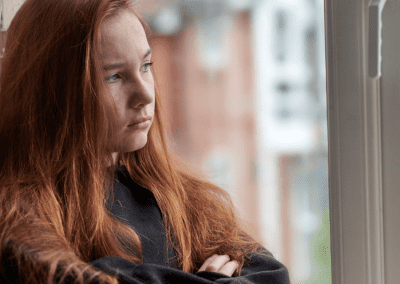
There’s no such thing as a perfect family or a flawless parent. However, when unhealthy patterns are the norm, a family can be considered dysfunctional. Neglect, abuse, substance use, and other harmful behaviors all steer a family into dysfunction, leading to lasting effects on young people’s mental health and well-being.
Learning more about family dysfunction can help parents recognize and break the harmful patterns that are creating an unstable environment for their family.
Key Takeaways
- In a dysfunctional family, unhealthy dynamics are persistent and create a harmful environment for family members. While dysfunction differs from family to family , an absence of emotional support or security is an underlying theme.
- Common contributing factors to a dysfunctional family include trauma, mental health issues, substance use, and financial challenges.
- This dysfunction can lead to roles that family members adopt—such as the scapegoat, the hero, or the lost child—each of which can have devastating consequences on mental health.
- Fixing dysfunctional roles involves self-awareness, setting boundaries, and often seeking professional help. Comprehensive therapy can be particularly effective in helping uncover trauma and change harmful patterns.
Defining Family Dysfunction
In a dysfunctional family, unhealthy dynamics are so persistent that they create a harmful environment for family members. A child’s emotional or physical needs may go unaddressed, communication is often tense or strained, abuse or neglect may be present, and there can be harmful behaviors at play, such as gambling or problem substance use.
While one family’s dysfunction may look different from another’s, an absence of emotional support or security is an underlying theme. This dysfunction can lead to roles that family members adopt—such as the scapegoat, the hero, or the lost child—each of which can have devastating consequences on mental health.
Sadly, family dysfunction frequently results in lasting trauma and complex PTSD that can follow children into adulthood. Healing from the relational wounds of a dysfunctional family can be challenging, but with the right support and guidance, these wounds don’t have to define your life.
Signs of a Dysfunctional Family
Families can become dysfunctional for a range of reasons, but many dysfunctional families are a result of generations of trauma. When dysfunctional patterns are passed down from family to family, it can be difficult to break free from that cycle and operate in healthier manner.
Hence, parents who endured abuse or relational trauma as children may inflict similar trauma or abuse on their own children. It takes awareness and a strong desire to change to create better family environments, but change is always possible.
Common indicators of a dysfunctional family include the following:
- Chronic conflict, including yelling, stonewalling, or giving the silent treatment as punishment
- Neglect
- Abuse involving at least one family member, whether physical, emotional, sexual, or verbal
- Lack of emotional support
- Violation of healthy boundaries, such as refusing to honor basic privacy rights
- Problematic alcohol or other substance use
- Struggling with things like gambling or shopping beyond a family’s means
- Secrecy or asking children to lie about what’s happening within the family
Dynamics like these breed a foundation of mistrust and emotional distance, leading to feelings of unsafety and instability that can continue to compound.
Questions?
We know that reaching out can be difficult.
Our compassionate team of experts is here to help.
Call us at 877-929-5105
or complete the form below.
Examples of Dysfunctional Families
Families can be dysfunctional in different ways. Here are some common examples of situations that are considered dysfunctional:
Neglectful or Detached Parenting Style
When parents are overly critical or detached, children may grow up feeling unsupported, inadequate, and invisible. They may rarely receive praise or affection, which can lead to coping behaviors like perfectionism, people-pleasing, and profoundly low self-esteem. Neglectful parents may even gaslight or dismiss their children’s feelings, resulting in a mistrust of their own sense of reality.Abuse
Various forms of abuse—whether emotional, verbal, physical, or sexual—leave lasting wounds. In a dysfunctional family, a child may experience abuse within their household, or their caretakers may fail to protect them from abuse outside the home. Children who endure such trauma often develop complex PTSD or other emotional challenges that follow them into adulthood. Untreated trauma causes poor mental health, relationship instability, and increases risk for self-harm behaviors.
Substance Use
If a parent struggles with problematic substance use, it can lead to instability within the family. Children may experience neglect or insecurity as the parent prioritizes the substance, leaving them to fend for themselves emotionally and sometimes even physically.
Unhealthy or Risky Behaviors
Parents who engage in risky behaviors, like gambling or infidelity, create a tense and unstable home environment. These behaviors can lead to fighting, secrecy, financial problems, and motional neglect within the family.
Treating Children Like Friends
Parents are supposed to parent their children, not befriend them. In situations where a parent uses their child as a confidante or unloads their burdens onto them, children are put into harmful role reversals in which they become the support system for the parent. Forcing children to take on age-inappropriate emotional burdens is dysfunctional behavior and impacts a child’s mental health.
High Conflict
Sometimes a family doesn’t have anything specific to point to that’s causing dysfunction, such as abuse or parental substance use. Family dysfunction can also occur from patterns of poor communication, high tension, and chronic conflict among family members. This can look like resorting to yelling, talking over one another, “hot and cold” patterns, belittling each other, or a general lack of respect and outward care.

What Makes a Family Dysfunctional?
Dysfunctional families can emerge for various reasons. Common contributing factors include trauma, mental health issues, substance use, and financial challenges. Below are some primary causes of family dysfunction:
Trauma
Unresolved trauma tends to perpetuate dysfunctional family dynamics. If a caregiver has unresolved trauma, they may unintentionally transfer some of their emotional burdens onto their children. When parents do not have healthy ways to process emotions, it can lead to emotional distance, aggression, poor coping mechanisms (such as substance use or unhealthy communication) or unpredictable behavior.
Mental Health Conditions
Untreated mental health issues like depression, bipolar disorder, or PTSD can strain family dynamics. A parent dealing with severe symptoms may struggle to provide consistent support, and children in such families may feel isolated or overly responsible for their parents’ well-being.
Substance Use
Substance use disorder often disrupts family stability. The family member with a substance use problem may be emotionally or physically unavailable, and children may take on caregiving roles prematurely or feel neglected.
Socioeconomic Challenges
Low income or socioeconomic stress can contribute to family dysfunction, particularly when parents work long hours or face financial insecurity. Limited resources can lead to housing and food instability, frustration, and poor coping mechanisms due to chronic stress.
How Dysfunctional Family Roles Affect Young People
Growing up in a dysfunctional family can have profound effects on a child’s mental health and development. Children in such families often adopt roles that help them cope but can be limiting in adulthood. Some potential impacts include:
- Anxiety
- Depression
- Relationship problems in adulthood
- Loneliness
- Low self-worth and self-esteem
- Self harm behaviors
- Mental health crises
Dysfunctional Family Roles
In dysfunctional families, members often assume specific roles that serve as coping mechanisms. While these roles can provide temporary stability, they can also lead to harmful patterns in adulthood.
The Hero
The “hero” tries to keep everything together, often taking on excessive responsibility. They feel like it’s on them to keep everyone around them happy, because they were often tasked with this job when they were young. While they may appear successful and put together, they often struggle with anxiety or perfectionism.
The Scapegoat
The “scapegoat” often becomes the target of blame within the family. This role can foster deep feelings of shame and unworthiness, which may lead to behavioral issues as the individual seeks external sources of validation, often through unhealthy coping mechanisms.
The Lost Child
This family member often feels overlooked and avoids conflict. They may be terrified to express their true feelings or show up authentically as themselves, which can lead to isolation, loneliness, and a sense of unbelonging.
The Mascot
The “mascot” uses humor to deflect pain and avoid confronting family issues. This can help them avoid pain in the short term, but has consequences in the long run. As adults, they often struggle to cultivate deep, emotionally connected relationships.
How to Heal from Dysfunctional Family Roles
It’s not easy to heal from family dysfunction, but with support, self-compassion, and practice, it is certainly doable. Below are steps that can help break harmful patterns:
1. Acknowledge the Dysfunction
Recognizing patterns of dysfunction within your family is the first step toward change. Understanding the roles you were assigned and the coping strategies you developed in response can help you distinguish your family’s issues from your own sense of self.
2. Build Self-Compassion
Growing up in a dysfunctional family can lead to a warped belief system and feelings of unworthiness. Learning how to treat yourself well can feel like an impossible undertaking. Practicing self-compassion and self-care, as well as advocating for your own needs, are all skills that can be honed. Over time, and with the right support, you can build trust and care with yourself.
3. Practice Relational Healing
Relational wounds are healed in relationship with others. Finding safe people who celebrate your boundaries and put care and effort into understanding you goes a long way in helping you recover from the impacts of family dysfunction. You might find these relationships through local community groups, friendships, romantic relationships, peer support groups, or therapeutic relationships.
4. Therapy and Counseling
Finding the right support can be crucial in helping you understand and process past trauma. Comprehensive therapy that utilizes CBT, DBT, EMDR, family and group therapy, and other modalities is effective for addressing underlying trauma and family dysfunction.

Evidence-Based Treatment to Heal from Dysfunctional Family Roles
If dysfunctional family patterns are hurting your family, you don’t have to navigate it alone.
At Newport Academy, we offer comprehensive treatment to foster healing and growth for young people and their families. Our teen residential treatment program and outpatient clinics focus on emotional, physical, and mental health healing for children ages 7–11 and teens ages 12–18.
We treat family dysfunction by addressing underlying trauma, family roles, depression, anxiety, PTSD, and other mental health concerns while simultaneously working through behavioral problems. Our programs address root causes and help build skills to deal with issues like poor communication, healthy boundaries, and feelings of low self-worth.
Our approach uses evidence-based clinical and experiential modalities to help your whole family heal. A multidisciplinary team of licensed health professionals—including psychiatrists, therapists, medical doctor and nurses, academic teachers, and more—ensures your family receives mental health support at every level.
If you’re curious about learning more, our caring staff is available to help you every step of the way, starting with a free mental health assessment. Get in touch today to see how treatment could help your family.