
If you’re a parent seeking trusted mental health treatment options for your adolescent child in Washington State, it can be overwhelming to navigate the many programs available. Choosing the right teen residential treatment center or outpatient program is critical for your teen’s recovery and long-term well-being.
When selecting a program, consider your teen’s specific mental health conditions, behavioral issues, and the level of care they need whether residential programs or outpatient services like Intensive Outpatient Programs (IOP) or Partial Hospitalization Programs (PHP). Evaluate factors such as evidence-based therapies offered, family involvement, insurance coverage, and the expertise of the multidisciplinary treatment team to ensure the best fit for your teen.
Types of Teen Treatment Programs in Washington
Residential Treatment Centers
Residential treatment centers offer structured, immersive care with continuous supervision by experienced professionals. These programs address severe mental health challenges, suicidal thoughts, self harm risks, and substance use disorders through individualized treatment plans, psychiatric care, and family involvement.
Intensive Outpatient Programs (IOP)
IOPs provide several hours of daily treatment, typically 3 hours a day for multiple days per week, focusing on developing healthy coping skills and practical skills while allowing teens to live at home and attend school.
Partial Hospitalization Programs (PHP)
PHPs deliver more intensive care than IOPs, with approximately 8 hours of treatment daily. These programs support teens who need a higher level of supervision but do not require full residential care.
Key Features to Look for in Washington Teen Treatment Centers
1. Evidence-Based Therapeutic Approaches
Look for programs that use proven effective therapies such as Cognitive Behavioral Therapy (CBT) to help change unhelpful thought patterns, Dialectical Behavior Therapy (DBT) for emotional regulation, and Eye Movement Desensitization and Reprocessing (EMDR) for trauma.
2. Individualized and Holistic Care
Programs should offer customized treatment plans that address the developmental needs of teens, including mental, emotional, physical, and social health. Integrated academic support and recreational activities are important for overall well-being.
3. Experienced Professionals and Multidisciplinary Treatment Team
A leading provider will have a team including licensed therapists, psychiatrists, pediatricians, and family specialists who collaborate to meet the unique needs of each teen.
4. Family Involvement and Aftercare Planning
Family members play a vital role in recovery. Quality programs include family therapy and comprehensive aftercare planning to support teens’ transition back to everyday life and maintain progress.
5. Insurance Coverage and Accessibility
Many Washington teen treatment centers work with most major insurance providers and health plans to help families access care. Confirm that your insurance plans cover residential treatment programs or outpatient services.
Signs Your Teen May Need Residential or Intensive Treatment
- Risk of self harm or suicidal thoughts
- Functional impairment affecting everyday life
- Worsening mental health symptoms despite outpatient care
- Substance abuse or substance use disorders
- Unsafe or unstable home environment
- Lack of parental support or willingness to engage in treatment
Top 10 Teen Treatment Centers in Washington State
1. Newport Academy
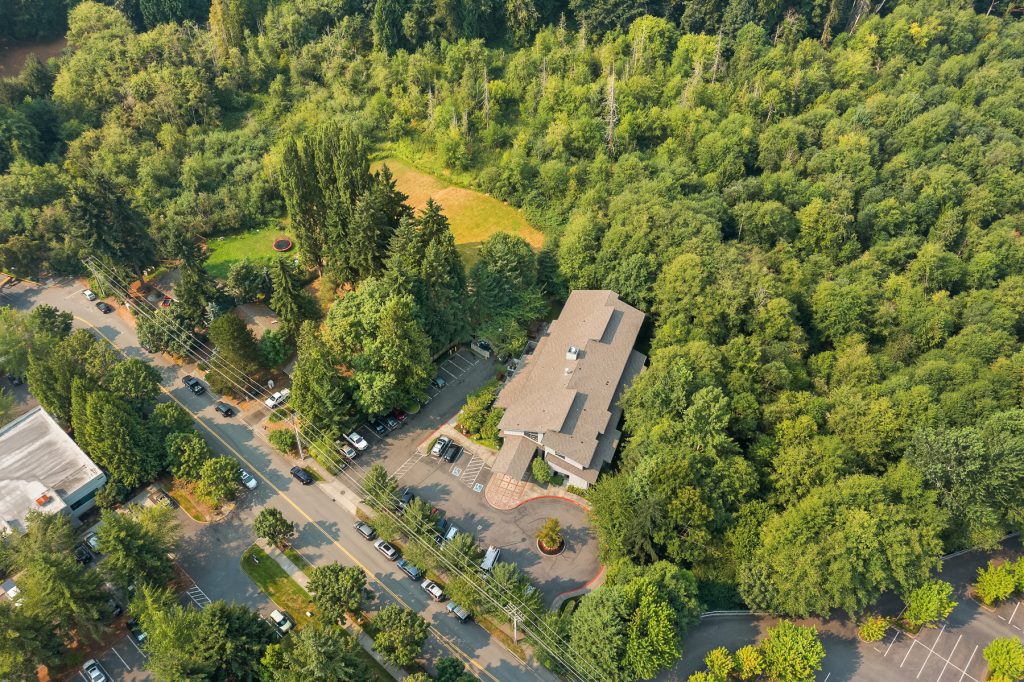


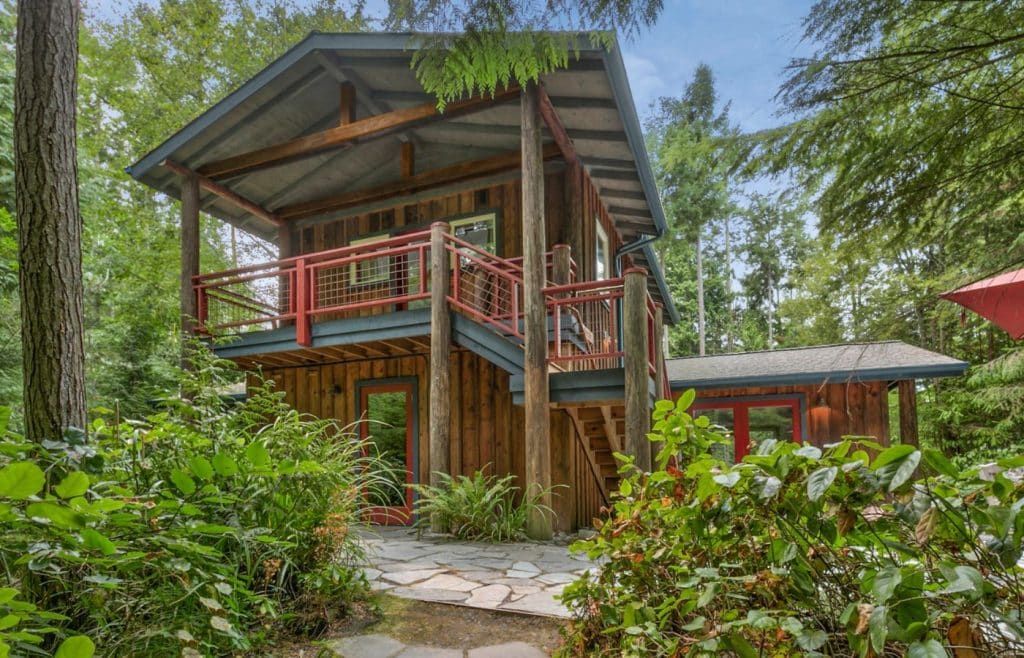
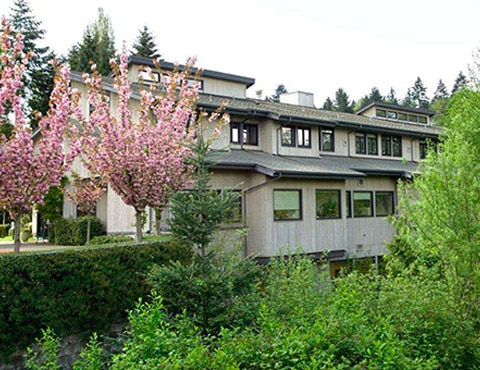
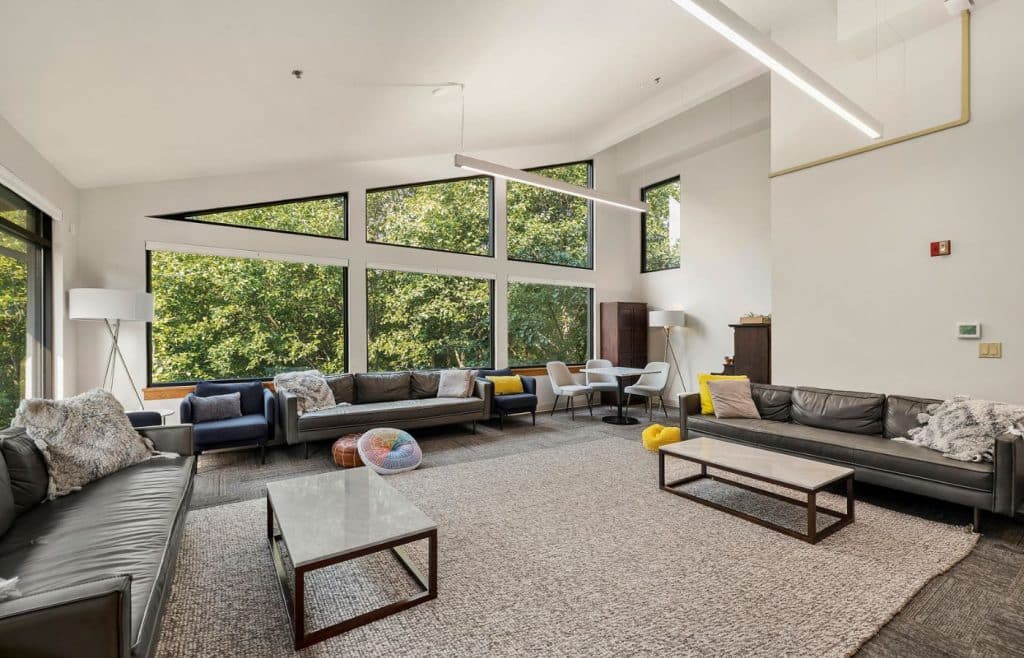
- Ages/Gender: Boys 13–20 (Port Townsend), Girls 13–18 (Kirkland), Coed Outpatient 13–18 (Seattle)
- Location: Port Townsend and Kirkland, WA
- Best For: Mental health and co-occurring disorders
- Key Strengths: Emphasis on family involvement, individual counseling, experiential therapies, and insurance coverage with major providers
2. THIRA Health
- Ages/Gender: Girls 13–17
- Location: Bellevue, WA
- Best For: Eating disorders, mood disorders, anxiety, and depression
- Key Strengths: Uses Dialectical Behavior Therapy (DBT) to build healthy coping skills
3. Imagine by Northpoint
- Ages/Gender: Teens 12–17
- Location: Seattle, WA
- Best For: Mental health and substance use treatment
- Key Strengths: Offers PHP and IOP programs, individualized plans including therapy, medication management, and mindfulness
4. Smokey Point Behavioral Hospital
- Ages/Gender: Adolescents
- Location: Smokey Point, WA
- Best For: Anxiety, depression, and interpersonal challenges
- Key Strengths: Trauma-informed care, family involvement, and aftercare planning
5. Polaris Family Behavioral Health
- Ages/Gender: Teens 13–18
- Location: Bellevue, WA
- Best For: OCD, anxiety, and related disorders
- Key Strengths: Cognitive Behavioral Therapy (CBT) and Exposure and Response Prevention (ERP)
6. Clarity Mental Health & Recovery
- Ages/Gender: Teens 12-18
- Location: Bellingham, WA
- Best For: Structured intensive care without overnight stays
- Key Strengths: Partial Hospitalization Program (PHP) with multidisciplinary support
7. Tamarack Center
- Ages/Gender: Teens 12–17
- Location: Spokane, WA
- Best For: Residential treatment with psychiatric care
- Key Strengths: 24/7 psychiatric care, family therapy, and a safe, supportive environment
8. Center for Discovery
- Ages/Gender: Ages 10–17
- Location: Edmonds, WA
- Best For: Eating disorder treatment
- Key Strengths: Residential, PHP, and online options with evidence-based therapies
9. New Story Integrated Mental Health
- Ages/Gender: Teens and families
- Location: Bellevue, WA
- Best For: Anxiety, OCD, ADHD, depression, and family dynamics
- Key Strengths: Comprehensive teen and family-focused programs
10. Kids’ Mental Health Pierce County
- Ages/Gender: Teen girls and boys
- Location: Pierce County, WA
- Best For: Individualized outpatient therapy
- Key Strengths: Individual therapy, group sessions, and family support
Frequently Asked Questions
Do most major insurance providers cover teen residential treatment in Washington?
Yes, many insurance plans and major insurance companies provide coverage for residential treatment programs, IOP, and PHP, but coverage varies. It’s important to verify insurance coverage and in-network providers before enrolling.
What types of therapies are commonly used in teen residential treatment?
Evidence-based therapies such as CBT, DBT, and EMDR are commonly used. These therapies help teens change unhelpful thought patterns, manage emotions, and address trauma.
How involved are family members in the treatment process?
Family involvement is a critical component of recovery. Most programs include family therapy sessions and aftercare planning to support better relationships and sustained progress.
What makes a residential treatment program different from outpatient care?
Residential treatment provides 24/7 supervision, intensive support, and a structured environment, which is essential for teens at risk of self harm or with severe symptoms. Outpatient care allows teens to live at home and attend school while receiving therapy.
Get Help for Your Teen Today
Finding the right Washington teen treatment center can be life-changing for your family. Contact Newport Academy or any of the listed providers to discuss your teen’s needs, insurance coverage, and treatment options. Early intervention with specialized care and experienced professionals offers the best chance for lasting recovery and healthier futures.