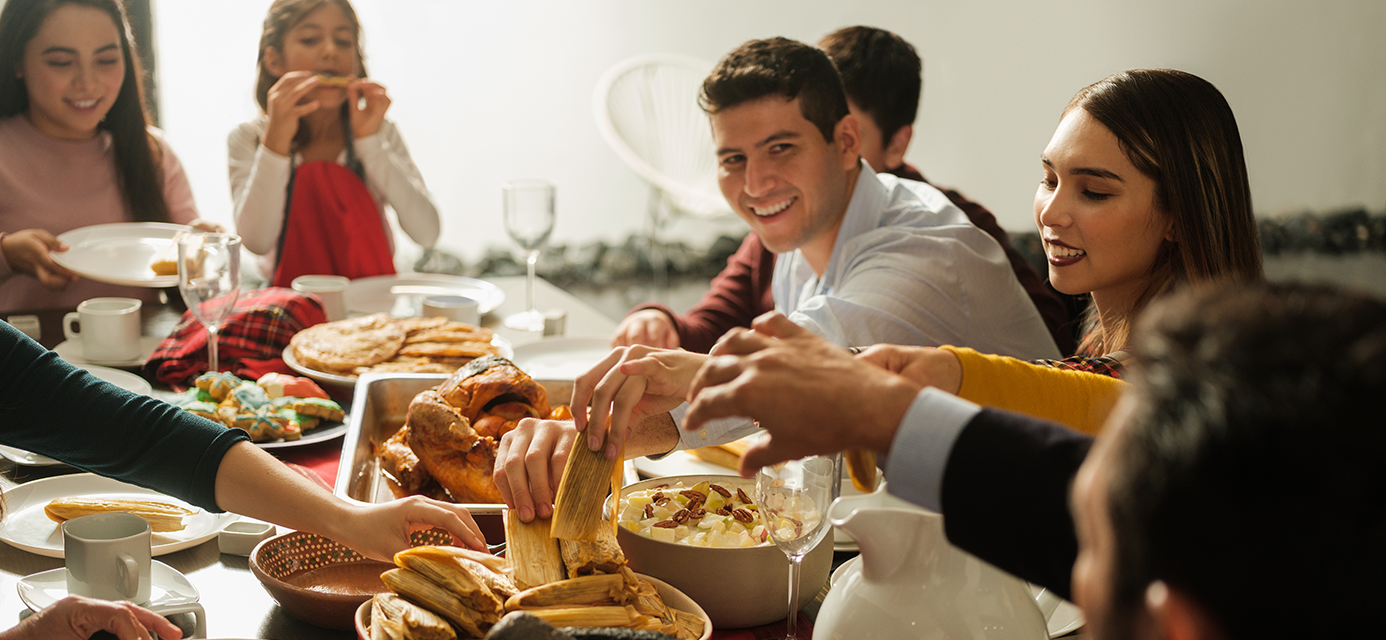
Families go through many transitions over the course of a lifetime. Roughly 50 percent of children in the US will experience their parents’ divorce. This can lead to a shift in family dynamics and, in many cases, the addition of other children and a new adult in their life when a parent remarries. Kids on both sides may need time to adjust to this new blended family, especially around the holidays.
Children and teens may deal with grief, anxiety, and even depression in the wake of changes in the family, emotions that are typical during a major life shift. But as a parent, you can help your child discover that there are benefits to having a blended family, particularly during the holidays.
In this article, we’ll explore the positive outcomes of divorce and remarriage, such as bonding with new siblings, having an extended support network, and starting new holiday traditions. While it may take some time, kids can begin to embrace a larger family and all of the love and support that come with it.
What You’ll Learn:
- How can you help teens navigate changes in the family?
- What are the benefits to having a blended family during the holidays?
- What can parents do if their teen is not adjusting well to new family dynamics?
- When is it time to seek treatment for your child?
Quick Read
When parents divorce and remarry someone with children, it creates a blended family. There can be challenges and benefits to blended families during the holiday season, particularly for teens adjusting to family changes after a divorce or other transitions. While kids may experience grief, anxiety, and mood swings, parents can help them recognize the positive aspects of their new family dynamics.
These benefits include bonding with new siblings, creating new holiday traditions, and having an extended support network. Overall, blended families can provide opportunities for fun, cultural experiences, and a larger support system, helping teens navigate this challenging time more positively. If your child is having a difficult time dealing with divorce, the addition of new siblings, or other life challenges, support from a mental health professional can help.
Questions?
We know that reaching out can be difficult.
Our compassionate team of experts is here to help.
Call us at 877-929-5105
or complete the form below.
Experiencing Changes in the Family
Changes in the family can have a strong effect on children and adolescents because it disrupts their sense of security and routine. Divorce, remarriage, loss of loved ones, moving, a parent’s deployment, serious illness or injury, and even financial troubles can lead to life shifts that children need help adjusting to.
Whether it’s by choice or an unavoidable circumstance, change can unsettle children and teens, leading to emotional and behavioral changes, including:
- Irritability
- Sadness and grief
- Increased anxiety
- Mood swings
- Isolation
- Emotional outbursts
- Disruptions in sleep patterns
- Risky behavior, including substance use
Helping Kids Through the Transition Period
Teens especially may be prone to acting out when they feel that their family life is being upended. They are grieving the loss the of the family they knew and perhaps are dealing with a parent who has moved further away as a result of the divorce. Adding new siblings can compound feelings of anger and loss. And kids may be unsure how to express these feelings in a healthy way.
It may seem natural to try to suppress teen tantrums or poor behavior with discipline. While discipline may be appropriate, depending on the situation, it’s also important to provide children and teens with support and adequate time to process all of the changes.
Supporting kids to work through their thoughts and feelings is the first step. The second is to help them see the positive aspects of the changes they’re experiencing. In the case of blended families, there are numerous benefits, especially during the holidays.
Read: How to Help Kids Navigate the Holidays After Divorce

What to Love About Blended Families at the Holidays
Bonding with New Siblings
Gaining new siblings can be like inheriting new friends. It can be interesting to learn more about a new sibling’s background and interests or hobbies. They may share tastes in music or play the same sports. These activities can bring young people closer together.
It may take some time for step-siblings to connect, and it may be tough at times, as all sibling relationships are. However, it can also be a lot of fun to navigate holiday chaos with new brothers or sisters. Memories will be made—intentionally or unexpectedly.
New Holiday Traditions
Teens may feel grief over the loss of certain traditions or the absence of a loved one during the holidays. But with a blended family, there’s an opportunity to start new holiday traditions that everyone can share. Whether it’s a gingerbread house–building contest, a holiday cookie bake-off, a tour of holiday lights, a movie marathon, or a flag football game in the yard, shared traditions can be exciting and provide an opportunity for family bonding.
Parents could encourage everyone to dress up for the festivities in matching pajamas, ugly sweaters, or crazy socks, to break any tension and add some fun. Creating these new traditions provides something to look forward to and participate in, especially when everyone is invited to share their ideas.
An Extended Support System
Having a blended family means more people to love you, and that includes more grandparents, aunts, uncles, cousins, nieces, and nephews. Teens may not know how to connect with all their new extended family members at first, but over time, they may start to recognize that their support system is bigger, which can help them restabilize after a significant family transition.
Extended family can mean more support and encouragement as teens become young adults. While not everything is going to be smooth or without incident, having additional family members to lean on can be very beneficial for adolescents in the long run.
Potential Travel Opportunities
When you’re in a blended family, you may have lots of family members who don’t live locally, which can provide travel opportunities during the holiday season. Travel offers teens a chance to gain new perspectives and experience a different pace of life. They can see and enjoy new things that they might not have been able to experience outside of a vacation.
While travel has its headaches, it can also be beneficial for teens to learn how to adapt to different circumstances. They can learn how to navigate airports and pass time on road trips, which are good skills to have as they become young adults.
Exposure to New Cultures and Cuisine
The more family you have, the more opportunity for fun you might have—and food. Blended families may have several sets of relatives to visit during the holiday season, and each one may have their own traditions and recipes to enjoy. If a remarriage involves someone who is a different ethnicity, this can be a gateway to new cultural and culinary experiences for your child.
Compassionate Mental Health Treatment for Teens
Is your teen having a difficult time processing a divorce or adjusting to a new blended family? If your teen has mental health symptoms that are getting worse or escalating into substance use or risk-taking behavior, it’s important to get support from treatment professionals.
At Newport Academy, we understand the needs of teens in the wake of family transitions. For those who are dealing with severe mental health symptoms, we address the root causes and provide compassionate treatment so that teens can rediscover their authentic selves.
Our expert clinicians walk with teens through their challenges and offer the guidance they need to adapt, grow, and thrive. To learn more about our program, contact us today.
Get Our Holiday Anxiety Guide
We’ve got tips and strategies to support you with seasonal stressors like:
- Dealing with family complications
- Coping with gift-giving anxiety
- Overcoming your inner Scrooge
- Finding the awe without the stress