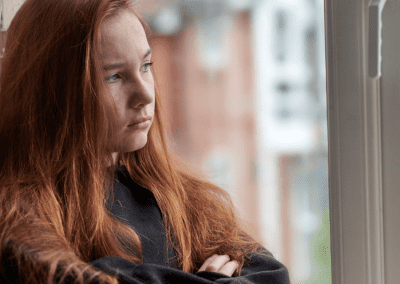
Situational depression is very much what it sounds like: depressive feelings and symptoms as a result of a specific situation. Essentially, this occurs when a stressful event or situation overrides a teen’s ability to cope. Hence, they are unable to adapt or adjust to the changes created by the stressor. That’s why this specific form of depression is also known as “adjustment disorder with depressive mood.”
In comparing situational vs. clinical depression, the main difference is that situational depression arises from a clear and identifiable stressor. On the other hand, clinical depression is typically the result of underlying causes such as childhood trauma and abandonment, in addition to genetic and biological tendencies.
Situational Depression vs. Major Depression
When researching this form of depression, parents may be reassured by knowing that symptoms are usually less severe and ongoing than those of major depressive disorder. Moreover, this type of depression usually lasts for no more than six months. In contrast, major depression can last for years.
However, this does not mean that symptoms of situational depression can be ignored. Thorough assessment and depression treatment are essential for this form of depression in teenagers. If it is not addressed, it can eventually lead to major depression.
Causes of Situational Depression
A variety of types of stressors can catalyze situational depression. These include the following:
- Chronic illness
- Divorce or death in the family
- Moving
- Difficulties in school
- A relationship breakup
- An accident or natural disaster
Identifying Symptoms of Situational Depression
Situational vs. clinical depression symptoms are similar. While not as severe as clinical depression symptoms, situational depression symptoms cause significant distress and interfere with daily functioning. Teens with this form of depression usually begin experiencing symptoms within three months of the stressful event or situation. These symptoms include the following:
- Sadness, frequent crying, and low mood
- Inability to concentrate
- Lack of motivation
- Withdrawal from social activities and other activities
- Having a hard time enjoying things or experiencing pleasure
- Feeling hopeless
- Fatigue and difficulty sleeping
- Anxiety and worry
- Weight loss and/or changes in appetite
- Suicidal thoughts.
In addition, for a teen to receive a diagnosis, the symptoms cannot be attributed to another condition, to a substance use disorder, or to the grieving process after the death of a loved one.
Everyday Habits to Help Alleviate Situational Sadness
Whether or not they are experiencing situational depression symptoms, teens can support their well-being during this time—and throughout life—with healthy, positive habits. These include eating well, exercising, getting out in nature, and practicing mindfulness. Simple breathing and movement practices can be very impactful for counteracting symptoms of depression.
As a parent armed with a clear understanding of this diagnosis, you can support teens who are suffering to get help before the problem gets worse. Once this disorder is addressed, teens can move into the future with resilience and a sense of hope.
Treatment for Depression
Because depression increases the risk of suicide, teens should receive treatment for depression of any type. Comprehensive, evidence-based treatment is most effective in addressing depression, including situational depression symptoms.
Depression treatment includes individual and/or group therapy, using scientifically validated modalities such as Cognitive Behavioral Therapy and Dialectical Behavioral Therapy. These approaches can help teens learn to reframe black-and-white ways of thinking that leave them feeling negative and hopeless about the future.
Moreover, family therapy can be useful in addressing situational depression. With the support of a therapist, the family can learn to make lifestyle changes that support healing. In addition, family therapy techniques like Attachment-Based Family Therapy heal ruptures in the family system. Thus, teens feel more comfortable going to their parents for support when they’re experiencing symptoms that go beyond typical teenage emotions.
Sources:
QJM: Int J Medicine. 2020 Jun.
4H + Harris Poll: Teen Mental Health, June 2020
Photo by Gabe Pierce on Unsplash