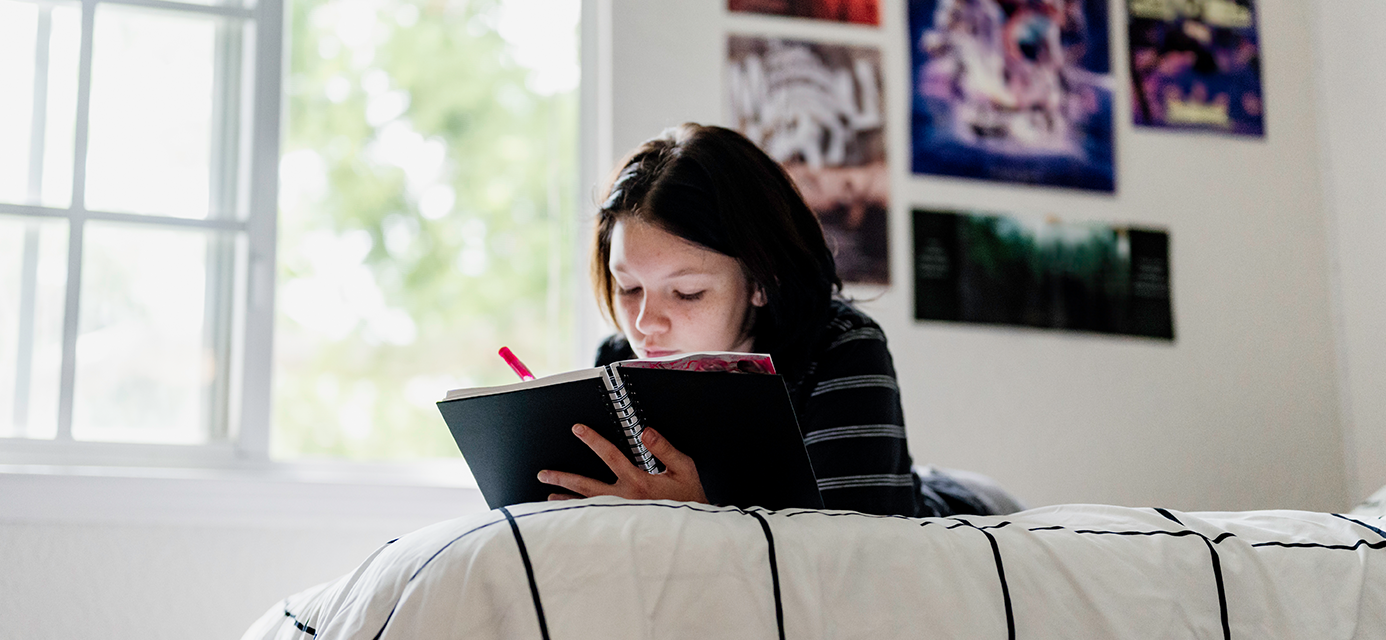
It’s common for teens to seek solitude, but when does quietness cross the line into something more serious? It can be tough to tell the difference between a naturally introverted teen and one who may be struggling with depression or anxiety.
In this article, we’ll look at what introversion really means, where it comes from, and how to distinguish between an introvert and a teenager who needs support for a mental health condition.
What You’ll Learn
- What are the upsides and downsides of being introverted?
- What’s the difference between teen introversion and social anxiety?
- Do introverts have a higher risk of depression?
- How can parents best support an introverted teen?
Quick Read
Understanding the difference between introversion and mental health disorders in teenagers is important. Introversion is a normal personality trait. Introverted teens prefer spending time alone and often have deep, meaningful relationships. They may be self-aware and creative but introverts can also struggle with negative thinking and social withdrawal.
Parents should look for signs that indicate whether their teen is simply introverted or facing mental health issues. Healthy introverts enjoy their alone time and maintain routines. In contrast, teens with mental health challenges may isolate themselves and show signs of sadness or loss of interest in activities.
To support introverted teens, parents can create a safe space that respects their need for solitude. Encouraging small social interactions can also help. It’s essential to recognize their strengths and know when to seek professional help if mental health concerns arise. This support can benefit their well-being and personal growth.
Questions?
We know that reaching out can be difficult.
Our compassionate team of experts is here to help.
Call us at 877-929-5105
or complete the form below.
What Does Introversion Really Mean?
Introversion is not a problem or disorder. It’s a natural personality trait where someone prefers spending time in their own thoughts rather than in big social settings. Somewhere between 25 and 50 percent of people in the United States identify as introverts.
Introverted teens recharge their energy by spending time alone or in quiet activities—not because they don’t like people, but because their brains process stimulation differently as compared to extroverts. This means they can get overwhelmed or anxious in highly social or noisy environments.
The Upside and Downside of Being Introverted
Introversion comes with some real strengths. Introverted teens often have a strong sense of self-awareness because they spend a lot of time reflecting on their emotions and thoughts. They might have fewer friends, but the friendships they do have tend to be deeper and more meaningful.
Introverts often have great focus, pay close attention to details, and are creative thinkers. That’s why many introverts excel in school or creative pursuits that reward independent work and thoughtful analysis.
However, research indicates that because introverted teens spend more time alone with their thoughts, they’re more likely to engage in rumination and negative thinking. Moreover, introverted teens are often shy as well, which may prevent them from connecting with peers—an essential part of adolescent development.
How to Tell If It’s Just Introversion or Something More
It’s a question many parents ask: Is my teen introverted, or could they be struggling with a mental health issue? The short answer is that introversion itself is not a disorder. But it’s important to watch for signs that might suggest depression, anxiety, or other concerns.
Healthy introversion means your teen enjoys alone time and feels refreshed afterward. They usually keep up with friendships (even if it’s just a few close ones), join family activities, and stay interested in hobbies or schoolwork. They also take care of themselves and stick to daily routines.
Warning signs include pulling away completely from everyone, losing interest in things they used to enjoy, significant changes in sleep or appetite, persistent sadness or irritability, dropping grades, or neglecting personal hygiene.
Differences Between Healthy Introversion and a Mental Health Concern
| Aspects of Functioning | Healthy Introversion | Mental Health Concern |
| Social Interaction | Selective but meaningful | Avoidance due to fear or apathy |
| Energy Levels | Restored by solitude | Persistently low regardless of rest |
| Daily Functioning | Maintains routines and responsibilities | Significant impairment in daily activities |
| Emotional State | Generally stable and content | Persistent sadness, anxiety, numbness |
| Interest Level | Engaged in select activities | Loss of interest in most or all activities |
| Duration | Consistent personality trait | Noticeable change lasting weeks or months |
Introversion vs. Depression or Anxiety
Sometimes the line between introversion and mental health concerns isn’t clear-cut. Introverted behaviors may resemble symptoms of a social anxiety disorder or depression.
Knowing your teen’s usual patterns—social habits, energy, emotions, sleep, and eating—is key. The American Academy of Pediatrics highlights that big changes from baseline often signal the need for professional help.
How Can You Tell If It’s Introversion or Social Anxiety?
Introverted teens usually choose alone time to recharge, but they can still join social situations comfortably when they want or need to. On the other hand, teens with social anxiety don’t prefer solitude—they avoid social situations because of intense fear.
Teens with social anxiety might worry excessively about social situations, avoid events, have trouble making eye contact, speak very softly, or experience physical symptoms like sweating or shaking when around others. They also tend to avoid social interactions altogether when possible.
What Makes Depression Different in Introverted Teens?
Depression in introverted teens can be harder to spot because they often keep their feelings inside. Instead of showing sadness or acting out, they might quietly withdraw even more than usual, get stuck in negative thoughts, or complain of headaches and fatigue without a clear medical cause.
Unlike more outwardly expressive depression, introverted depression is internalized. Teens may seem “just quiet” but are actually struggling deeply. They might pull away from even their closest friends and feel drained, no matter if they’re alone or with others. In contrast, introverts may withdraw during stressful times, but they’ll emerge once they’ve recharged.
Risk Factors Specific to Introverted Teens
Several factors can increase anxiety and depression risk in introverted adolescents:
- Misunderstanding and stigma: Introverts often face pressure to be more outgoing, which can lead to feelings of inadequacy or self-doubt.
- Limited support networks: Having fewer close relationships means introverted teens may have fewer people to turn to during tough times.
- Internal processing: While introspection can be a strength, excessive rumination can contribute to depressive thinking.
- Academic and social pressures: Schools that emphasize group work and verbal participation can create stress for introverted students.
Depression and Anxiety Signs in Introverted Children
Watch for concerning changes like:
- Moving from selective socializing to complete isolation, avoiding family and activities
- Significant drops in grades or school performance
- Dramatic changes in sleep or appetite
- Loss of interest in hobbies
- Emotional numbness or appearing disconnected
- Frequent unexplained physical complaints like headaches
How to Support an Introverted Teen
Supporting your teen doesn’t mean pushing them to be someone they’re not. Instead, celebrate their unique qualities, help them build on their strengths, and create an environment where they feel understood and valued.
Create safety and structure at home.
Make sure introverted teens have safe, quiet spaces where they can relax and recharge. Keep communication open but low-pressure, maintain consistent routines, and respect their need for alone time.
Recognize their needs and their strengths.
Validate their need for alone time, and encourage small steps toward socializing rather than big leaps. Highlight their strengths, like being a good listener or thoughtful friend. And support them to build resilience by encouraging self-advocacy and self-acceptance.
Help them strengthen communication and social skills.
Teach them how to start conversations about things they care about and how to set boundaries around their alone time without hurting others’ feelings. Encourage them to nurture quality friendships over quantity, and to engage in structured social activities like clubs or volunteer work that match their interests. One study found that social engagement while learning boosted self-esteem in introverted adolescents.
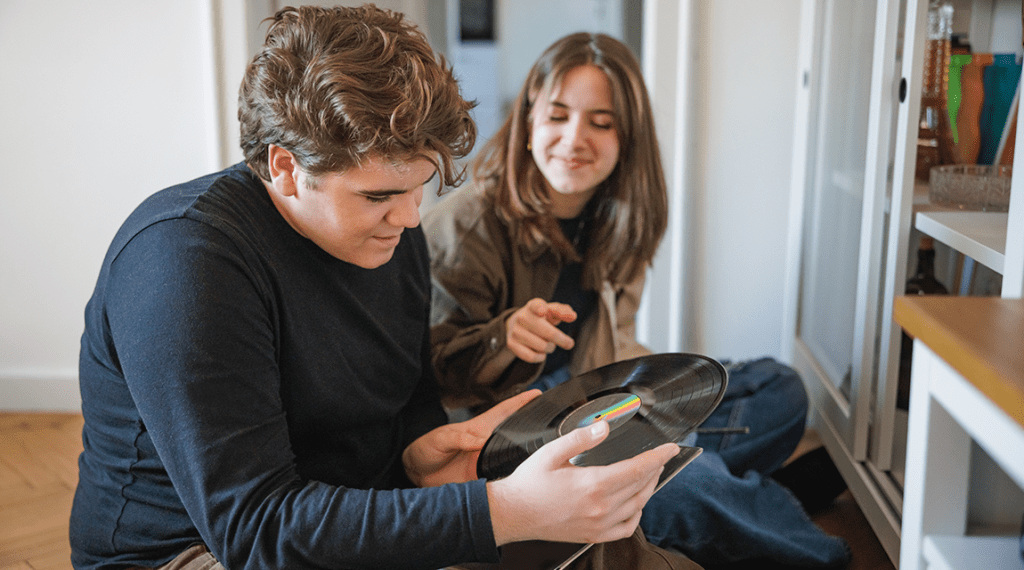
Recognize that they may feel just fine as they are.
It’s normal to worry if your teen has fewer friends or misses typical teen experiences, but remember that introverted teens often prefer a smaller circle and find fulfillment in different ways. Solitude doesn’t always mean loneliness, and introversion isn’t a barrier to future success.
When to Seek Professional Help
Knowing the difference between introversion and mental health issues is key to supporting your teen’s growth and well-being. While introversion is a healthy personality trait, real mental health concerns need attention and care.
If your teen’s behavior starts interfering with school, family life, or daily activities, or if you notice signs of self-harm, suicidal thoughts, or substance use, it’s time to reach out for professional help.
At Newport Academy, our experts will speak with you and assess your teen to understand what’s going on and tailor treatments that respect their personality and communication style. Our approach includes individual and group therapy suited to different comfort levels, family support, academics, and whole-person care that builds on your teen’s natural strengths.
Contact us today to learn more about our children’s and teen mental health programs.
FAQs
The root cause of introversion is not fully understood, but it is believed to be a combination of genetic, biological, and environmental factors. Introverts may have a different neurological makeup that makes them more sensitive to external stimuli, leading them to prefer solitary or low-stimulation environments. Personality traits, upbringing, and life experiences also play a significant role in shaping introverted tendencies.
An introverted teenager is a young person who tends to feel more comfortable in solitary or low-stimulation environments. They may prefer spending time alone or with a small group of close friends rather than engaging in large social gatherings. Introverted teens often reflect deeply on their thoughts and feelings and may require more time to process social interactions.
The most difficult age for a teenager can vary from individual to individual, but many experts suggest that ages 13 to 16 are particularly challenging. During these years, teens experience significant physical, emotional, and social changes, which can lead to increased stress, identity exploration, and peer pressure. However, some may find later teenage years equally challenging as they face the pressures of adulthood and independence.
To effectively deal with an introverted teenager, consider the following strategies:
- Respect their need for space: Allow them time alone to recharge.
- Encourage open communication: Create a safe environment for them to express their thoughts and feelings.
- Provide opportunities for socialization: Encourage participation in smaller group activities where they can feel more comfortable.
- Be patient: Understand that they may take longer to open up or may prefer quieter activities.
An introverted teenager is a young person who tends to feel more comfortable in solitary or low-stimulation environments. They may prefer spending time alone or with a small group of close friends rather than engaging in large social gatherings. Introverted teens often reflect deeply on their thoughts and feelings and may require more time to process social interactions.
An introverted teenager is a young person who tends to feel more comfortable in solitary or low-stimulation environments. They may prefer spending time alone or with a small group of close friends rather than engaging in large social gatherings. Introverted teens often reflect deeply on their thoughts and feelings and may require more time to process social interactions.
Shyness and social anxiety are related but distinct concepts. Shyness refers to a feeling of discomfort or awkwardness in social situations, while social anxiety is a more severe condition characterized by intense fear of social interactions and potential embarrassment. Individuals who are shy may not necessarily have social anxiety, but those with social anxiety often experience significant distress in social settings.
The four stages of introversion can be described as follows:
Connection: Introverts value meaningful connections and may form deep relationships with a select few rather than a wide social circle.
Self-Reflection: Introverts often spend time reflecting on their thoughts and feelings, leading to a deeper understanding of themselves.
Social Interaction: They may engage in social situations but often prefer smaller, more intimate gatherings over large groups.
Recharge: After social interactions, introverts typically need time alone to recharge their energy levels.
To determine if you have social anxiety or are just awkward, consider the intensity and duration of your feelings. Social anxiety involves intense fear of judgment and physical symptoms like rapid heartbeat, while awkwardness is usually temporary and situation-specific. If your anxiety significantly impacts your daily life, it may be worth consulting a mental health professional for further evaluation.
To determine if you have social anxiety or are just awkward, consider the intensity and duration of your feelings. Social anxiety involves intense fear of judgment and physical symptoms like rapid heartbeat, while awkwardness is usually temporary and situation-specific. If your anxiety significantly impacts your daily life, it may be worth consulting a mental health professional for further evaluation.
Sources
Behav Sci (Basel). 2025 Jan; 15(2): 108.
Front Psychol. 2020 Nov. 11: 10.3389.
National Institute of Mental Health
American Academy of Pediatrics