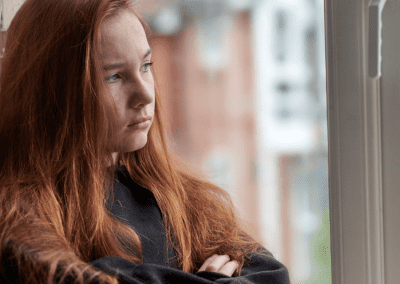
Teens in Florida are facing persistent mental health challenges. According to the CDC’s 2023 Youth Risk Behavior Survey, 40 percent of high school students nationwide reported feeling persistently sad or hopeless, with similar trends observed in Florida. Issues like depression, anxiety, and behavioral struggles have steadily increased since 2013 among adolescents, leaving many families searching for help.
Additionally, suicide is the second leading cause of death for teens aged 10–19 in the state, highlighting the need for comprehensive mental healthcare and support. Across Florida and neighboring states like North Carolina and Virginia, behavioral health facilities for teens are working to provide effective treatment to address these concerns.
If your teen is struggling, receiving the right mental health support can change—and even save—their life. Getting appropriate support helps teens address emotional and behavioral struggles while improving resiliency, coping skills, and family dynamics. The best Florida therapy services provide tailored combinations of individual care, family and group support, and evidence-based therapies to meet your teen wherever they are. From residential mental health facilities for youth in Florida to outpatient care, there are options for helping your teen heal and thrive.
Florida Teen Mental Health Statistics
Teen mental health is a concern for families nationwide, and Florida is no exception. According to the Equality Maps from the Movement Advancement Project, Florida’s LGBTQ+ youth face harsh additional challenges due to statewide policies and laws that fail to protect their mental and emotional well-being. Florida lacks nondiscrimination protections for LGBTQ+ individuals in areas like healthcare and education, which can lead to increased stigma, stress, isolation, and poor mental health outcomes.
The report highlights that LGBTQ+ teens in Florida are more likely to experience:
- Depression and anxiety
- Suicidal ideation and self-harm
- Bullying and discrimination in school
Additionally, according to Mental Health America’s latest report, Florida ranks 35th in the nation for levels of mental health issues in youth and accompanying access to mental healthcare. This reflects barriers like high treatment costs, stigma against treatment, lack of insurance coverage, and long wait times for appointments.
These challenges significantly impact daily life for teens and their families. Struggles with depression, anxiety, and trauma can impede a young person’s ability to focus on school, maintain relationships with friends and family, and engage in activities they once enjoyed. For many teens, mental health challenges manifest as persistent fatigue, irritability, loss of motivation, or alarming behavioral patterns, such as acting out or abusing substances. Early intervention and tailored, evidence-based programs can make a meaningful difference in improving mental health outcomes for all adolescents.
Questions?
We know that reaching out can be difficult.
Our compassionate team of experts is here to help.
Call us at 877-929-5105
or complete the form below.
Nationwide Teen Mental Health Statistics
There’s an ongoing teen mental health crisis in the United States. Since 2013, teen mental health has been steadily declining. While some statistics have improved since 2021, others have worsened. Data from the CDC’s 2023 Youth Risk Behavior Survey shows the following statistics:
- 40 percent of high school students felt persistently sad or hopeless.
- 53 percent of female students felt persistently sad and hopeless, and 27 percent seriously considered suicide.
- 18 percent of Hispanic students seriously considered suicide
- 10 percent of Black students attempted suicide.
- Nine percent of high schoolers were threatened or injured at school with a weapon
- 19 percent of students experienced bullying at school
- 13 percent of students missed school because of safety concerns
Suicide remains the second leading cause of death among individuals aged 10-24, with rates increasing by 60 percent over the past decade. That’s why support can be lifesaving. Teens who receive proper support and intervention can develop resilience, coping skills, and improved emotional well-being.
Reasons Parents Don’t Seek Care For Teen Mental Health
Despite the widespread need for teen mental health treatment in Florida and throughout the country, many families hesitate to seek professional support. Several barriers can prevent parents from accessing care for their teens, including:
Stigma Around Mental Health
Many parents are afraid of the social judgment or stigma that can come along with acknowledging their teen is struggling. These misconceptions about mental health often discourage families from seeking help.
Lack of Awareness
Parents may not recognize or fully understand the signs of mental health issues in teens, mistaking symptoms for typical teenage behavior or assuming it’s a phase.
Financial Constraints
Mental health treatment can be costly, and not all families have access to insurance or financial resources to cover therapy or residential programs.
Limited Access to Healthcare
In rural parts of Florida or surrounding rural states, there’s often a shortage of qualified mental health professionals, leading to long waitlists and reduced options. It can also be difficult to get to the proper healthcare facility if the closest one is hours away.
Denial or Minimization
Parents may downplay their teen’s challenges, hoping they will “get over” or outgrow the behaviors or emotions over time.
Fear of Disruption
Seeking treatment, especially residential care, can feel disruptive to a teen’s academic, social, or family life, which can cause hesitation to take action.
Addressing these barriers is crucial for ensuring that teens receive the care they need. At Newport, we’re here to provide families with education and resources to overcome these challenges so you can make the right decisions about mental health treatment.
How to Know if Teen Florida Behavioral Health Treatment Is Right for Your Family
The teenage years are a time of significant emotional and physical development. While some moodiness and rebelliousness are common, certain behaviors can signal deeper mental health issues that require professional treatment. Recognizing the difference between normal teenage challenges and mental health concerns can help you decide when professional support is needed.
Teen Mental Health Red Flags to Watch For
- Persistent sadness or hopelessness lasting more than a few weeks
- Increased isolation and withdrawal from family or friends
- Intense mood swings or outbursts of anger
- Changes in eating or sleeping patterns (e.g., excessive fatigue or insomnia)
- Declining academic performance or refusal to attend school
- Loss of interest in hobbies and activities they once loved
- Self-harming behaviors or talk of suicide
- Risk-taking behaviors such as substance use or reckless actions
- Physical complaints without medical explanations (e.g., headaches or stomachaches)
- Violent or aggressive behavior toward peers, family members, or animals
If your teen shows signs of these symptoms for more than a couple of weeks, it may be time to explore mental health facilities in Florida. Early intervention with comprehensive therapies and support often prevents more serious issues down the line and helps your teen regain stability and confidence.
Our Residential Addresses Near Florida and Throughout Southeastern US
What to Look for When Searching for Florida Therapy Services
Finding the right therapist or program for your teen can feel overwhelming, but knowing what to look for can help simplify the process.
Key Considerations When Choosing a Therapist or Treatment Center
- Qualifications: Look for therapists with advanced degrees in counseling, psychology, or social work, as well as licensure and clinical experience.
- Specializations: Ensure the therapist has experience working with adolescents and treating the specific challenges your teen is facing (such as anxiety, trauma, or certain behavioral issues.)
- Evidence-Based Approaches: Seek therapists or facilities that use proven methods, such as Cognitive Behavioral Therapy (CBT), Dialectical Behavioral Therapy (DBT), attachment-based therapy, and experiential therapies.
- Family Involvement: A strong treatment program includes family involvement and therapy to help rebuild healthy communication and relationship dynamics.
- Level of Care: Depending on the severity of your teen’s symptoms, you may need to consider residential treatment centers for teens outside of Florida or outpatient programs that offer more structured and comprehensive support.
- Location and Accessibility: Call to ask whether a potential therapy service has accessible locations and insurance coverage.
Our Residential Addresses Near Florida and Throughout Southeastern US
When researching mental health treatment centers Florida families can trust, don’t hesitate to ask for a consultation or meeting. Touring a facility, speaking with a therapist, and meeting staff can give you insight into their approach and help you decide if it’s the right fit for your teen.
Newport Academy’s Teen Treatment Program Near Florida
At Newport Academy, we offer comprehensive teen mental health treatment in states close to Florida as well as throughout the US. We provide a unique, comprehensive approach that addresses the mind, body, and spirit. Our programs combine evidence-based therapies with experiential activities and family involvement, ensuring lasting healing for teens and their families. Our behavioral health facilities near Florida provide individualized care that helps teens and their families heal together.
Customized Teen Mental Health Treatment
Each teen’s treatment plan is tailored to their unique needs at Newport. Our multidisciplinary teams include psychiatrists, therapists, nurses, and academic specialists who work together to provide the highest level of care. We offer treatment for a variety of mental health concerns, including:
- Depression and anxiety
- Trauma and PTSD
- Substance use disorders
- Self-harm and suicidal ideation
- Co-occurring conditions, such as eating disorders
Residential Treatment Centers for Teens near Florida
Our RTCs for teens ages 12–18 and children ages 7–11 near Florida offer 24/7 care for young people in peaceful, restorative environments. These programs are ideal for children and adolescents struggling with severe mental health issues that require a structured and immersive treatment approach. Residential treatment includes:
- Individual and group therapy
- Experiential therapies like art, music, and outdoor activities
- Family therapy to improve communication and address relational challenges
- Academic support to help teens stay on track with schoolwork
Outpatient Programs for Teens
For teens who don’t require residential care, Newport Academy’s teen outpatient programs provide structured support while allowing teens to remain at home. Our Partial Hospitalization Program (PHP) and Intensive Outpatient Program (IOP) include a mix of individual and group therapy, academic support (PHP only), and experiential activities designed to help teens build coping skills and confidence.

Treatment at Newport Academy
Newport Academy’s programs for troubled teens near Florida prioritize healing the whole person while also equipping families with the tools to support long-term recovery. Our trained staff can be reached 24 hours a day, 7 days a week to answer your questions and help you decide the best level of care for your teen. Call us today or come in to any of our centers for a free mental health assessment.
Frequently Asked Questions
Sources
State of Mental Health Report 2024
Movement Advancement Project