
Your teenager is struggling with some mental health issues that may even be life-disrupting. The ups and downs are frequent and becoming more extreme. You just want to see your teen happy again.
However, when you talk to them about receiving treatment, whether in the form of visiting a therapist or attending a residential treatment program, they’re resistant. No matter what you say, you seem like you’ll never convince them that they don’t have to continue to live like this, and that help is available.
There are many reasons why a struggling teenager may refuse treatment. By recognizing and acknowledging their feelings, you as a parent can create a safe space for open communication. And, knowing the specific reasons behind their refusal allows you to tailor your approach and help them understand the significant benefits of mental health treatment.
What You’ll Learn
- Why do some teens refuse treatment?
- How do you help your teen overcome the challenges to accepting treatment?
- What should you do if your teen is out of control?
- How do you talk to your teen about mental health?
Quick Read
When your teenager is facing mental health challenges that disrupt their daily life, it can be heartbreaking, especially if they resist the idea of seeking help. Understanding the reasons behind their reluctance is crucial. Many teens may not recognize their symptoms as serious or may fear the stigma associated with mental health labels. They might also worry about how treatment could affect their social life or feel insecure about discussing their feelings with a professional.
Several factors contribute to a teen’s refusal of treatment. Research shows that a lack of mental health knowledge and negative perceptions about seeking help are significant barriers. Social stigma and concerns about confidentiality in the therapeutic relationship also play a role. Additionally, practical issues like the cost of treatment and scheduling conflicts can deter teens from pursuing help. It’s essential for parents to approach these concerns with empathy and understanding.
To encourage your teen to accept treatment, modeling positive attitudes toward mental health care is vital. Openly discussing your own experiences with counseling can help demystify the process. Listening to your teen’s concerns without judgment and being transparent about your emotions can foster a supportive environment. It’s also important to choose the right moments to discuss treatment, ideally during calm times rather than during conflicts.
If your teen’s behavior becomes unmanageable or poses a risk to themselves or others, seeking professional help is imperative. Engaging in conversations about mental health before a crisis occurs can normalize the topic and make it easier for them to reach out for support when needed. Remember, everyone faces challenges, and addressing them early can lead to a healthier, more balanced life. If your teen is struggling, consider reaching out to mental health professionals for guidance and support.
Questions?
We know that reaching out can be difficult.
Our compassionate team of experts is here to help.
Call us at 877-929-5105
or complete the form below.
Understanding Teen Behavior
Teenagers are often seen as unpredictable. They’re experiencing a lot of changes in their bodies, feelings, and social lives while trying to figure out who they are. They can feel insecure one moment and overly confident the next.
While they develop their own views about the world, they also deal with issues like self-esteem, friendship problems, and the intense emotions that come with hormonal changes. Hence, it’s difficult for them to understand if the mental health symptoms they’re experiencing are normal or not.
Therefore, they may resist the idea that they are depressed or anxious because putting a label on what they are feeling might affect their social status.
Reasons a Teen May Refuse Treatment
Can a teenager legally refuse mental health treatment? The issue is complex and dependent on state laws and regulations. In general, parents can make the decision to send their child to treatment if they are a minor. However, in some states teenagers may have the legal right to consent to or refuse treatment at a certain age, which can range from ages 12–18.
There are a number of reasons a teen may refuse treatment. According to a systematic review of studies, both qualitative and quantitative, on why children and adolescents don’t seek professional help for mental health issues:
- Nearly all studies (96 percent) identified factors such as limited knowledge about mental health and negative views on seeking assistance.
- Social factors, including stigma and embarrassment, were noted by 92 percent of the studies.
- Around 68 percent highlighted concerns about the therapeutic relationship, including issues of confidentiality and trust with professionals.
- Systemic barriers, such as costs and availability of services, were mentioned by 58 percent.
Here is a breakdown of some of the reasons a teen might refuse treatment:
Uncertainty
If a treatment professional offers a diagnosis, what will that mean? Will they have to take medication? How will it feel? Will they lose the ability to relate to their friends or do the things they want to do? Uncertainty can disrupt a teen’s view of life and make them resistant to even taking the first step.
Stigma
Even though mental health awareness is at an all-time high, stigma still exists. Some teens may still feel like having a mental health issue could change the way that their friends see them—or how they see themselves.
Separation From Peers
Having to go to counseling or attend a treatment program might mean missing other opportunities that a teen would want to be involved in. From a logistical perspective, maybe they can’t attend games with their sports team or be involved in clubs that meet at certain times. Teens may worry that they are missing their favorite activities and losing valuable time with their friends.
Insecurity
Teenagers are often self-conscious and uninterested in processing their feelings out loud with someone else. Moreover, they may not want mental health discussions to come up at home, especially in front of friends or siblings. Questions like, “Did you take your medicine today?” might make them feel embarrassed or irritated, especially if they occur during a conflict or emotional outburst.
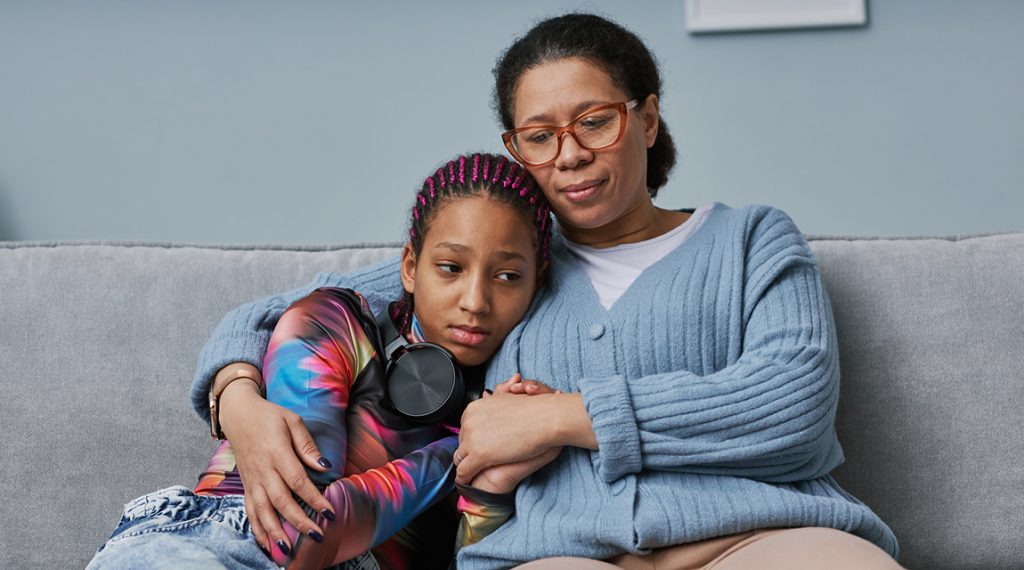
The Challenges of Accepting Treatment
So how do you get your teen mental health help when they refuse? Here are some options for lowering the barriers for a teen who needs therapy or a residential treatment program:
Model your values.
If you want your teen to go to treatment, but you yourself are resistant to going to counseling, your actions will speak a louder that words. Tell them that you are willing to go to counseling, either on your own or in sessions with them. If they still refuse, you should make your own counseling appointments. At home, be open about what you’re learning.
Being open about your own experience may increase your teen’s curiosity about the treatment process and create a path for them to attend therapy—willingly.
Listen to your teen’s concerns.
If your teen is willing to talk to you about why they don’t want to go to treatment, listen carefully, and don’t argue. Even better, write down what they say. At the end, tell them you understand and can work on helping them with these challenges.
Be open about your emotions.
You want to have good boundaries with your teenager, so not everything you feel should be shared with them; but plenty of regular emotional experiences can and should be communicated. If you had a bad day at work, say so—and tell them why. Tell them how it made you feel and how you responded. You don’t need to ask your teen about their feelings all the time; just demonstrate your openness, which could encourage them to open up.
When conflicts occur, disarm and de-escalate.
You might think that extreme incidents or major arguments present a good time to talk about treatment with your teen, but they usually aren’t. During a conflict, work on de-escalation. Don’t provoke them or try to persuade them. The next day, approach them when all is calm, and say, “We need to talk about what happened yesterday. Let’s understand each other better and find some solutions so that this doesn’t happen as often.”
If your teen is amenable, that’s the best time to talk about solutions in a thoughtful way, when the situation is not emotionally charged.
What to Do if Your Teen Is Out of Control
There may be times when a teenager’s behavior has gotten completely out of control and level-headed conversations are impossible. If they are physically abusive, making threats of violence, self-harming, talking about suicide, or frequently engaging in risk-taking behavior, you should reach out to treatment professionals for assistance and support. An intervention may be required to help your teen come to terms with the treatment experience.
Read: Mental Health Treatment for Teens: A Complete Guide to Finding the Right Care
How to Talk to Your Teen About Mental Health
The best time to talk to your teen about mental health is before a mental health crisis. Sometimes, however, things escalate faster than you think they will. Mental health conversations don’t have to be awkward and solely focused on your teen.
Begin with lots of small conversations about self-awareness, the importance of communicating with others, and knowing when to reach out for support. Tell them it’s normal to have ups and downs, but that if their mood swings are severe or life-disrupting, they shouldn’t keep it to themselves. Let them know that you want to support their health and wellness.
Conversation Starters
- Discuss your willingness to go to counseling, either on your own or with them, because you believe mental healthcare is important.
- Let them know you’re always available to listen and want to see them thriving.
- Share how everyone deals with these issues occasionally, and it doesn’t hurt to talk to someone; all you’re doing is having a conversation. Going to counseling doesn’t mean “you have a problem.” The truth is, everyone has problems. You either address your problems or wait until they become a crisis, which can feel a lot worse and have more consequences.
- Talk about the celebrities, athletes, and public figures who have been open about their mental health struggles and pursuit of treatment. From Michael Phelps to Selena Gomez, there are plenty of examples of well-known individuals who have sought treatment and support for what they were going through.
Your teen is likely hoping that their symptoms will go away on their own. You can tell them you hope that’s true. However, when symptoms escalate, it never hurts to seek counsel and consider your options. The path to feeling better and having a more balanced life in adulthood starts there.

Mental Health Treatment for Adolescents
At Newport Academy, we understand the mental health needs of teens. We know what they’re going through, what they care about, and the steps they can take to start thriving in life again.
Our compassionate, research-backed programs are designed to help children ages 7–11 and teens ages 12–18 who are struggling with depression, anxiety, PTSD, and co-occurring disorders. We equip young people with the tools they need for emotional regulation and long-term, sustainable healing.
If your teen is refusing treatment, and you need assistance having the conversation, we’re here to help. Contact us today.
Frequently Asked Questions
If your teen refuses therapy, there are few things you can do to change their mind. Be open to going to counseling yourself (or with them); listen to your teen’s concerns; talk about your day-to-day emotions and how you are handling challenges (to normalize discussion about thoughts and feelings); and try to de-escalate conflicts. Talk to your teenager about treatment during situations that are not emotionally charged.
Teens qualify for residential treatment when their symptoms are severe enough to impair daily functioning and can’t be managed through outpatient support. Common qualifying issues include suicidal ideation, self-harm, eating disorders, significant mental health challenges, and substance use disorders.
Conversations about mental health can start small. You can talk about self-awareness, the importance of communicating with others, and knowing when to reach out for support. Modeling how much you value mental health (which may mean going to a therapist yourself) can also speak volumes.
When talking to teens about mental health, create a safe and open environment where they feel comfortable sharing their feelings. Use active listening and validate their experiences without judgment, showing empathy and understanding. Encourage them to express themselves and remind them that seeking help is a sign of strength, not weakness.
Sources:
Eur Child Adolesc Psychiatry. 2020 Jan 21;30(2):183–211