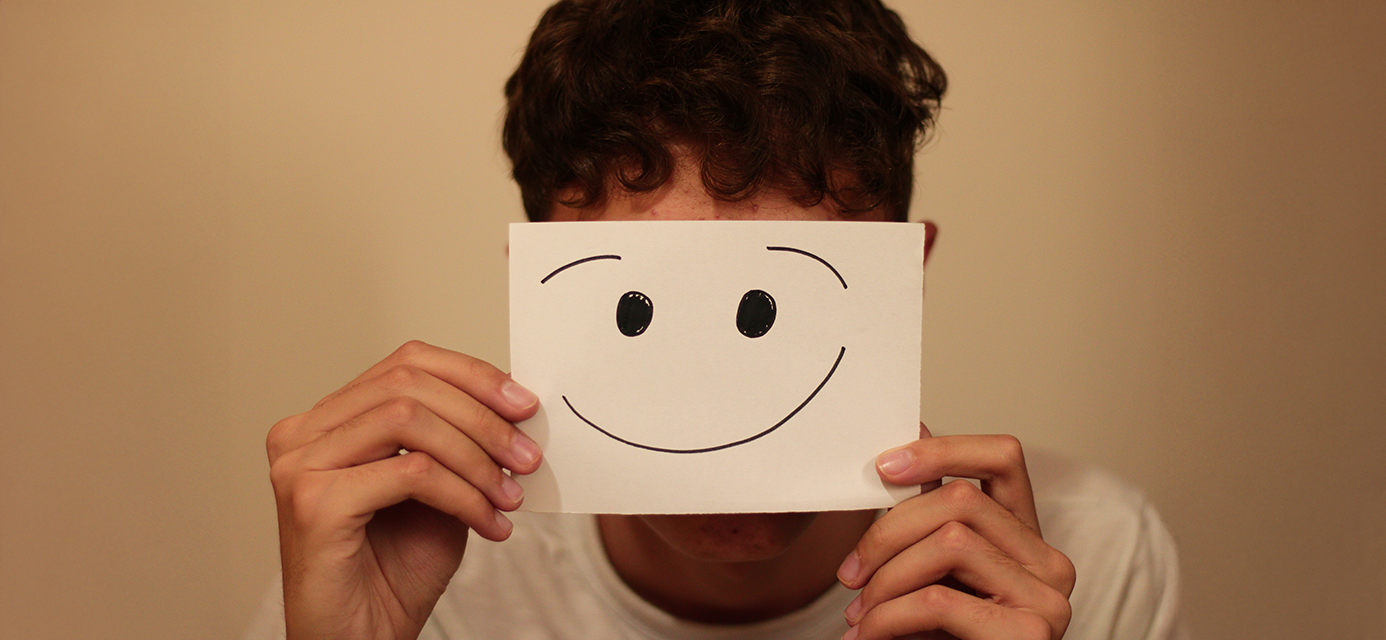
When teens suppress their true thoughts, feelings, and behaviors in order to fit in or avoid negative judgment from others, it’s known as masking. Teen mental health masking is a coping mechanism often adopted by teens with mental health challenges or neurodevelopmental conditions, like autism or ADHD.
Teens typically mask their symptoms and behaviors in order to feel a sense of social acceptance and safety. However, teen masking in adolescents can also lead to emotional exhaustion and make mental health issues worse.
What You’ll Learn
- What are mental health masking behaviors?
- What is autistic masking?
- What are the negative consequences of teen masking?
- How do you support teens who mask their symptoms?
Quick Read
Teen mental health masking is the act of concealing one’s true emotions and behaviors to fit in or avoid judgment. Teens with mental health issues or neurodevelopmental conditions, like autism or ADHD, may adopt this coping mechanism to avoid stigma and bullying.
While masking can provide a sense of social acceptance, it often leads to emotional exhaustion, burnout, and a disconnect from one’s authentic self. Over time, masking can worsen teen mental health, hinder relationships, and lead to physical symptoms like fatigue and headaches.
Supporting a teen who masks requires sensitivity and compassion. Creating a safe environment for open communication, actively listening, and validating their feelings can help. Professional treatment options, like those offered at Newport Academy, can help teens express their true emotions and heal from the effects of masking.
Questions?
We know that reaching out can be difficult.
Our compassionate team of experts is here to help.
Call us at 877-929-5105
or complete the form below.
What Are Teen Mental Health Masking Behaviors?
Masking is a learned behavior that looks different from person to person. For some, it may include adopting particular facial expressions and body language. For others, it’s more behavior focused. Here are some of the ways masking manifests in teens:
Overthinking social interactions: Analyzing past interactions, rehearsing responses, and constantly monitoring one’s behavior
Presenting a false persona: Creating a fabricated image of oneself to appear more socially desirable
Mimicking: Copying the facial expressions, gestures, or speech patterns of others
Suppressing emotions: Hiding feelings of sadness, anxiety, or anger to avoid appearing vulnerable or different
Controlling natural responses: Forcing eye contact, suppressing stimming behaviors (like hand-flapping), or avoiding natural reactions to sensory input
What Is Autistic Masking?
When autistic teens consciously or unconsciously suppress their natural behavior and responses, this is known as autistic masking. They know their reactions and behaviors may be viewed as inappropriate. Thus, they hide or control them in order to be accepted and fit in.
Some examples of autistic masking include:
- Memorizing and acting out social scripts and nonverbal body language they’ve seen in person or on TV
- Faking smiles or laughter when faced with uncomfortable situations or environments
- Quelling natural physical responses (such as flapping or rocking) to emotions and states of energy arousal
- Suppressing stimming behavior (the repetition of physical movements, words, or sounds to self-soothe)
- Resisting their own needs and preferences
- Relying on others to talk and make decisions when in a group
- Attempting to control all aspects of social situations to ensure greater predictability.
In some cases, autistic masking may prevent autistic adults (and children) from experiencing the stigma of autism. But the energy it takes to conceal their true identities takes a toll on their self-esteem and self-worth. Autistic women are especially at risk, as they mask to a greater extent than autistic men. Long-term masking can lead to serious physical and mental health problems.
10 Negative Consequences of Teen Mental Health Masking
Over time, teens who repeatedly mask their emotions, behaviors, and true selves may experience a variety of negative consequences. These include:
- Increased Stress and Anxiety: Constantly hiding one’s true feelings can lead to heightened stress and anxiety levels. The effort to maintain a facade can be exhausting and overwhelming for teens.
- Emotional Exhaustion: Masking emotions can lead to emotional fatigue, making it difficult for teens to engage in daily activities or enjoy life.
- Isolation and Loneliness: Teens who mask their mental health issues may feel disconnected from peers, leading to feelings of isolation and loneliness. They may struggle to form genuine connections with others.
- Delayed Help-Seeking: When teens mask their struggles, they may not seek help or support from friends, family, or mental health professionals, leading to untreated mental health issues that can worsen over time.
- Increased Risk of Substance Use: Some teens may turn to drugs or alcohol as a way to cope with their unaddressed mental health issues, leading to potential substance abuse problems.
- Impact on Academic Performance: The stress of masking can affect concentration, motivation, and overall academic performance, leading to declining grades and increased absenteeism.
- Development of Additional Mental Health Issues: Prolonged masking can make existing mental health symptoms worse or contribute to the development of additional mental health conditions, such as depression, anxiety disorders, or eating disorders.
- Identity Confusion: Teens may struggle with their sense of self if they feel they must hide their true emotions and experiences, leading to confusion about their identity and self-worth.
- Physical Health Issues: Chronic stress and emotional suppression can manifest in physical health problems, such as headaches, gastrointestinal issues, or weakened immune function.
- Risk of Crisis Situations: In extreme cases, the pressure of masking can lead to crises, including self-harm or suicidal thoughts, as the teen may feel trapped and unable to cope.

Masking and Teen Depression
One example of masking is what’s known as smiling depression. This type of depression is marked by an absence of visible symptoms. Teens with smiling depression may appear cheerful on the outside and do well at school. Moreover, they may succeed socially, maintaining a large circle of friends. But they deliberately hide their melancholy and despondency because they fear how others will perceive them.
Smiling depression is not formally recognized as a disorder by the Diagnostic and Statistical Manual of Mental Disorders. But it can have life-threatening consequences. Teens who hide their distress and don’t seek help may eventually experience a mental health crisis.
How to Support Teens Who Mask Mental Health Symptoms
Supporting a teen who is masking their mental health symptoms requires a compassionate and understanding approach. First and foremost, it’s essential to create a safe and non-judgmental environment where the teen feels comfortable expressing their feelings. Parents, mentors, and other trusted adults can ask open-ended questions and actively listen without interruption or judgment.
It’s important to let them know that they are not alone in their struggles. Regular check-ins and demonstrating genuine interest in their well-being can help build trust and make them feel valued.
Additionally, encouraging professional help can be a crucial step in supporting a teen who is masking their mental health symptoms. Gently suggest that they speak with a therapist, emphasizing that seeking help is a sign of strength rather than weakness. Ultimately, being patient and consistently showing support can empower the teen to gradually open up and seek the help they need to address their mental health challenges.

Mental Health Treatment for Teens
At Newport Academy, we provide a safe and nonjudgmental space for your teen to talk about their thoughts and feelings. As they build self-compassion and resilience, teens come to realize that it’s okay to stop masking and step into their true, authentic selves.
Our family therapy component strengthens communication and connection between parents and children. Group therapy with other teens who have similar experiences helps teens feel less alone. In fact, sometimes residential treatment is the first time that teens feel a sense of belonging and connection.
Contact us today to get started.