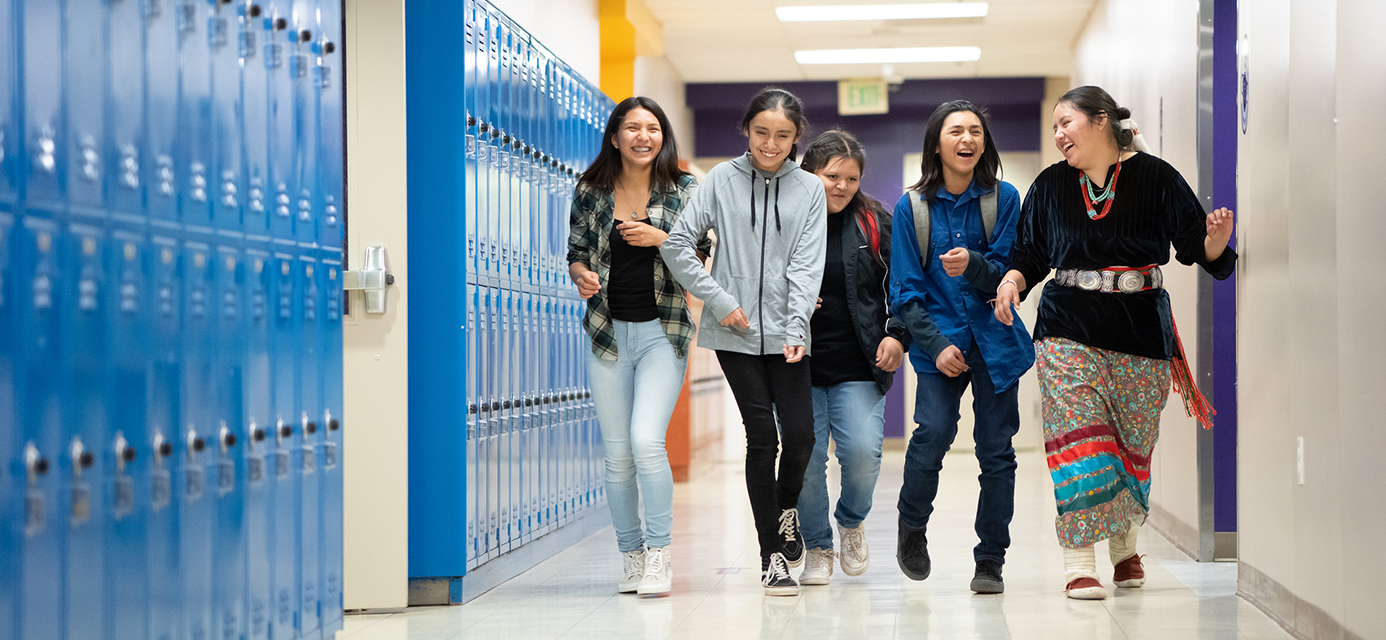
According to recent statistics, nearly 1 in 4 Indigenous teens has contemplated suicide. And about 12 percent have made a suicide attempt. Indigenous teens face various risk factors when it comes to mental health, including limited access to treatment, a legacy of generational trauma, and introduction to alcohol and marijuana at younger ages than the general population.
But research indicates that intervention during the teen years can positively impact the trajectory of Indigenous youth. Action is needed on the part of community and government organizations, parents and caregivers, and policymakers to address the findings of this research. This includes the understanding that one of the most powerful ways to prevent suicide among Indigenous Americans is to provide support that reinforces their cultural values and strengthens their community ties.
Key Takeaways
- In the last 20 years in the US, Native Americans and Alaska Natives have experienced a higher increase in suicide risk than any other population.
- In 2023, nearly 25 percent of indigenous teens contemplated suicide in the past year, and nearly 12 percent attempted suicide.
- Factors like substance use, generational trauma, loss of cultural identity, and less access to treatment contribute to mental health issues among Indigenous youth.
- Research shows that intervention during the teen years can positively impact the trajectory of many Indigenous people.
Statistics on Indigenous Adolescent Mental Health and Suicide Risk
According to the Centers for Disease Control and Prevention (CDC), Native Americans and Alaska Natives have seen the largest increase in suicide risk since 1999. Between 1999 and 2017, female Indigenous Americans experienced a 139 percent increase in suicide risk, while male Indigenous Americans experienced a 71 percent increase. The CDC reports that, in 2022, non-Hispanic American Indian/Alaskan Native (AI/AN) people had a suicide rate 91 percent greater than the general population.
The Office of Minority Health for the US Department of Health and Human Services provides more facts related to the mental health and suicide risk of Indigenous people in America:
- In 2021, the suicide rate among indigenous females aged 15–19 was 5 times greater than that of non-Hispanic white females in the same age group.
- Suicide was the second leading cause of death among indigenous people under the age of 34, according to 2022 statistics.
- A 2023 survey found that approximately 15 percent of indigenous people over 18 reported experiencing severe psychological distress in the past year.
- The same data set showed that nearly 25 percent of indigenous teens contemplated suicide in the past year, and nearly 12 percent attempted suicide.
Questions?
We know that reaching out can be difficult.
Our compassionate team of experts is here to help.
Call us at 877-929-5105
or complete the form below.
Why Is the Risk of Suicide Higher Among Indigenous People?
Across the US, there are 9.7 million people who identify as Native American or Alaska Natives, belonging to approximately 574 recognized tribes. Adversity and Resilience Science reports that among Indigenous Americans, adverse childhood experiences are common. Factors including substance use, family instability, and loss of cultural identity contribute to well-being issues among Indigenous youth.
Furthermore, Indigenous people experience ongoing discrimination, stereotyping, and prejudice. This explains why Native youth are 2.5 times as likely to experience trauma as their non-Native peers, according to the US Department of Health & Human Services. This contributes to high rates of suicidal ideation and death by suicide—to the point that suicide has become almost normalized in some Indigenous communities.
The National Alliance on Mental Illness (NAMI) pinpoints three reasons why mental health issues and suicidal ideation are more pervasive in Indigenous communities:
- Generational trauma: Within specific populations, trauma can be passed down between generations and internalized in the community. Younger generations can feel the burden of what their ancestors and parents experienced, without knowing how to resolve it. As a result, they can develop an impaired sense of personal and cultural identity.
- Cultural stigma: Myths and misunderstandings about mental health issues and suicidal ideation may prevent people from seeking treatment. This is especially true for teens, who have less ability to access care on their own, as they are still largely dependent on their parents and community.
- Limited access to resources: For those who live on reservations or treaty land, fewer mental health and healthcare resources may be available, reducing mental health education and awareness.
“Within the Indigenous community, it is alarming how normalized suicide and suicidal ideation have become. The time for action is now, and with a clear understanding of the underlying issues, we can help provide tools and professional help to combat this trend and instead normalize healthy lifestyles and seeking support when needed.”
—Robert Doore, MBA, National Tribal Relations Specialist, Newport Healthcare
According to NAMI, stigmatized cultural ideas about suicide may include:
- Fear that talking about suicide will make it happen
- Trivializing suicidal ideation as something that is a phase or will pass
- Viewing suicide as a cry for attention rather than a cry for help
- Thinking that someone who talks about suicide can’t be talked out of it
- The idea that someone who has strong family relationships or dependents would never go through with their suicide plan
The Effects of Generational Trauma on Indigenous Teens
For Indigenous people, the impact of boarding schools on Native children has contributed to generational trauma and a loss of cultural identity. From the late 1800s to the mid-1900s, Native American children were separated from their families to attend these boarding schools, where they were not allowed to speak their tribal languages or wear clothing from their own culture. Additionally, many of these schools employed forced labor that resulted in the injury or death of children. These complex traumas leave lasting impacts on the psyche of individuals, successive generations, and communities as a whole.
Trauma can be passed down in communities as well as families. Research shows how the effects of parental trauma, religious persecution, and racial, tribal, or ethnic oppression can make their way into the lives of descendants. In some cases, children can take on the trauma of their parents or elders and incur a higher risk of developing mental health conditions and/or substance use disorders. This sets up conditions in which Indigenous teens are born into circumstances that already put them at risk.
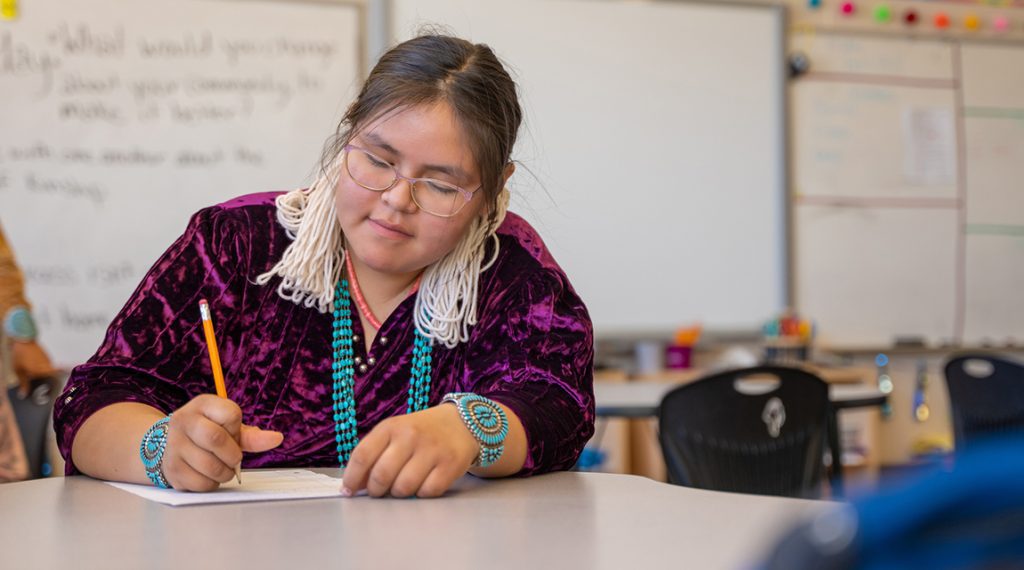
Suicide Risk in Indigenous Two-Spirit Teens
According to the Trevor Project, Indigenous LGBTQ young people report higher rates of mental health challenges compared to other LGBTQ young people. Within the Tribal community, this population often identifies as Two-Spirited. Within some Native tribes, Two-Spirit people are seen as gifted visionaries, because they carry two spirits with them, both male and female, and thus can see through both the masculine and feminine lens.
However, first boarding schools and later society in general pushed these youth into heteronormative roles, denying both their Two-Spirit and Native identities. Like all LGBTQ youth in the United States, this population has experienced ongoing stigma and lack of understanding, with an added layer of discrimination due to their intersectionality (i.e., both LGBTQ and Indigenous). Trevor Project data illustrates the negative impact on this group’s mental health:
- Three-quarters of Indigenous LGBTQ young people report symptoms of anxiety
- Two-thirds report symptoms of depression
- More than half of Indigenous LGBTQ youth report seriously considering suicide in the past year
- Nearly a quarter of Indigenous LGBTQ young people reported attempting suicide in the past year
To address these disproportionately high numbers, the Trevor Project recommends cultural competency training for healthcare providers, as well as increased funding to community services for Indigenous suicide intervention and prevention initiatives. In fact, Tribal cultural competency is vital for treating adolescents of all genders and sexual orientations.
In addition, family members, community leaders, and peers can make a positive difference in the lives of Indigenous youth. Indigenous LGBTQ young people who reported high levels of support from their families had significantly lower rates of attempting suicide in the past year (13 percent), compared to their Indigenous LGBTQ peers who reported low levels of family support (24 percent).
The Connection Between Substance Use and Suicide
When it comes to suicide risk, one of the issues facing Indigenous communities is the early first use of substances. The earlier a person is exposed to substance use, the greater their likelihood of substance misuse later in life. According to the journal PeerJ, many Indigenous people are introduced to substances earlier than the general population, and most commonly by family and friends. Although research is not conclusive, some evidence suggests that Indigenous people may have a higher risk of developing substance dependence due to genetics and heritability.
Moreover, a study in the journal Current Addiction Reports found that alcohol and opioid use disorders significantly increase the risk of suicidal ideation, attempts, and death. Hence, it’s crucial that Indigenous teens receive resources and support to curb substance use and address mental health concerns.
Anxiety and Depression Stats in Indigenous Youth
In alignment with suicide and substance use stats, research indicates that Indigenous youth have higher rates of depression and anxiety than their white peers. In a study on Native American and Alaska Native youth, early adolescents reported nearly twice the level of depression compared to non-Hispanic white teens. And these early adolescents also reported more anxiety than non-Hispanic whites and other racial/ethnic minority peers.
However, researchers have also pinpointed factors that support greater resilience among this population of young people. A recent study on anxiety and depression in Northern Plains American Indian youth (3rd–6th graders) found that fewer than 10 percent were experiencing symptoms of these disorders. The investigators attributed this to the fact that the participants in this study lived on a reservation and attended a Tribal school.
Hence, they spent more time in an environment made up of mostly AI students and staff, benefited from the support of an extended family/community, and had more opportunities to participate in traditional and cultural practices in the family and school settings, such as smudging or attending powwows.
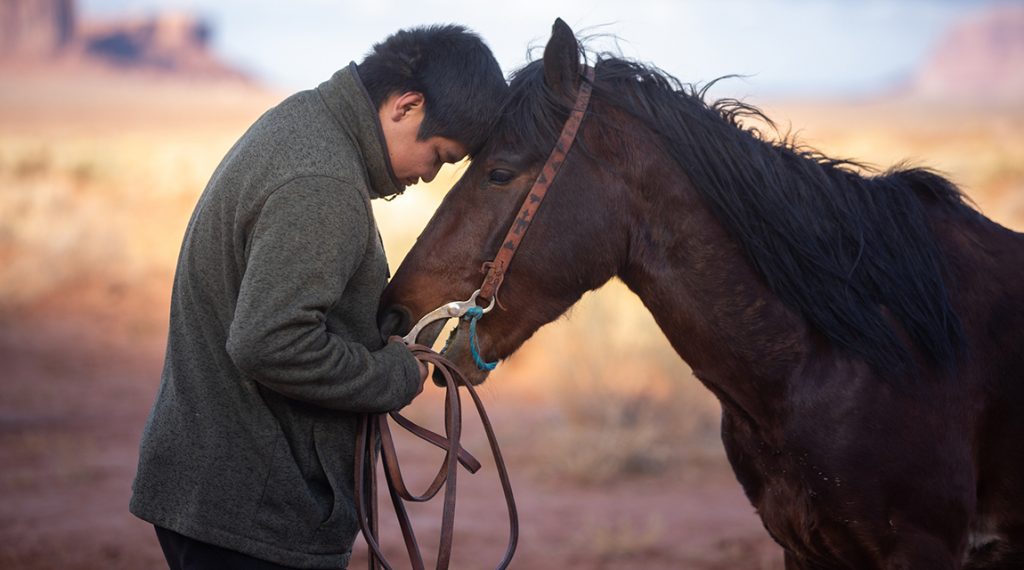
Improving Mental Health: The Power of Native American Communities
Native American and Alaska Native communities have rich cultural histories and strong identities that have sustained centuries of pressure, persecution, trauma, tragedy, and change. Reinforcing this identity and resilience is key to empowering Indigenous teens and lowering their risk of suicide. A sense of place and belonging, relational and cultural ties, and a solid personal and spiritual identity can help indigenous adolescents thrive.
For example, a research team from the University of Missouri School of Medicine followed Cherokee youth who participated in an educational program designed to connect them to their history, language, and culture. They found that the teens experienced statistically significant benefits to their health and well-being. Participants reported lower levels of stress, anger, anxiety, PTSD, and depression, as well as increased positive mental health.
“Focus group results from the program showed participants felt more confident, knowledgeable, healthy and more involved in their tribal community.”
Researcher Melissa Lewis, PhD
Learning more about mental health issues and healthy coping skills can also give Indigenous youth a chance to develop greater self-awareness and self-confidence, which can decrease rates of substance use and diminish suicide risk. Cultural stigmas surrounding mental health and suicide can be overcome with positive messages and positive Indigenous role models who can show them that reaching out for help as a sign of strength and supporting others can empower the community.
A Case Study: How New Mexico Shifted the Trend
New Mexico offers a case study of how focused interventions can make a meaningful difference. Home to 23 federally recognized tribes, the state saw a 56 percent increase in suicide rates among the Indigenous population between 2009 and 2018.
Following a rash of suicides among Indigenous youth in 2011, New Mexico passed a set of bills to create a clearinghouse of culturally centered Native American suicide prevention resources housed at the University of New Mexico. Called “Honoring Native Life,” the initiative coordinates efforts across tribes, and facilitates data collection, grant writing partnerships, and capacity building, according to Native News Online.
In 2022, the state launched the 988 crisis line, and made a concerted effort to share this resource with Indigenous communities by holding a tribal symposium on the 988 system, and working with Honoring Native Life to create culturally appropriate 988 promotion materials that can be tailored to each tribe’s individual cultural needs.
The result: The state saw a 43 percent decrease in Native American suicide rates from 2022 to 2023, according to the New Mexico Department of Health (NMDOH) Center for Health Protection. The drop was nearly five times the state’s overall 9 percent reduction in suicide rates during the same period.
“Tribal communities are reclaiming their narrative from a strength-based perspective. We’re seeing the data starting to shift as we talk more about the strength and the resilience within communities and how vibrant and rich cultures, traditions and languages are, and how all of that adds to overall life improvement.”
Dr. Diedre Yellowhair (Diné), Assistant Professor at the University of New Mexico, in Native News Online
How Newport Academy Supports Indigenous Teens Through a Family-Based Approach
At Newport Academy, our treatment approach focuses on what teens need to overcome challenges and thrive in their lives. In addressing the issues that Indigenous teens face, we consider the context of historical and generational trauma, and provide compassionate mental healthcare from a place of cultural humility and respect. We provide what Doore calls “culturally intelligent behavioral health.”
To treat depression and prevent suicide among indigenous adolescents, we use a family-based approach to heal wounds within family relationships, so teens feel safe turning to their relatives and communities for support. Attachment-Based Family Therapy (ABFT) is a foundational element of our programming. ABFT supports young people to rebuild trust and connection with parents, caregivers, and other family members. Healing these family relationships is critical to achieving long-term recovery from mental health and substance use disorders.
Newport’s family therapists are trained by a Certified ABFT Trainer and Supervisor, and receive ongoing supervision in this empirically supported modality. ABFT is designed to:
- Reduce adolescent and young adult depression and suicidality by strengthening the caregiver-child relationship
- Establish family as a strong support system for young people, so they can turn to them when struggling
- Repair attachment wounds between a teen or young adult and their parents/caregivers, which may have occurred in childhood or that developed as a result of mental health issues or other traumas
We Can Help You to Get Started Today
When an Indigenous family member, school professional, or mental health professional contacts our Admissions Team, we’ll guide them each step of the way to find the right care for a child, teen, or young adult. After that first call, you’ll have resources to draw from and actions to take immediately to help a young person who’s struggling.
If Newport is the right fit, we’ll assist you in verifying your insurance and starting the admissions process. If not, we’ll provide you with other options and ensure you have a path forward.
To support families in paying for treatment, we collaborate with Tribal divisions to optimize access to care for teens and their families. Get in touch with us today to learn more and start the healing journey.
Frequently Asked Questions
Sources
Peer J. 2023 Nov; 11: e16482.
J Clin Child Adolesc Psychol. 2022 Oct 7:1–13.
Advers Resil Sci. 2022 May 23;3(2): 113–147.
Int. J. Environ. Res. Public Health. 2022; 19(13): 8018.
Am Indian Alsk Native Ment Health Res. 2017; 24(2):1–17.
Am J Psychiatry. 2013 Feb 1; 170(2): 154–164.