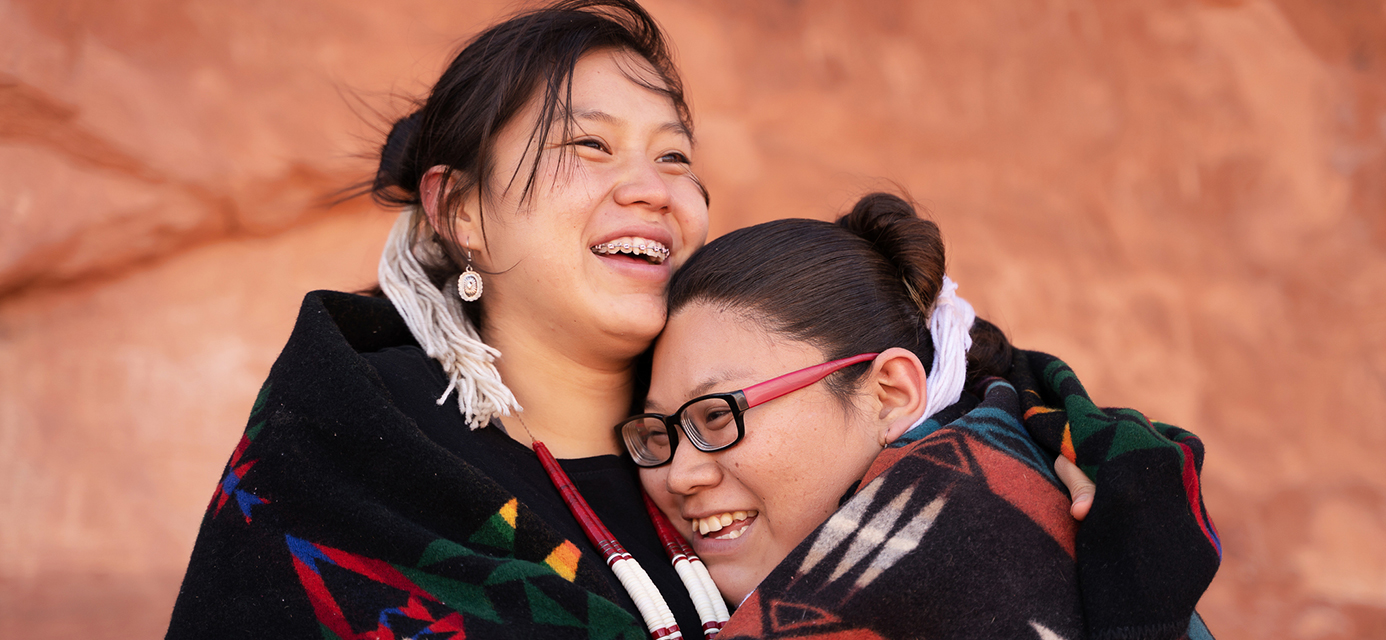
Growing up can be challenging for any teenager. But for Indigenous youth, the journey of adolescence and emerging adulthood includes carrying the weight of generations of pain and resilience.
Historical trauma not only affects individuals—it shapes entire communities and influences how young people see themselves and their place in the world. This helps explain why Indigenous youth have higher rates of mental health conditions and suicide attempts.
Healing approaches for this population are most effective when they include both therapy and community support. Understanding historical trauma and how it affects Indigenous children, teens, and young adults is essential for supporting youth mental health and creating pathways toward healing.
What You’ll Learn
- What is historical trauma?
- What types of historical trauma have been passed down to Indigenous youth?
- What are the mental health impacts of generational trauma?
- What pathways to healing are most effective for Indigenous youth?
Quick Read
Indigenous youth face unique challenges during adolescence due to the burden of historical trauma. This trauma stems from centuries of oppression, including forced removal from lands, cultural suppression, and violence, which has led to higher rates of mental health issues and suicide attempts among Indigenous populations. The impact of these experiences is felt not just by individuals but also by entire communities, shaping how young people perceive themselves and their place in the world.
Healing for Indigenous youth requires a multifaceted approach that combines therapy with community support. Effective strategies include culturally competent mental healthcare that respects Indigenous traditions and values. Programs that reconnect youth with their cultural heritage, such as language revitalization and traditional ceremonies, play a crucial role in fostering resilience and identity, helping to counteract the effects of historical trauma.
Despite the challenges, Indigenous communities are actively developing innovative healing initiatives. These include talking circles, mentorship programs, and family healing initiatives that address intergenerational trauma. By leveraging their cultural strengths and fostering supportive relationships, Indigenous youth can heal from historical trauma and build a brighter future for themselves and their communities.
Questions?
We know that reaching out can be difficult.
Our compassionate team of experts is here to help.
Call us at 877-929-5105
or complete the form below.
What Is Historical Trauma and How Does It Affect Communities?
Historical trauma refers to intergenerational pain that goes far beyond individual experiences. It’s not just about what happened to one person or one family—it encompasses the cumulative emotional wounds passed down through generations.
Historical trauma in Indigenous communities stems from centuries of systematic oppression. This includes events such as forced removal from ancestral lands, the destruction of cultural practices, and policies designed to eliminate Indigenous ways of life. These experiences created deep wounds that continue to affect families today, manifesting in feelings of disconnection, grief, and hopelessness.
Research shows that nearly half of Indigenous adults born in the United States report thinking about historical losses weekly, daily, or several times a day. This demonstrates how present these historical experiences remain in daily life, even generations later.
Historical Trauma in Indigenous Communities
Historical trauma in Indigenous communities is the result of violations against Indigenous peoples that continued for centuries. These transgressions were designed to destroy Indigenous cultural identity and break the connections between Indigenous people and their traditions, languages, and lands.
Understanding the scope of these experiences requires examining how various mental health disorders can develop when entire populations face systematic oppression. The clinical understanding of these conditions has evolved significantly as researchers recognize that traditional diagnostic criteria often fail to capture the unique presentations of trauma in Indigenous populations.
Psychology explains how trauma responses can become embedded in family systems and cultural patterns, sometimes in ways that people don’t even realize. Our brains adapt to prolonged stress in ways that can influence how we parent, how we form relationships, and how we view the world. Subsequent generations inherit both the biological and behavioral patterns shaped by their ancestors’ experiences.
Sources of Historical Trauma
Collective trauma disrupts cultural systems that once provided natural resilience and healing mechanisms. Some of the most significant sources of historical trauma for Indigenous communities include:
- Boarding schools and forced assimilation: For more than a century, Indigenous children were forcibly removed from their families and placed in boarding schools where they were forbidden to speak their language, practice their religion, or maintain connections to their culture. These transgressions continue to affect families today. Research shows that familial boarding/residential school history doubles the likelihood of experiencing depression symptoms.
- Land dispossession: Indigenous peoples lost millions of acres of ancestral lands through broken treaties, forced relocations, and government policies. This loss wasn’t just about property. It severed spiritual and cultural connections that had existed for thousands of years.
- Cultural suppression: Laws banned Indigenous religious practices, languages, and cultural ceremonies. People could be imprisoned for practicing their traditional ways of life.
- Violence and genocide: Indigenous communities experienced systematic violence, including massacres, forced sterilization, and other forms of physical and psychological abuse.
The ‘Soul Wounds’ of Historical Trauma
These experiences created what researchers call “soul wounds”—injuries to the very core of Indigenous identity and community life. The effects of historical trauma can be seen in higher rates of depression and anxiety among Indigenous populations today.
This form of trauma contributes to disproportionate mental health challenges because it disrupted the natural ways that Indigenous communities traditionally supported their young people. When cultural practices, languages, and family structures were attacked, it broke down the protective factors that had helped Indigenous youth thrive for generations.
Behavioral sciences have given us important insights into how these disruptions can have long-lasting effects. When traditional social structures that regulated behavior, provided meaning, and offered support systems were systematically dismantled, communities lost their natural frameworks for promoting mental wellness.
Because of that, healing isn’t just about addressing individual symptoms. It requires rebuilding the social and cultural contexts that support healthy development and resilience.
Effects of Historical Trauma on Indigenous Peoples: Mental Health Impact
The effects of historical trauma on Indigenous peoples include higher suicide rates among youth and increased rates of depression, anxiety, and problem substance use. Research shows these effects span multiple generations, creating patterns that affect families long after the original traumatic events occurred.
Mental Health Statistics
Recent studies reveal concerning patterns among Indigenous youth:
- Indigenous youth experience depression symptoms at significantly higher rates, with research identifying four distinct trajectories: 28.7% show low symptoms, 26.6% show decreasing symptoms, 22.4% show increasing symptoms, and 22.3% show persistently high symptoms.
- Suicide rates among Indigenous youth are higher than the national average for all youth.
- Indigenous adolescents experience higher rates of substance use compared to other ethnic groups.
How Trauma Gets Passed Down
Historical trauma affects youth through several pathways:
- Biological changes: Trauma can change how genes are expressed, meaning that the effects of traumatic experiences can be passed down biologically to children and grandchildren.
- Disrupted parenting: When parents and grandparents experience trauma, it can affect their ability to provide the emotional support and cultural guidance that children need.
- Loss of cultural protection: Traditional Indigenous cultures had strong systems for supporting youth through challenges. When these systems were disrupted, young people lost important sources of strength and identity.
- Ongoing discrimination: Indigenous youth continue to face racism and discrimination, which compounds the effects of historical trauma.
Addressing Historical Trauma: Pathways to Healing
- While the effects of historical trauma are real and serious, healing is absolutely possible. Indigenous communities across North America are developing approaches that combine traditional wisdom with modern understanding of trauma and mental health.
- Mental healthcare that is culturally competent, also known as culturally humble, recognizes the need for treatment that respects Indigenous knowledge and healing traditions. It takes into account the cultural and spiritual dimensions of well-being, as well as the psychological aspects.
- This approach acknowledges that healing happens within relationships and communities, not just in isolated therapeutic settings, and that reconnection with cultural identity often serves as a powerful protective factor against mental health challenges.
Healing from Historical Trauma in Indigenous Cultures
Healing from historical trauma in Indigenous cultures often involves reconnecting with traditional practices that were suppressed or lost. Many Indigenous communities are finding that their ancestral ways of healing are incredibly effective for addressing trauma. These include:
- Cultural revitalization: Learning traditional languages, participating in ceremonies, and connecting with cultural practices helps young people develop a strong sense of identity and belonging. When youth understand their cultural heritage, they often feel more grounded and resilient.
- Elder involvement: Traditional Indigenous cultures recognize elders as sources of wisdom and healing. Programs that connect youth with elders help pass down knowledge and provide intergenerational support.
- Land-based healing: Many Indigenous healing approaches involve connecting with the natural world. Time spent on traditional lands, participating in hunting, fishing, or gathering activities, and learning about traditional ecological knowledge, can be deeply healing.
- Ceremony and ritual: Traditional ceremonies provide structured ways to process difficult emotions, connect with community, and find spiritual support. Many communities are revitalizing ceremonies that were once banned or suppressed.
Community-Based Healing Initiatives
Indigenous communities are developing innovative programs that address historical trauma at the community level:
- Talking circles: These provide safe spaces for people to share their experiences and support each other. Talking circles follow traditional protocols that ensure everyone is heard and respected.
- Cultural education programs: Schools and community centers are developing curriculum that teaches accurate Indigenous history and celebrate Indigenous achievements and resilience.
- Mentorship programs: Connecting Indigenous youth with positive role models from their communities helps provide guidance and support.
- Family Healing Programs: Some initiatives work with entire families to address intergenerational trauma and strengthen family bonds.
Professional Treatment Approaches
Mental health professionals are learning to provide more culturally responsive care for Indigenous youth:
- Culturally adapted therapy: Therapists may incorporate Indigenous values, beliefs, and practices into treatment approaches. This might include using traditional healing methods alongside conventional therapy.
- Trauma-informed care: As treatment providers learn to understand how historical trauma affects Indigenous youth and families, they’re adapting their approaches accordingly. Proper management of high-acuity cases can lead to shorter hospital stays, reduced complications, and lower mortality rates.
- Community partnerships: The most effective programs involve partnerships between mental health professionals and Indigenous communities, ensuring that treatment respects cultural values and practices.
Hope and Resilience: Resources for Moving Forward
While the impacts of Indigenous historical trauma are real and significant, it’s important to remember that Indigenous communities have always been resilient. Throughout centuries of challenges, Indigenous peoples have maintained their cultures, languages, and traditions. This resilience is a source of strength that can support healing.
Many Indigenous youth are finding ways to honor their heritage while also thriving in contemporary society. They’re becoming leaders, artists, activists, and healers who are helping their communities address historical trauma while building brighter futures.
Resources for Support
If you’re struggling with the effects of historical trauma, remember that help is available:
- Crisis support: If you’re having thoughts of suicide, call the National Suicide Prevention Lifeline at 988 or text “HELLO” to 741741.
- Indigenous-specific resources: The National Indigenous Women’s Resource Center and the National Indian Health Service provide culturally appropriate resources.
- Local community resources: Many Indigenous communities have their own mental health and cultural programs.
- Professional treatment: Culturally competent mental health professionals can provide specialized support.
Understanding and Healing from Indigenous Historical Trauma
Understanding Indigenous historical trauma helps us recognize that the mental health challenges facing Indigenous youth today are connected to larger historical and ongoing injustices. This understanding doesn’t excuse these challenges, but it fosters more effective and compassionate responses.
The most important message for Indigenous youth is that healing is possible. Their ancestors survived incredible challenges and maintained their strength and wisdom through generations. That same resilience lives within these young people.
By connecting with your cultural heritage, building supportive relationships, and accessing appropriate help when needed, young Indigenous people can heal from historical trauma and build a strong, healthy future. And future generations will benefit from the healing work they do now.
How Newport Supports Indigenous Youth
When an Indigenous parent or young adult, school professional, or mental health provider contacts our Admissions Team, we guide them through each step to find the right care for themselves or their loved one. After the initial call, they receive immediate resources and next steps.
If Newport is the right fit, we’ll help verify insurance and begin admissions. If not, we’ll offer alternative options to ensure a clear path forward.
We also work with Tribal divisions to support families in accessing and funding treatment. Contact us today to learn how our culturally responsive approach can support young people to move toward wellness and cultural connection.
Sources:
J American Academy Child Adol Psychiatr. 2025 Dec; 64(12): 1401–1411.
American Indian Governance Policy Institute Land-Based Programs Policy Report 2025
Biol Psychiatry. 2019 Oct; 86(7): e19–e20.
Centers for Disease Control and Prevention
Smithsonian National Museum of the American Indian
National Archives, American Indian Urban Relocation
The Indigenous Foundation