


Bethlehem, CT - Teen Residential Treatment at Our Double Hill Campus
Double Hill Campus offers a safe space for teen girls to heal from depression, anxiety, trauma, and other mental health conditions.
Newport Academy provides evidence-based, compassionate care that empowers teens to gain the tools and coping strategies to thrive in their next chapter.





Age Range
Treating individuals
between the ages of 12-18

What We Treat
Mental health conditions
& co-occurring disorders

Length of Stay
Individuals typically
stay between 30-60 days
What We Treat
Our evidence-based therapies, combined with experiential activities, address the underlying issues that contribute to teen mental health struggles.
By engaging in individual therapy, group sessions, and family therapy, teen girls at Double Hill Campus gain valuable insights into their emotions and behaviors.
Newport Academy’s Double Hill Campus residential center for teen girls provides integrated treatment for:
Questions?
We know that reaching out can be difficult. Our compassionate team of experts is here to help. Call us at 877-929-5105 or complete the form below.
Who We Treat
We provide integrated care for teen girls ages 13–20 who are struggling with mental health issues and co-occurring disorders such as substance use.
Our program utilizes several therapeutic techniques, including Cognitive Behavioral Therapy (CBT), Dialectical Behavior Therapy (DBT), and mindfulness practices, all aimed at helping teen girls build essential coping skills and enhance emotional regulation.
Newport Academy also prioritizes the development of a supportive community, encouraging peer connections and social skills through group therapy and engaging experiential activities, such as yoga, art therapy, music therapy, and Adventure Therapy.
Our Address
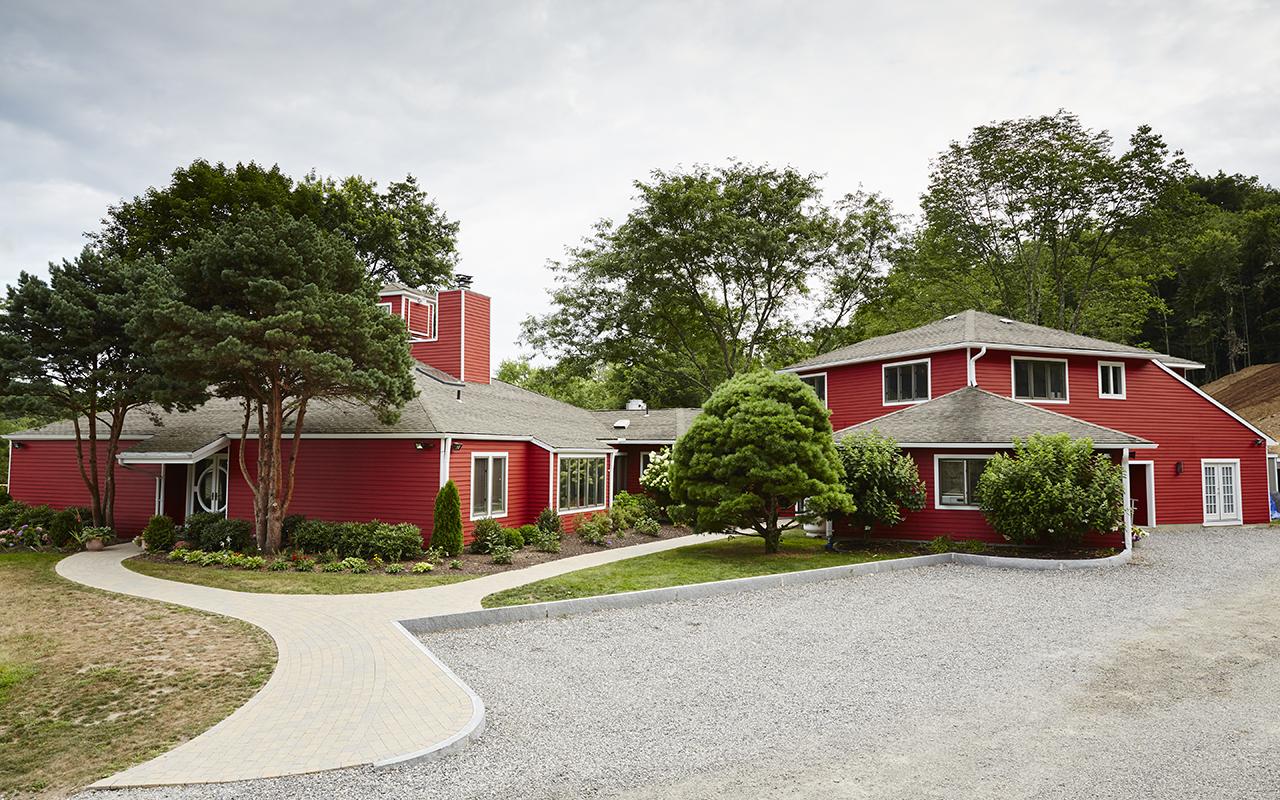
Whether you’re coming from across town or traveling from out of state, our Double Hill facility is designed to be accessible, peaceful, and supportive.
The Highest-Quality Care, Covered by Insurance
We work with most major insurance companies, both in and out of network, to optimize coverage for children and families. Through partnerships with insurers such as TRICARE and Blue Cross Blue Shield, we’re helping young people get the highest-quality care, at the minimum cost to families.
Why Choose Newport Academy
- Our approach is fully evidence-based in successful clinical models.
- We ensure ongoing family communication and involvement in our teen treatment programs, offering full transparency and regular family therapy to repair parent-child relationships.
- Treatment plans include an accredited academic component to keep kids on track while they’re in treatment.
- We use a third-party research organization to track, analyze, and publish our treatment outcomes on an annual basis.
- We’re accredited by the Joint Commission, the nation’s oldest and largest healthcare accreditation body.
Julio's Story
Downloadables:
Newport Academy Double Hill FAQs
What happens during residential treatment at Double Hill Campus?
How do I know if my teen girl needs residential treatment?
What is the difference between residential treatment and inpatient treatment?
Residential treatment generally involves a longer stay in a facility that emphasizes therapeutic interventions and skill development in a more home-like atmosphere. It tends to be less intensive than inpatient treatment, which is typically provided in a hospital for acute mental health crises. Inpatient care focuses on stabilization and may require more medical supervision, while residential treatment concentrates on ongoing therapy and holistic support.