



Family as the Solution
As kids get older, it’s not unusual for their parents to have a hard time finding ways to connect with them. Sometimes parents simply need to figure out how to communicate with pre-teens or teenagers now that their child is in a new stage of development.
But if the parent-child relationship has been disrupted by trauma, additional support may be needed, such as family counseling. At Newport Academy, family counseling is a foundational element of our clinical model, using the empirically validated Attachment-Based Family Therapy (ABFT) modality.
ABFT is designed to rebuild trust within the parent-child relationship, achieving what both parents and children want most: closer, more meaningful relationships with one another. As a result, pre-teens and teens feel safe turning to their parents for support—and that leads to improvements in mental health and reductions in suicide risk.
“My experience at Newport Academy changed my life. I learned to trust people, I learned how to get out of my own self-will and trust in a power greater than myself.”
— Dallas, Newport Academy alum
Questions?
We know that reaching out can be difficult. Our compassionate team of experts is here to help. Call us at 877-929-5105 or complete the form below.

The Power of Family Connection
Tweens and teens sometimes seem like different people once puberty hits, with new moods and habits—like staying in their room all the time, scrolling social media constantly, or getting angry at everything their parents say to them. During these years, keeping a healthy and positive parent-child relationship alive can feel challenging, if not impossible.
However, it’s vital for parents to make the effort, because ongoing parent-child communication and connection profoundly affects adolescent mental health. Research has proven that this bond is essential in supporting every aspect of a young person’s well-being.
Specifically, studies show that communication between parents and teens or pre-teens has the following effects:
- Decreases risk-taking behaviors
- Reduces adolescent substance abuse
- Decreases teen sexual activity
- Improves overall mental health
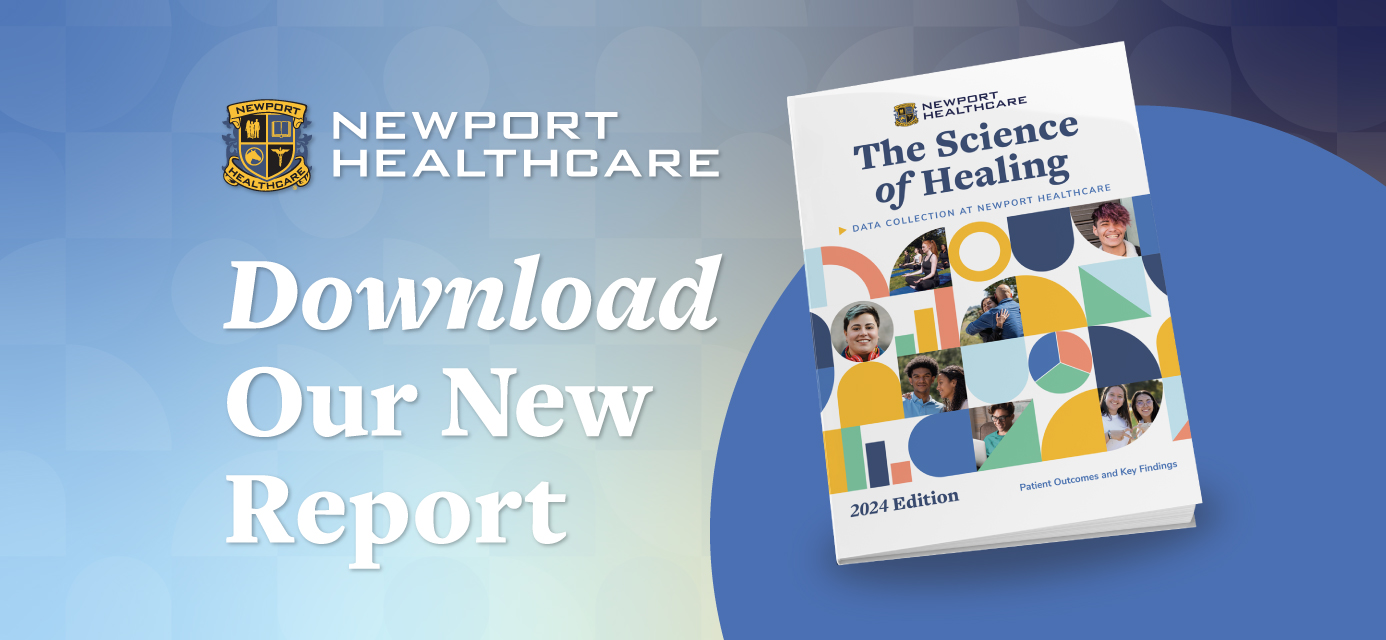
Download our outcomes report to learn how teens’ attachment to parental figures changes over five weeks of treatment.
How to Talk to Teenagers
Wondering how to get your teenager to talk to you? Figuring out how to communicate with teenagers can be tricky. Whether you want to address something significant, like mental health, or just have a friendly chat, breaking the ice with a teen can be tough. Ongoing, open communication not only supports the parent-child relationship, it also makes it easier for parents to notice potential warning signs of mental health conditions and ensure that young people receive additional support if needed.
PDF: Get tips on how to communicate with your teenage son or daughter.
Family Counseling to Strengthen the Bonds Between Parents and Teens
While learning how to talk to teenagers is important for parents, it’s not always enough. Accessing family counseling services is one of the best ways to strengthen the parent-child bond and to heal disruptions that have created a sense of distrust and resentment in the family.
At Newport Academy, we recognize that sustainable healing for teens involves treating the entire family. Within the first week of admission, parents attend an orientation, learn what to expect throughout treatment, meet their child’s care team, and begin family therapy, which continues on a weekly basis. Family counseling is key to our treatment approach.
Therapists at Newport Academy are trained in Attachment-Based Family Therapy, with supervision by ABFT co-founder Guy S. Diamond, PhD, who created the method with Gary M. Diamond and Suzanne A. Levy. Dr. Diamond has worked closely with our clinical staff to establish ABFT as the foundation of our approach to teen treatment and family counseling.
Newport Academy is the first residential treatment program to adopt Attachment-Based Family Therapy as our family therapy model and fully integrate Attachment-Based Family Therapy activities into our clinical programming.

“When a teen receives empathy and validation from their parents, they feel safe and supported to be more open and honest overall.”
-Barbara Nosal, PhD, LMFT, LADC
Newport Academy’s Chief Clinical Officer
How ABFT Works
ABFT is an evidence-based approach for treating depression and anxiety in adolescents. It seeks to identify and repair early childhood attachment ruptures in the parent/primary caregiver and child relationship. Attachment ruptures are disconnections in the secure parent/child bond, which create disruptions in the child’s emotional functioning and sense of safety and acceptance.
Attachment-Based Family Therapy grew out of various mental health modalities and family counseling techniques, including John Bowlby’s attachment theory, Structural Family Therapy, Multidimensional Family Therapy, and Emotionally Focused Therapy.
Research validates the efficacy of ABFT in:
- Significantly reducing adolescent depression and anxiety
- Decreasing feelings of hopelessness
- Reducing teen suicidal thoughts
- Strengthening parent-child bonds and parent-teenager communication

Our comprehensive approach incorporates clinical care, experiential therapy, academic support, and life skills training.
The 5 Tasks of Attachment-Based Family Therapy
In the ABFT model, a therapist or care team member guides the parent(s) and child through a series of clearly defined tasks. The five tasks of ABFT provide the framework to guide treatment planning and session goals. Each task has clear goals and strategies that together provide a road map to healing and recovery.
- Task One, Relational Reframe, shifts from the child as the problem to the family as the solution. Family strengths and relational ruptures are highlighted, while an agreement is established with each family member to work on developing a more meaningful relationship.
- Task 2, Adolescent Alliance, focuses on building the therapeutic alliance, identifying breaches of trust, accessing vulnerable emotions, and connecting mental health to underlying emotions and ruptures. Teens are supported to build emotional regulation skills to express to parent’s disappointment in a regulated and calm manner.
- Task 3, Parent Alliance, focuses on building the therapeutic alliance, understanding psychological, social, and generational forces that impact parenting, supporting parents to connect their early childhood ruptures to their emotions at the time, and relating those to their child’s experience. Parents are emotionally coached to listen and validate their child’s experience as they prepare for Task 4.
- Task 4, Repairing Attachment Ruptures, has the therapist facilitating the conversation, supporting the teen to express disappointments and vulnerable feelings, while coaching parents to validate with empathy and understanding. The teen practices emotional regulation skills, while parents practice emotionally focused parenting skills.
- Task 5, Promoting Autonomy, builds adolescent competencies as a buffer against identified stressors contributing to depression and suicidality. Cooperation emerges from the desire to maintain connection. At Newport Academy, this includes the creation of a mutually agreed-upon family agreement with age-appropriate expectations and consequences.
The ABFT Difference
Unlike other family counseling services, ABFT focuses on the family as the solution rather than the teen as the problem. Here are some of the principles of this family therapy model:
- ABFT is about relationship building. Relationships with all family members are strengthened.
- This model recognizes that parents want an improved relationship with their children, and teens want a deeper connection with their parents.
- Because teens identify communication as the #1 area in need of improvement in their family, ABFT focuses on opening up an honest and respectful dialogue.
- Focusing conversations on the relationship (rather than the child) engages the entire family.
- When parents listen to and validate their child, teens feel hope that things can change.
“ABFT is a framework that unpacks parents’ instinctual desire to protect their children and children’s instinctual desire to turn to their parents for love and protection,” says ABFT co-founder Guy Diamond, PhD.

The Lifelong Benefits of Family Counseling at Newport Academy
The benefits of family counseling go far beyond figuring out how to get your teenager to talk to you. The tools learned in therapy, including relationship and communication skills and the ability to set healthy boundaries, will stay with young people for the rest of their lives. Healing this primary relationship allows teens to build appropriate levels of independence and autonomy, while experiencing their family as a source of support and unconditional love.
If you are a parent struggling with how to communicate with your teenage daughter or son, or a mental healthcare professional looking for resources to support your clients and families, Newport Academy can help. In addition to family counseling services, our customized treatment plans for teens and families include individual therapy, group therapy, experiential modalities, a robust academic program, and life skills training in our Learning Lab.
Through our multifaceted approach, teens gain the self-knowledge, healthy coping mechanisms, and relationship skills that allow them to move forward into a thriving and connected life. Contact us today to learn more.
Take the First Step
Our compassionate staff is standing by, ready to help.
We'll answer your questions and ensure you have a path forward.