



The constant worrying, irrational fears, and self-judgment associated with teen anxiety can be paralyzing. Compassionate, evidence-based treatment helps anxious teens heal the root causes of their symptoms, so they can move from struggling to thriving.
Some amount of anxiety in childhood or adolescence is to be expected. Kids and teens are navigating a multitude of challenges and changes that come with maturing physically and mentally. But if acute anxiety symptoms arise during the teen years, or if a childhood anxiety disorder continues to get worse, it’s essential for young people to receive additional support.
Not sure if you are seeing the signs of anxiety? Take the teen anxiety quiz.
Questions?
We know that reaching out can be difficult. Our compassionate team of experts is here to help. Call us at 877-929-5105 or complete the form below.
Table of Contents
Mental health is a crucial component of a child’s overall well-being, shaping how they think, feel, and interact with the world around them. Addressing anxiety disorders in children and adolescents is especially important, as these mental health conditions can have a profound impact on daily life, social relationships, and academic performance.
According to the Mental Health Services Administration, nearly 1 in 12 children and 1 in 4 adolescents are affected by anxiety disorders, making them one of the most common mental health challenges among young people.
For parents, caregivers, and mental health professionals, understanding the signs, symptoms, and available treatment options for anxiety disorders in children is essential. Early recognition and intervention can make a significant difference in helping children and teens manage anxiety and thrive both in and out of the classroom.
How to Help Teens with Anxiety
One of the most important ways to help teens with anxiety is to make sure they know they are not alone. In the wake of pandemic-related isolation and remote schooling, a full 40 percent of US teens report anxiety symptoms. Globally, 1 in 5 adolescents experiences anxiety. Many teens feel anxious and may feel overwhelmed by academic, social, or family pressures. Stressful situations, such as transitions or family changes, can trigger or worsen anxiety. Traumatic experiences, academic pressure, social media overuse, and troubling societal issues all contribute to the high rates of teen anxiety.
Anxious children and teens need to know that anxiety is common, that help is available, and that they won’t have to suffer with anxiety forever. Teens find different ways to cope with their anxieties, including seeking support from friends, family, or professionals, and using self help strategies. Therefore, parents need to have ongoing, open communication with their kids about their anxious feelings and the lifestyle and treatment options available. For example, everyday things that help teen anxiety include:

Physical activity

Yoga and meditation

Creative expression

Breaks from technology

Getting enough sleep

Time with friends and family
Assisting your teen to find support and read about others with anxiety disorders can also help them to feel validated and seen. Understanding that this is not their fault and that there is hope for a better future may give them courage and motivate them to engage in treatment for their anxiety.
Anxiety Disorders
Parent-child communication and self-care strategies are important, but they may not be enough to address the needs of teens with anxiety. If adolescents experience excessive anxiety or severe anxiety that interferes with their functioning, a professional evaluation is warranted. If adolescents’ mood, functioning, and/or physical health are affected by anxiety on an ongoing basis, or if symptoms are severe, the next step is an evaluation by a healthcare professional to determine whether a teen is suffering from one of these types of anxiety:
- Generalized anxiety disorder (GAD)
- Panic attacks, also known as panic disorder
- Social anxiety
- Obsessive Compulsive Disorder (OCD)
- Anxiety related to school
- Specific phobias
- Separation anxiety
As part of the evaluation, a physical examination is important to rule out underlying medical conditions that may mimic anxiety symptoms. Anxiety tends to run in families, indicating a genetic component to its development.
If you are seeing any of the signs and symptoms of anxiety in your teenager, an assessment with a provider should also include a discussion of treatment options. Weekly therapy can be a progressive step in helping teens with anxiety. When anxiety has become more acute and is interfering with a teen’s daily life, outpatient or residential care may be the best and most effective choice. Pediatric anxiety disorders require careful assessment and individualized treatment.
Benefits of Teen Anxiety Treatment
Tools for managing anxiety
In the short term, clients at anxiety treatment centers for teenagers learn tools to help them recognize anxiety triggers and practice emotional regulation. Moreover, they learn relaxation techniques to address both mental and physical symptoms. And they practice techniques to reframe negative and anxious thoughts, so they can focus on the reality of a situation rather than the worst possible outcome. These healthy coping mechanisms can make a positive difference right away for teens with anxiety, significantly easing their emotional pain and discomfort.
Connection to end isolation
Isolation and loneliness are two of the biggest factors contributing to teen stress and mental health issues like anxiety. Time in residential or outpatient treatment allows adolescents to benefit from peer support and community, and to practice relationship-building skills that will help them create stronger connections as they mature.
Healing underlying trauma
Clients at a teen anxiety treatment center typically receive individual, group, and family therapy to address underlying issues related to teen anxiety, such as childhood trauma, acute trauma, and disruptions in the parent-child connection. Processing and healing relational trauma supports teens to move forward into the next stage of life with greater self-understanding and a stronger bond with their parents or caregivers.
Recovery from co-occurring disorders
Teenage anxiety treatment also focuses on helping adolescents heal from any co-occurring issues, like substance use disorder or eating disorders, that they may have developed in order to cope with anxiety. Encouraging teens to engage in hobbies can help to distract them from anxiety and build confidence.
Ultimately, long-term healing from teen anxiety involves a combination of medication for teenage anxiety and treatment approaches designed to help young people build self-compassion, self-regulation, and authentic connections. Each teen may need a different type of therapy or treatment for reducing anxiety symptoms and underlying causes.
You’re Not Alone. Here is what Real People Have to Say About Our Treatment.

“
“My daughter was recently in the residential program at Newport Academy. It was absolutely amazing what they did for her and our entire family.”

—Marcia B.
“
“Simply, the best. Serenity, healing and caring by professionals in a beautiful urban environment.”

—James S
“
“I am beyond grateful that my daughter had the opportunity to take back her power because of her stay at Newport.”

Dorina L., parent
“
“Newport saved my life. I was finally able to free my mind and get to where I wanted to be—feeling better and feeling happier with myself.”

—Emily C., alum
Teen Anxiety Treatment at Newport Academy
Newport Academy’s specialized treatment for teens with anxiety incorporates a wide range of modalities to support teens in achieving long-term, sustainable healing. Each client receives a tailored treatment plan for adolescent anxiety, designed by a team of medical and clinical experts in response to the teen’s and family’s specific needs and history.
Our Clinical Model
Newport’s differentiated clinical model addresses the underlying trauma and attachment wounds catalyzing mental and behavioral health issues such as anxiety in adolescents. The foundation of our programming is our team of compassionate behavioral healthcare professionals, with extensive experience and understanding of how to help teens with anxiety—including psychiatrists, psychologists, multidisciplinary therapists, nurse practitioners, registered dietitians, teachers, and more, with a wide range of degrees and experience. Our clinical model also supports healthy child development by promoting emotional and psychological growth throughout adolescence.
Furthermore, our approach to teen anxiety treatment views family as central to the healing process. We are the only treatment program to utilize the groundbreaking Attachment-Based Family Therapy (ABFT) methodology, and to receive ongoing training and consultation from the co-founders of this scientifically validated therapeutic approach. For families seeking additional information or support, organizations such as the Anxiety Disorders Association offer valuable resources and guidance.
Our Therapies
Every teen is unique, and thus may respond more to certain types of therapy than they do to others. Some clients find it easier to express themselves through art and music rather than verbally, while others are drawn to outdoor Adventure Therapy or equine therapy.
At Newport Academy, we use time-tested clinical modalities, such as Cognitive Behavioral Therapy, proven to be effective in addressing anxiety and co-occurring issues such as substance abuse and disordered eating. Therapy also addresses factors that contribute to an increased risk of anxiety in teens, such as prolonged social media use and other environmental stressors. In addition, clients participate in somatic and experiential therapies that address teen anxiety disorders by activating the parasympathetic or “rest and digest” nervous system. Incorporating physical activity is also emphasized as a key component in reducing anxiety, improving sleep, and supporting overall mental well-being.
Newport’s teenage anxiety treatment program utilizes a variety of evidence-based clinical, experiential, and academic modalities. Services may vary depending on treatment location.
Clinical Modalities
- Cognitive Behavioral Therapy, considered the most effective modality for teen anxiety
- Dialectical Behavioral Therapy
- Family therapy using Attachment-Based Family Therapy
- Emotional Freedom Technique
- EMDR (Eye Movement Desensitization and Reprocessing)
- Acceptance and Commitment Therapy
Experiential Modalities
- Yoga and mindfulness exercises
- Music and art therapy
- Mixed martial arts and fitness activities
- Equine-Assisted Therapy
- Adventure Therapy
- Culinary and horticulture therapy
- Healthy device management
- Community service
Levels of Care Offered
Newport Academy is a different type of teen anxiety rehab. We provide a full continuum of care, including adolescent residential treatment centers and a full suite of outpatient programming, with Partial Hospitalization Programs (PHP), Intensive Outpatient Programs (IOP), outpatient services, telehealth, and alumni programming. Teens in our residential programs and PHP spend time in the classroom each day, in addition to participating in individual, family, group, and experiential therapy. Helping teens with anxiety may take a variety of modalities or levels of care to properly address their unique situation.
Our locations in beautiful natural settings feature on-site gardens, art and music studios, gyms, peaceful spaces for yoga and meditation, and academic classrooms and Learning Labs outfitted with the latest technology. Because trauma-informed care extends to every aspect of treatment, all of our program locations provide safe, comfortable, home-like environments where teens can relax, open up about their mental health struggles, and bond with peers and mentors.
Teen Residential Treatment
Research finds that residential care provides the support, structure, and caring community that teens need to heal from anxiety. Each adolescent’s individualized residential treatment plan incorporates clinical, experiential, and academic elements to address the underlying causes of teen anxiety.

Partial Hospitalization Program
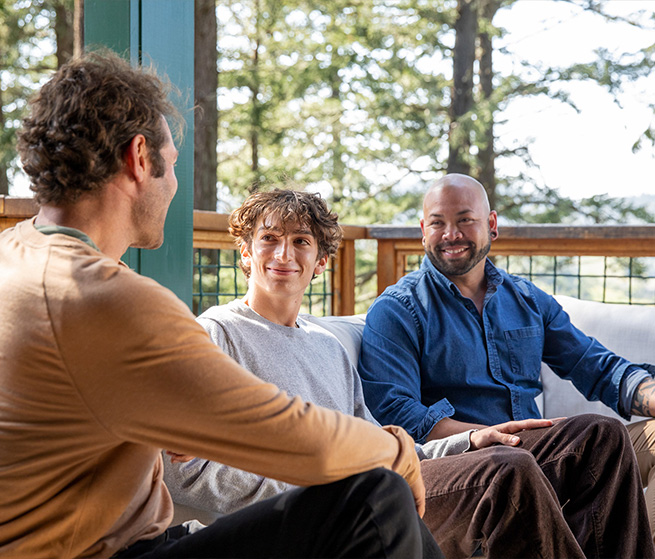
Intensive Outpatient Program
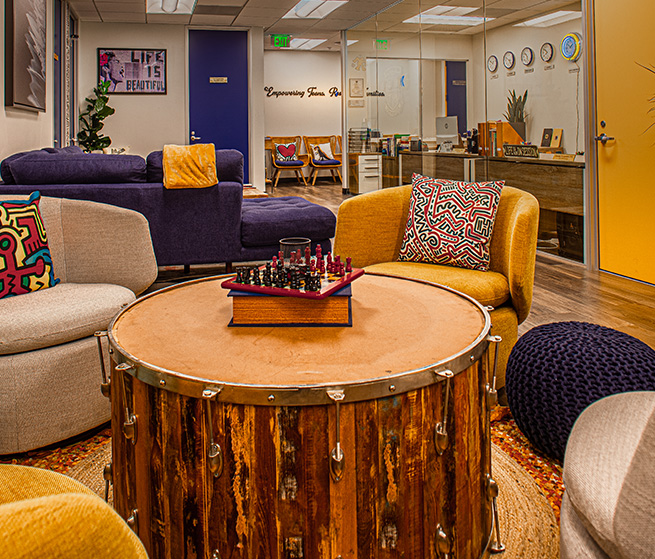
Teen Residential
Teen Residential Treatment
Research finds that residential care provides the support, structure, and caring community that teens need to heal from anxiety. Each adolescent’s individualized residential treatment plan incorporates clinical, experiential, and academic elements to address the underlying causes of teen anxiety.
Partial Hospitalization
Partial Hospitalization Program
Intensive Outpatient
Intensive Outpatient Program
Our Accreditations
Newport holds the Gold Seal of Approval® from The Joint Commission, the nation’s oldest and largest healthcare accrediting body, and is affiliated with a wide range of national organizations and certification bodies.





Articles on Teen Anxiety
Our extensive library of resources for parents and professionals provides the latest research on anxiety and other teen mental health issues, as well as tips and insight from our thought leaders. Learn more about the multiple facets of anxiety and how to support teens who are struggling.

Disordered Eating in Teens: A Guide for Parents

How to Recognize Mental Health Disorders in Children

Understanding Attention-Seeking Behavior in Adolescents
Take the First Step
Our compassionate staff is standing by, ready to help.
We'll answer your questions and ensure you have a path forward.